- September 2026 carries a special foreigner rate: a two-day, one-night templestay for 30,000 won at 19 temples nationwide, including Jogyesa and Hwagyesa in Seoul, Naksansa and Woljeongsa in Gangwon, and Tongdosa and Haeinsa in the south. Book first-come on the English site, eng.templestay.com.
- Regular prices run 20,000–30,000 won for the day-only Temple Life and 50,000–100,000 won for an overnight. About 55,000 foreigners took part in 2025, and it has settled in as the digital-detox trip.
- In Seoul, choose Jogyesa in Jongno (five minutes from the subway), Bongeunsa amid the towers of Gangnam, or Jingwansa in Eunpyeong, known for temple food. For autumn color, go on to Woljeongsa and Naksansa in Gangwon.
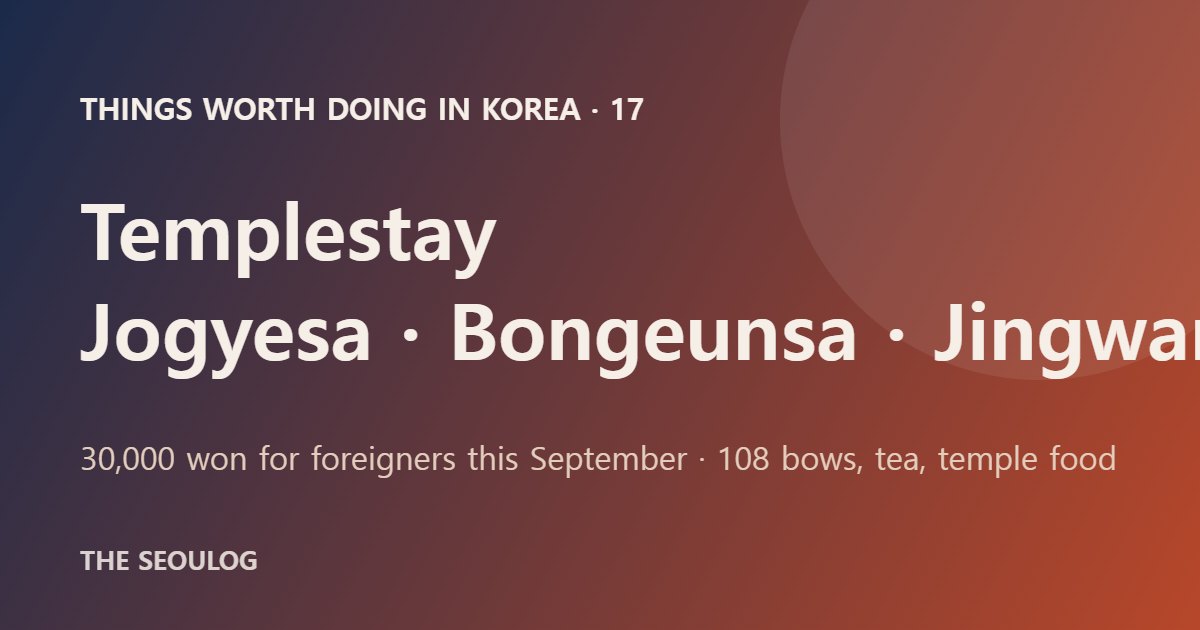
Who this is for
- Anyone who’d like to hand in the phone and spend one quiet night
- People wondering whether the September 30,000-won slots still have space
- Anyone who’d rather try 108 bows and a tea ceremony in a two- to three-hour day program
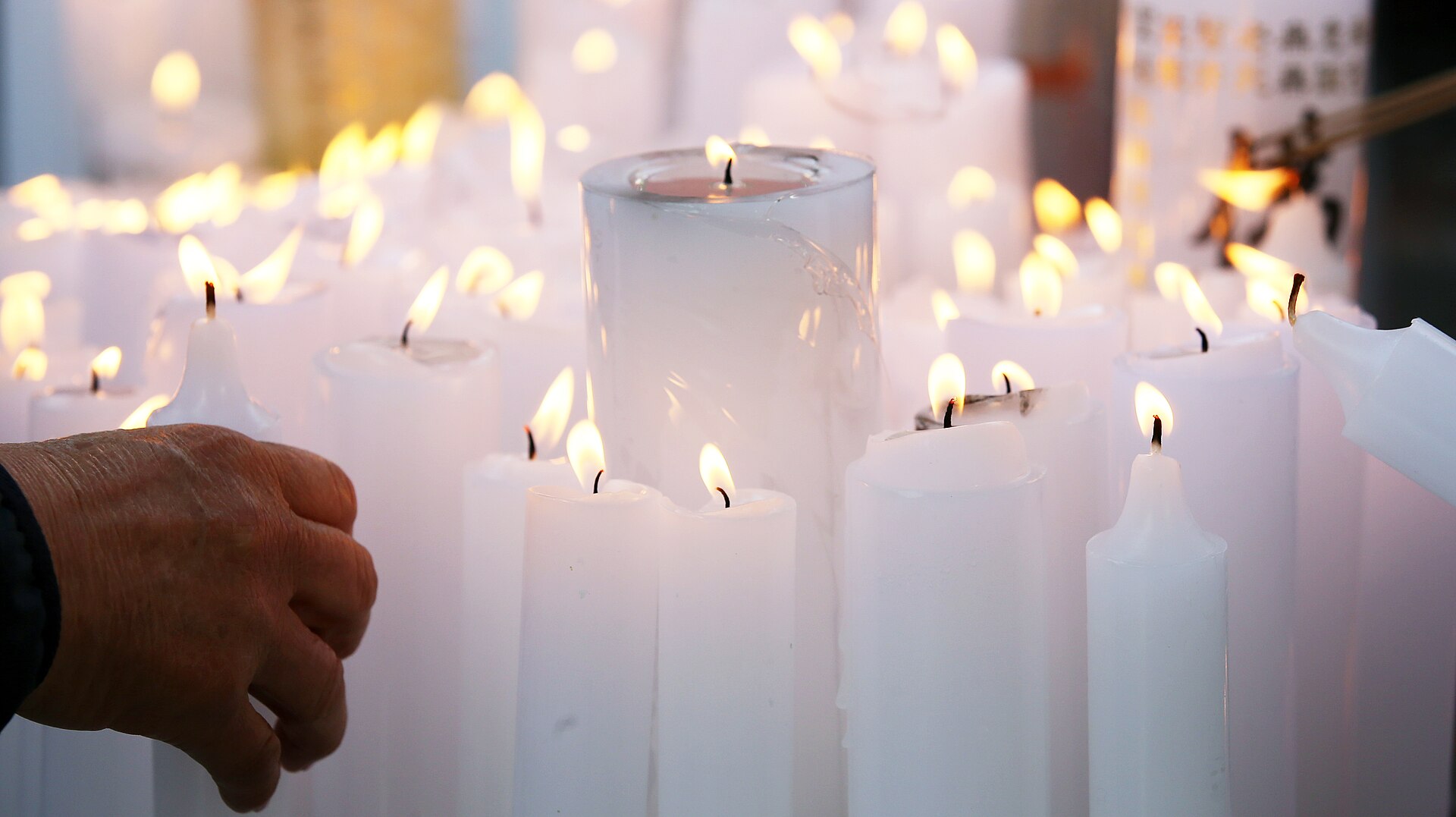
At four in the morning the wooden moktak wakes you. You do 108 bows in the dharma hall, eat temple food without a sound, and drink tea with a monk. Templestay began as a fix for the hotel shortage of the 2002 World Cup and has become the digital-detox trip foreigners choose: about 55,000 took part in 2025.
In September 2026 the door gets cheaper. The Cultural Corps of Korean Buddhism is offering foreign tourists and foreign residents a two-day, one-night templestay for 30,000 won at 19 temples—Jogyesa and Hwagyesa in Seoul, Naksansa and Woljeongsa in Gangwon, Tongdosa and Haeinsa in South Gyeongsang among them—with bookings opening first-come on the English site on August 12.
“So what do you actually do, and is it really 4 a.m.?” This guide covers what happens on a templestay, prices and booking, three Seoul temples and the autumn ones, and what to bring and how to behave. Let’s get into it.
Your Legs Ache the Next Day? What a Templestay Is—108 Bows, Tea, Temple Food, and Four in the Morning
✔ Sleeping at a temple and tracing a monk’s day
On arrival you change into the grey temple uniform and get a tour of the grounds. The evening service brings the moktak and the bell; at night you talk with a monk over tea. The next day starts with the service around four, then 108 bows, seated meditation, and the formal temple meal, barugongyang: four bowls, not a grain left, and at the end you rinse the bowls with hot water and drink it.
Programs come in two kinds. The experience type runs through all of the above; the rest type leaves you free apart from services and meals, to read in the grounds and walk the hills. Short on time? The day-only Temple Life covers the tea ceremony, 108 bows and prayer-bead making in two to three hours.
| Temple | Location · station | Best for | Programs | Price guide |
|---|---|---|---|---|
| Jogyesa (Jongno) | Jonggak (Line 1) or Anguk (Line 3), 5-min walk | First time · short on time · downtown | Day-only Temple Life and overnight. In the September 30,000-won program | Day 20,000–30,000; overnight 50,000–100,000 won |
| Bongeunsa (Gangnam) | Bongeunsa Station (Line 9), exit 1 | Staying in Gangnam · photos | Day-only Temple Life (tea ceremony, 108 bows, prayer beads) | Day about 20,000 won |
| Jingwansa (Eunpyeong) | Bus from Gupabal Station (Line 3) | Temple food · quiet | Overnight with temple-food experience, at the foot of Bukhansan | Overnight 50,000–100,000 won |
| Hwagyesa (Gangbuk) | Bus from Suyu Station (Line 4) | Meditation in English · international zen center | Overnight. In the September 30,000-won program | Overnight 50,000–100,000 won |
| Woljeongsa (Pyeongchang, Gangwon) | Bus from Jinbu KTX station | Autumn color · fir forest · the full experience | Overnight with walking meditation in the fir forest. In the September program | Overnight 50,000–100,000 won |
✔ This isn’t the only answer. “Hanbok at Seoul’s Palaces” is the other option worth weighing.
First-Come on eng.templestay.com! September’s 30,000 Won, and Regular Prices and Booking
✔ From September 1 to 30, 2026, it’s 30,000 won at 19 temples
Foreign tourists and foreign residents can take a two-day, one-night templestay at temples including Jogyesa and Hwagyesa in Seoul, Naksansa and Woljeongsa in Gangwon and Tongdosa and Haeinsa in South Gyeongsang. Bookings opened first-come on the English site (eng.templestay.com) at 13:00 on August 12. Spaces sometimes free up even late in the month, so check the site once your dates are set.
Regular prices are 20,000–30,000 won for the day-only Temple Life and 50,000–100,000 won for an overnight, covering lodging, meals and the uniform. Book on the official site by choosing the temple, program and date and paying by card. The English site shows which temples offer English, so for a first visit pick one marked “English available.”
Short on Time? Jogyesa! Three Seoul Temples, and the Ones for Autumn Color
✔ First time and short on time: Jogyesa
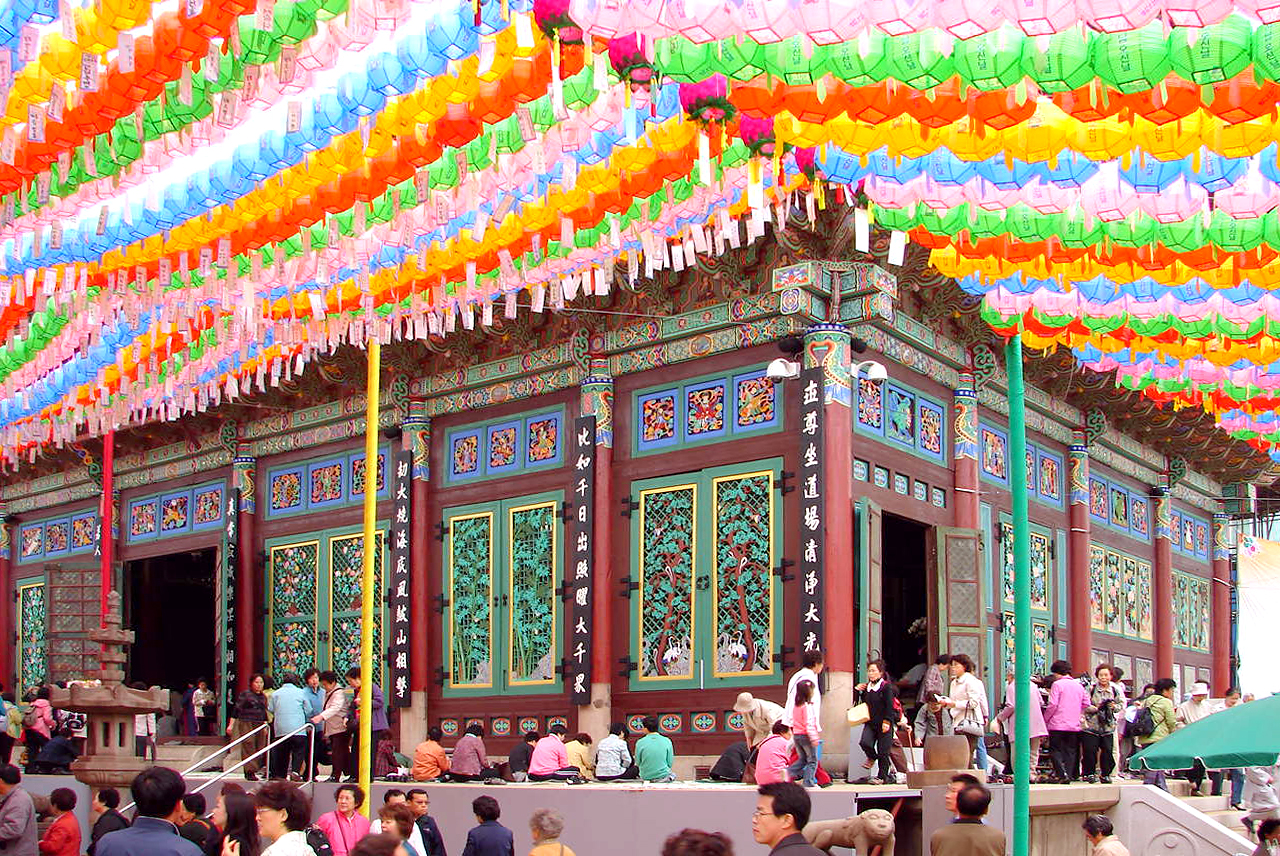
It sits in the middle of Jongno, five minutes from Jonggak and Anguk stations, as the head temple of Korean Buddhism. It runs both the day-only Temple Life and overnights and is in the September program, and Insadong and Gyeongbokgung are within walking distance.
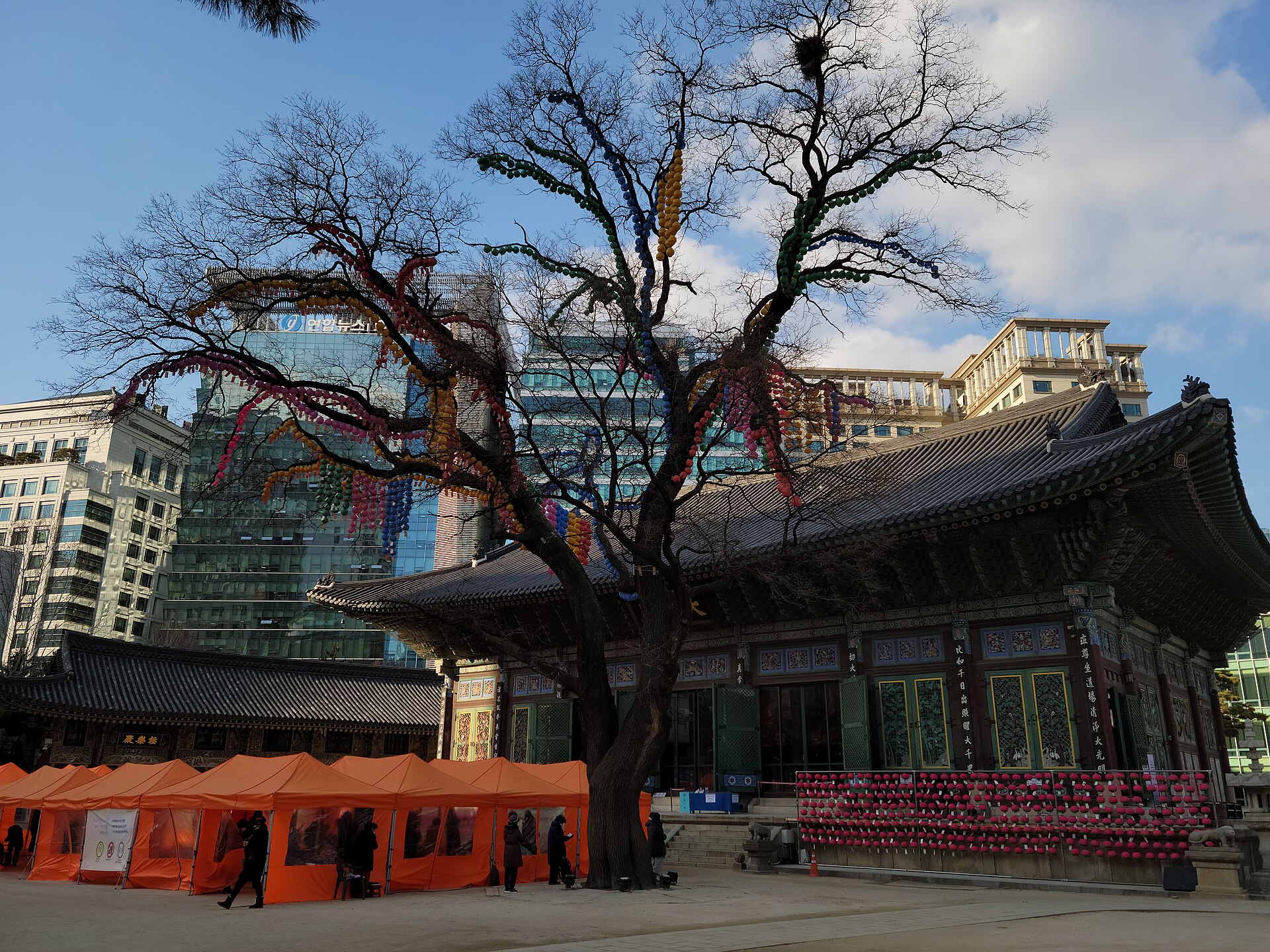
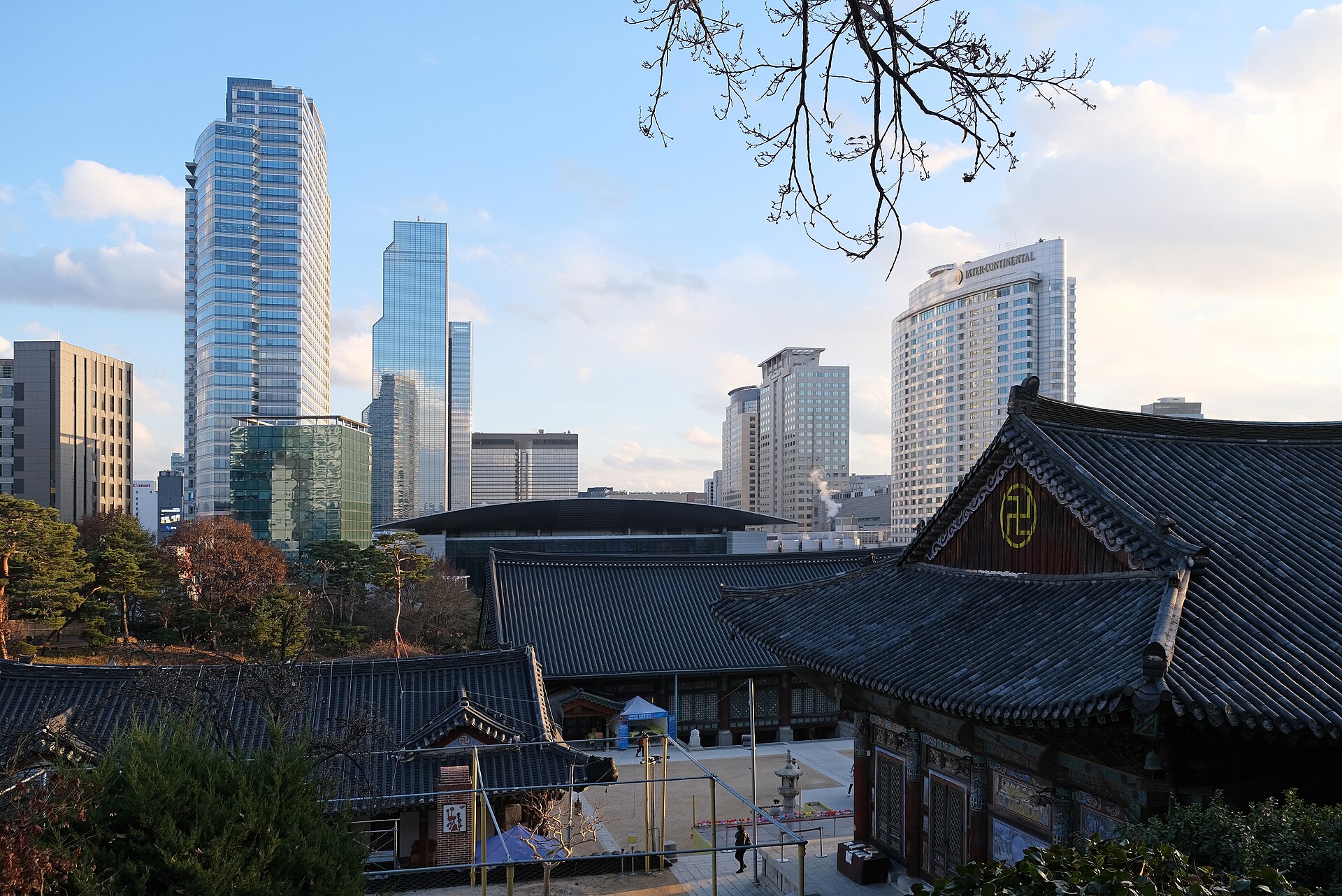
Bongeunsa stands among Gangnam’s towers, straight out of Bongeunsa Station on Line 9; its day-only Temple Life packs the tea ceremony, 108 bows and bead-making into two to three hours and pairs with COEX. Jingwansa, at the foot of Bukhansan in Eunpyeong, is known for temple food—the choice for quiet, with a cooking experience in the overnight. Hwagyesa, by bus from Suyu Station, has an international zen center and teaches meditation in English.
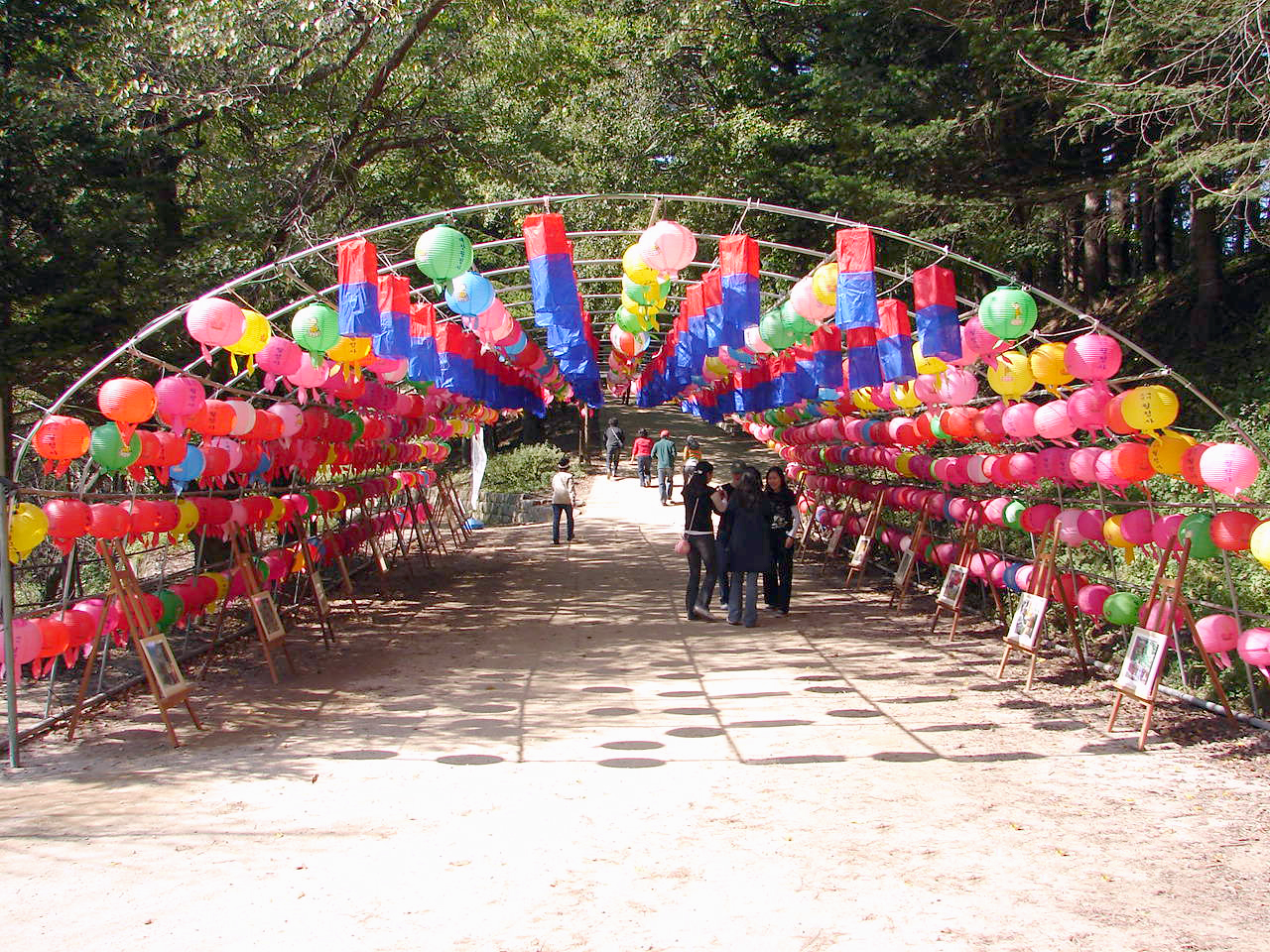
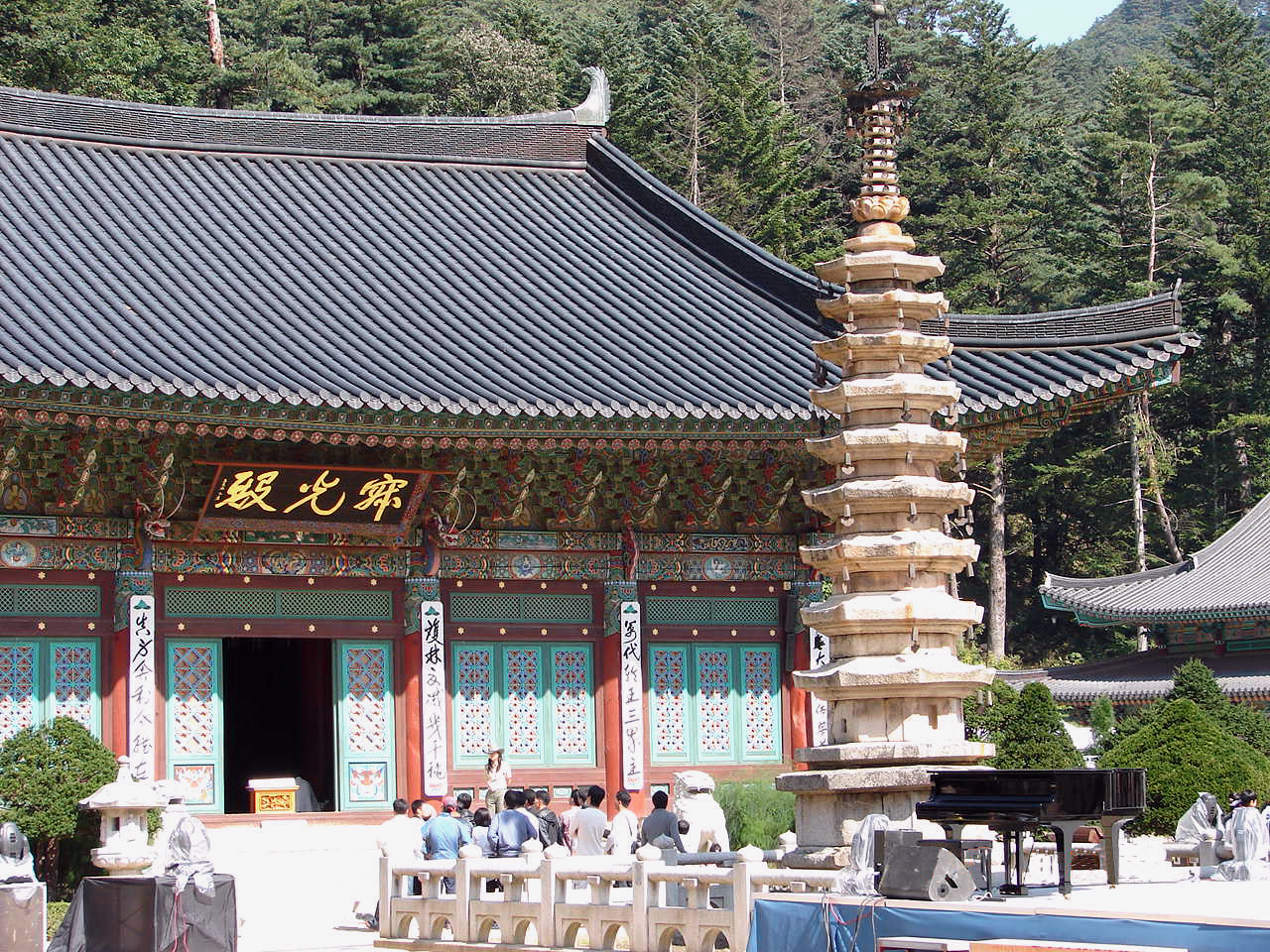
For autumn, go to Gangwon. Woljeongsa in Pyeongchang has a fir-forest path of about a kilometer from the gate, turning color in mid-October—about ninety minutes by KTX to Jinbu, then a bus. Naksansa in Yangyang faces the sea and holds a sunrise service. Both are in the September program and make an easy overnight from Seoul.
Three Points of Etiquette Are Enough! What to Bring and How to Behave—Socks, Warmth, Your Phone
✔ You need little
The uniform is lent; most temples ask you to bring toiletries and a towel. Shoes come off in the dharma hall, so bring socks, and from October the dawn service is cold, so pack a light layer. Some temples hold your phone and some let you keep it, but either way it stays off during services and meals. Photos in the grounds are usually fine; ask before shooting inside the hall or photographing monks.
Three points of etiquette are enough: palms together and three bows in the hall, palms together and a nod when you meet a monk, and meals eaten in silence with nothing left. Do the 108 bows at your own pace and sit out if you need to—the next day’s sore legs are the same for Koreans.
On the map — recommended places and Google ratings
Ratings and review counts were checked on Google Maps on September 4, 2026. They change, so tap through for the latest before you go.
- Jogyesa (Jongno) — Google ★4.5 (8,181 reviews)
- Bongeunsa (Gangnam) — Google ★4.6 (8,709 reviews)
- Jingwansa (Eunpyeong) — Google ★4.5 (3,271 reviews)
- Hwagyesa (Gangbuk) — Google ★4.4 (878 reviews)
- Woljeongsa (Pyeongchang) — Google ★4.4 (2,904 reviews)
Series: Things worth doing in Korea
1 K-glasses tour · 2 K-scrub and head spa · 3 Personal color and K-makeup · 4 PC bang and esports · 5 Market street food · 6 Myeongdong K-pharmacy · 7 K-hiking by subway · 8 Care-cation · 9 Jjimjilbang full course · 10 K-dermatology · 11 KBO baseball night · 12 Hanbok and palace nights · 13 K-hair salon · 14 Saju and tarot café · 15 Daiso and convenience store · 16 Han River evening · 17 Templestay · 18 Kimjang · 19 DMZ tour · 20 LASIK and SMILE · 21 Escape rooms · 22 Screen golf · 23 Seongsu pop-ups · 24 Self photo studios · 25 Running in Seoul · 26 KBL Basketball · 27 Coin karaoke · 28 K-pop dance class · 29 Korean nails · 30 Ski day trip · 31 Manhwa cafe · 32 Korean medicine clinic
FAQ
Can I still book the September 30,000-won program?
It opened first-come on August 12 and popular temples are full, but spaces do free up. Check temples and dates on the English site, eng.templestay.com. The 19 temples include Jogyesa, Hwagyesa, Naksansa, Woljeongsa, Tongdosa and Haeinsa.
Is it available in English?
The official site marks which temples offer English. Jogyesa, Bongeunsa and Hwagyesa are used to foreign guests.
Can I join if I am not Buddhist?
Yes. Templestay is open regardless of faith, and joining the services is not compulsory. Etiquette is explained on arrival.
What time do I get up on the overnight?
The dawn service is around 4 a.m., with lights out around 9 the night before. On a rest-type program you are free apart from services.
Can I do it in a day?
Yes. The day-only Temple Life takes two to three hours and covers the tea ceremony, 108 bows and prayer-bead making. Jogyesa and Bongeunsa are convenient, at 20,000–30,000 won.
- 불교닷컴: 외국인 3만원 템플스테이(2026년 9월, 19개 사찰)
- 아시아경제: 1박 3만원, 외국인 몰리는 템플스테이(2026.7)
- 템플스테이 공식(영문 예약)
- 조계사 템플스테이
- 진관사 템플스테이
- 나스미디어: K-웰니스 여행(템플스테이 외국인 5.5만)
How this was checked: official listings for each shop or facility and Google Maps ratings were verified online (2026-09-05). The author lives in Seoul and folds in what was seen on the ground; the piece is updated when things change.