Chuseok Trains in Korea 2026 — Travel After the Rush
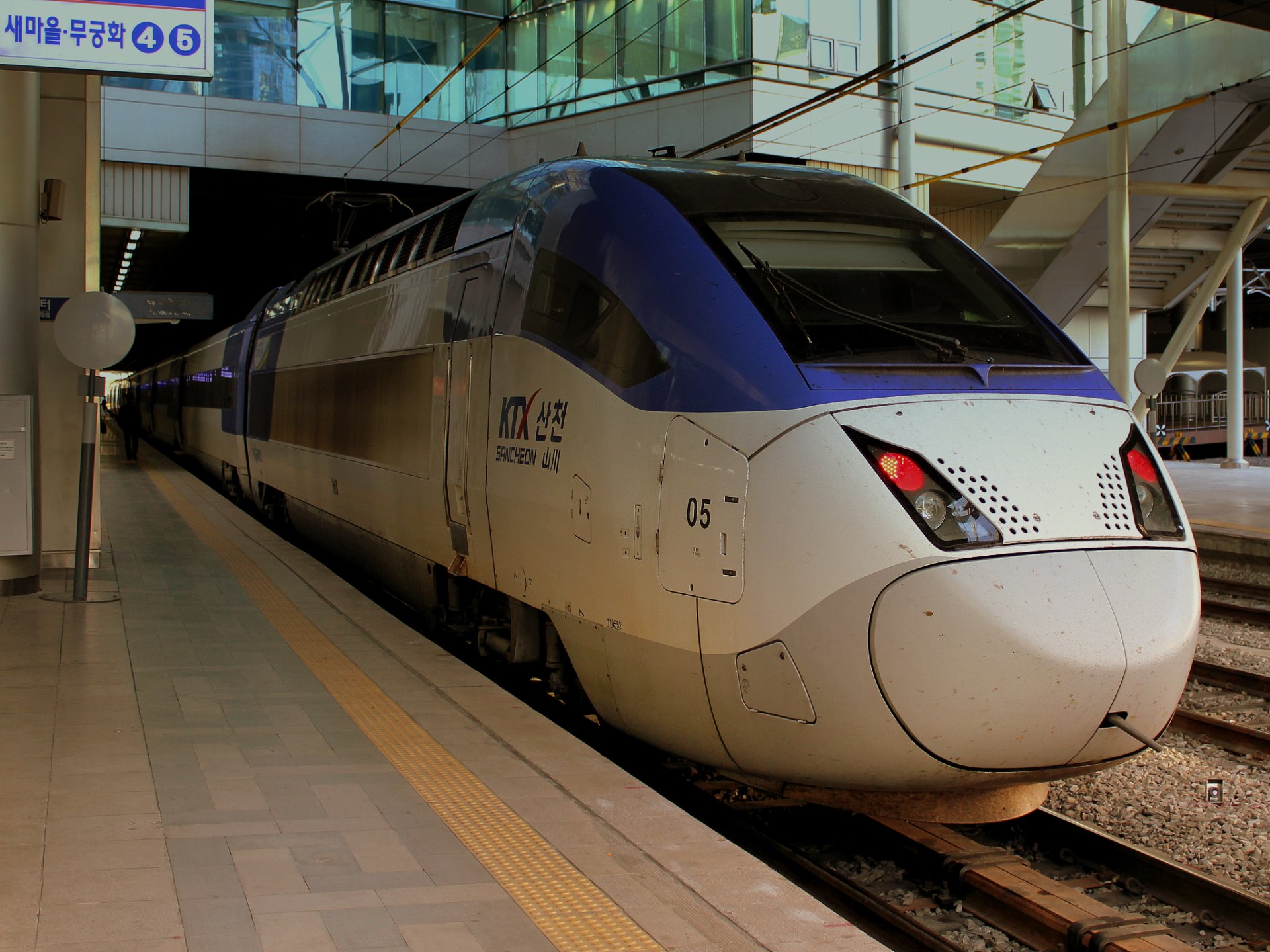
The Chuseok KTX scramble is closed to foreigners at the pre-sale stage — but leftover seats, cancellation waves, buses and contra-flow travel all remain.
Getting around Seoul and Korea: subway, buses, taxis, KTX and airport transfers — cards, apps, exit numbers and the etiquette locals expect.
The Chuseok KTX scramble is closed to foreigners at the pre-sale stage — but leftover seats, cancellation waves, buses and contra-flow travel all remain.
Since July 2025 an iPhone can be a T-money card. But foreign cards hit two walls: Wallet issuing and in-phone top-ups.
The short version: install Kakao T and you are covered. Four steps. Install and switch the language to English. Everything is decided at booking.
Station lockers start at ₩2,000, hotels usually store bags free, and oversized cases go to staffed counters.
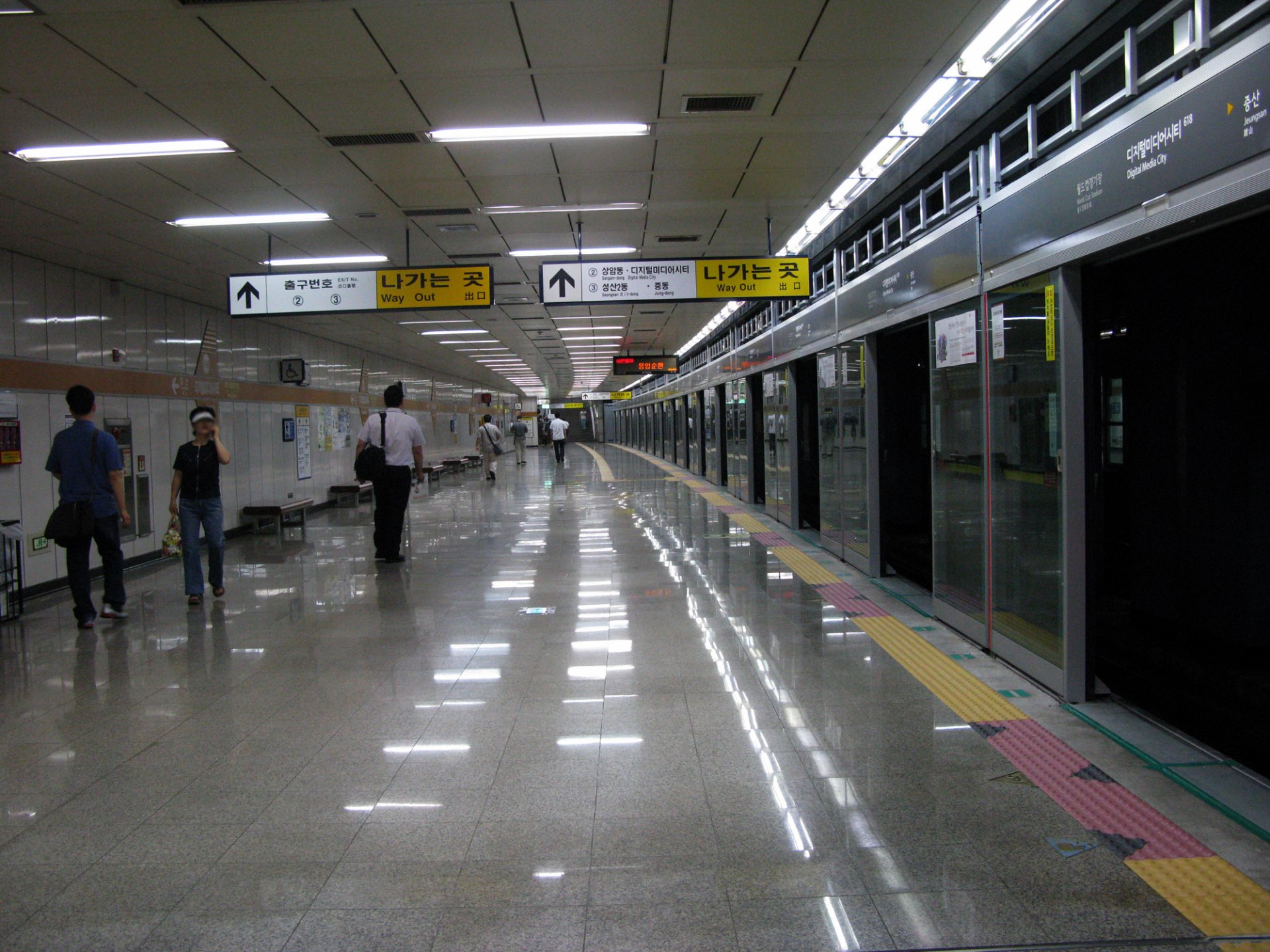
Tap your T-money card (or WOWPASS with transit function) on the turnstile going in and again going out.
Naver Map in English keeps failing your searches. Two settings to change and the fix that works every time: paste the Korean place name instead.
T-money vs WOWPASS vs Climate Card for Seoul in 2026: what each costs, where it works, and which to buy for a short stay or a week of unlimited rides.
The all-stop AREX runs about ₩5,000, the express ₩13,000, the airport bus ₩17,000–18,000, and a flat-rate taxi ₩70,000–95,000.
Korea restricts the export of high-precision map data, so Google Maps can’t give walking or driving directions.