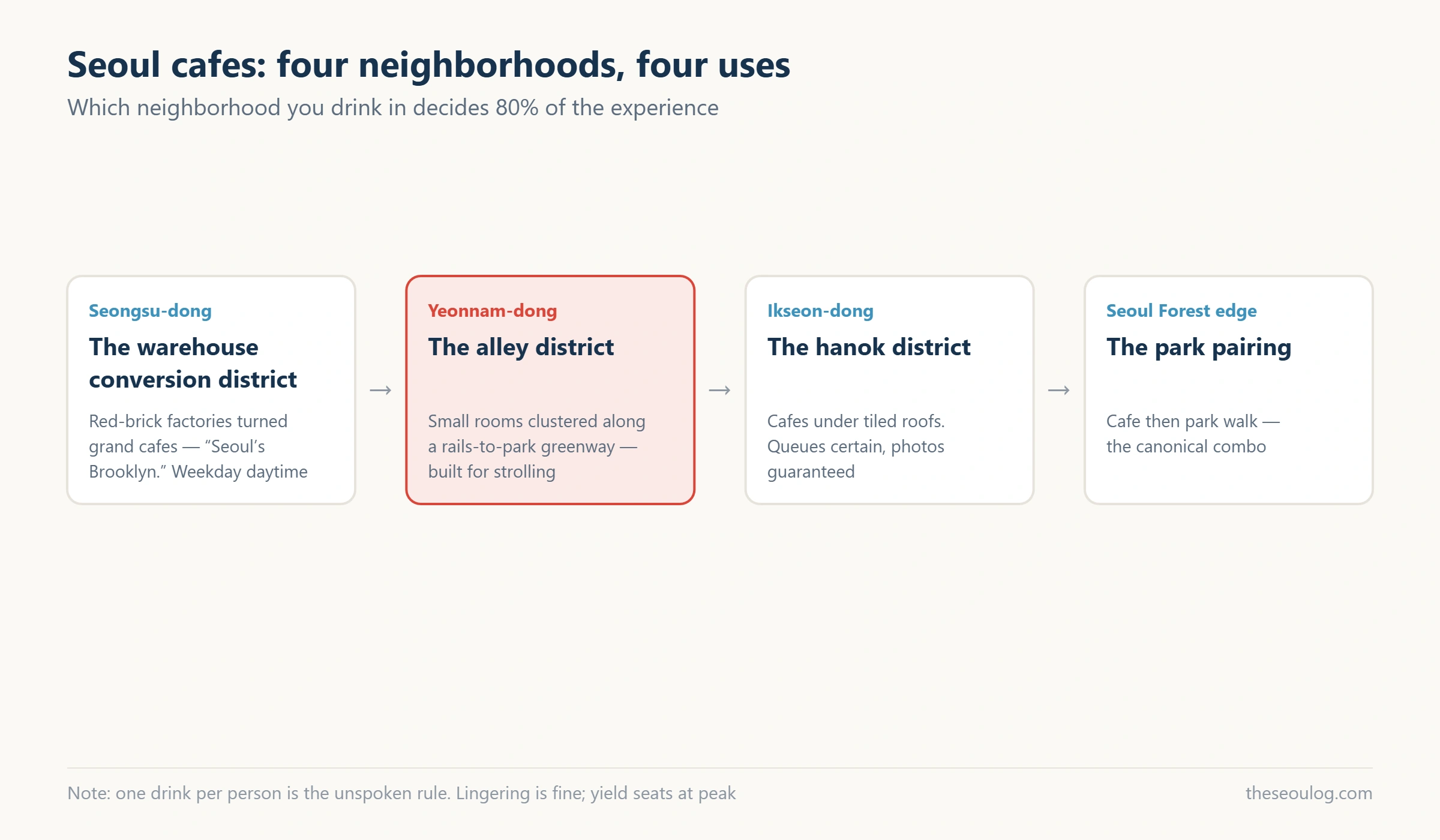
- Nicknamed “Seoul’s Brooklyn,” Seongsu concentrates grand cafes built straight into the red brick of …
- Yeonnam-dong is the quiet lattice of lanes behind Hongdae’s noise, strung along the Gyeongui Line Fo…
- Three rules make you fluent.
Who this is for
- Anyone whose Seoul list says “go to a nice cafe” with no idea which one
- People who’ve heard “Seongsu” and “Ikseon” and can’t tell them apart
- Anyone who wants a laptop afternoon without breaking a local rule
Seoul’s cafes overflow the definition of “a place that serves coffee.” In a city with one of the highest cafe densities on earth, the cafe is a study, a living room, and an engine that regenerates whole neighborhoods. Here’s the thing: in Seoul, you pick the neighborhood first—the cafe second.
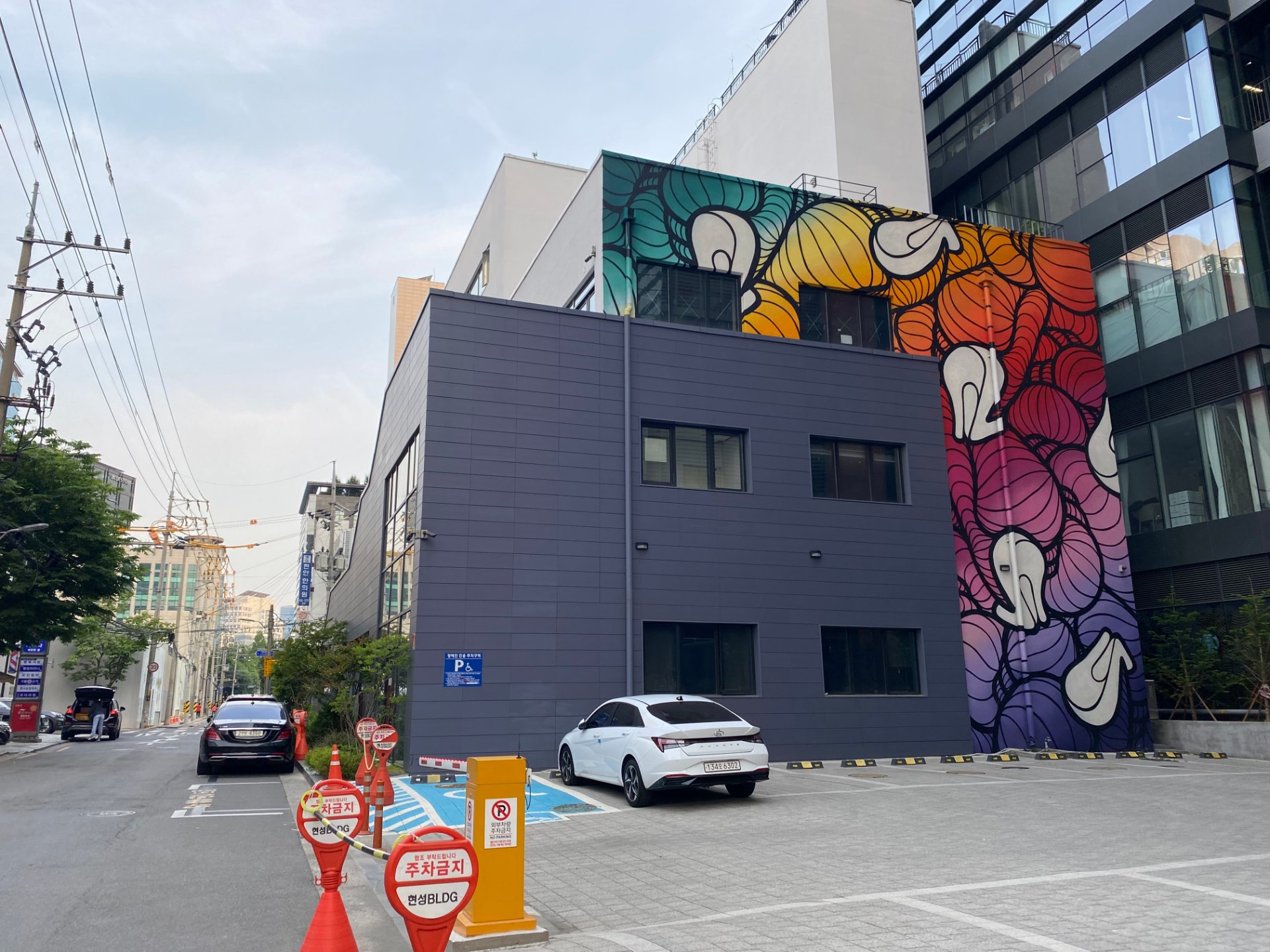
So the traveler’s question isn’t which cup—it’s which neighborhood to drink in. A warehouse district converted wholesale into cafes. Alleys of one-house rooms. Coffee under hanok roof tiles. The same americano becomes three different experiences.
“Fine, but which one is mine?” Seoulog lines up the cafe districts, what each is for, and the unspoken rules of Korean cafe life. Let’s get into it.
Contents
1. Seongsu-dong: the factory-conversion district
2. Yeonnam and Ikseon: two grammars of the alley
3. The unspoken rules
4. October is the cafe district season
5. Frequently asked questions
1. Seoul’s Brooklyn? Seongsu-dong Is the Factory-Conversion District
✔ Cafe-as-architecture has its capital here
Nicknamed “Seoul’s Brooklyn,” Seongsu concentrates grand cafes built straight into the red brick of former shoe factories and warehouses—high ceilings, bare beams, factory doors. It doubles as Korea’s pop-up-store mecca, and a weekday afternoon here shows Seoul’s present tense at its most concentrated.
The core sits between Seongsu and Ttukseom stations — walkable to Seoul Forest and the Han River at Ttukseom for a complete afternoon.
| Area | Vibe | Pick it when |
|---|---|---|
| Bukchon & Seochon | Hanok quiet | Pairing with the palaces |
| Seongsu | Warehouse-chic, newest | You want the trend |
| Yeonnam | Backstreet residential | A slow walking day |
| Ikseon-dong | Dense hanok lanes | Even rainy days look good |
✔ Worth reading first. Go through “Korean Cafe Culture—the Unwritten Rules” and the calls ahead get a lot easier.
2. Walk With No Destination! Yeonnam and Ikseon, Two Grammars of the Alley
✔ The alley itself is the destination
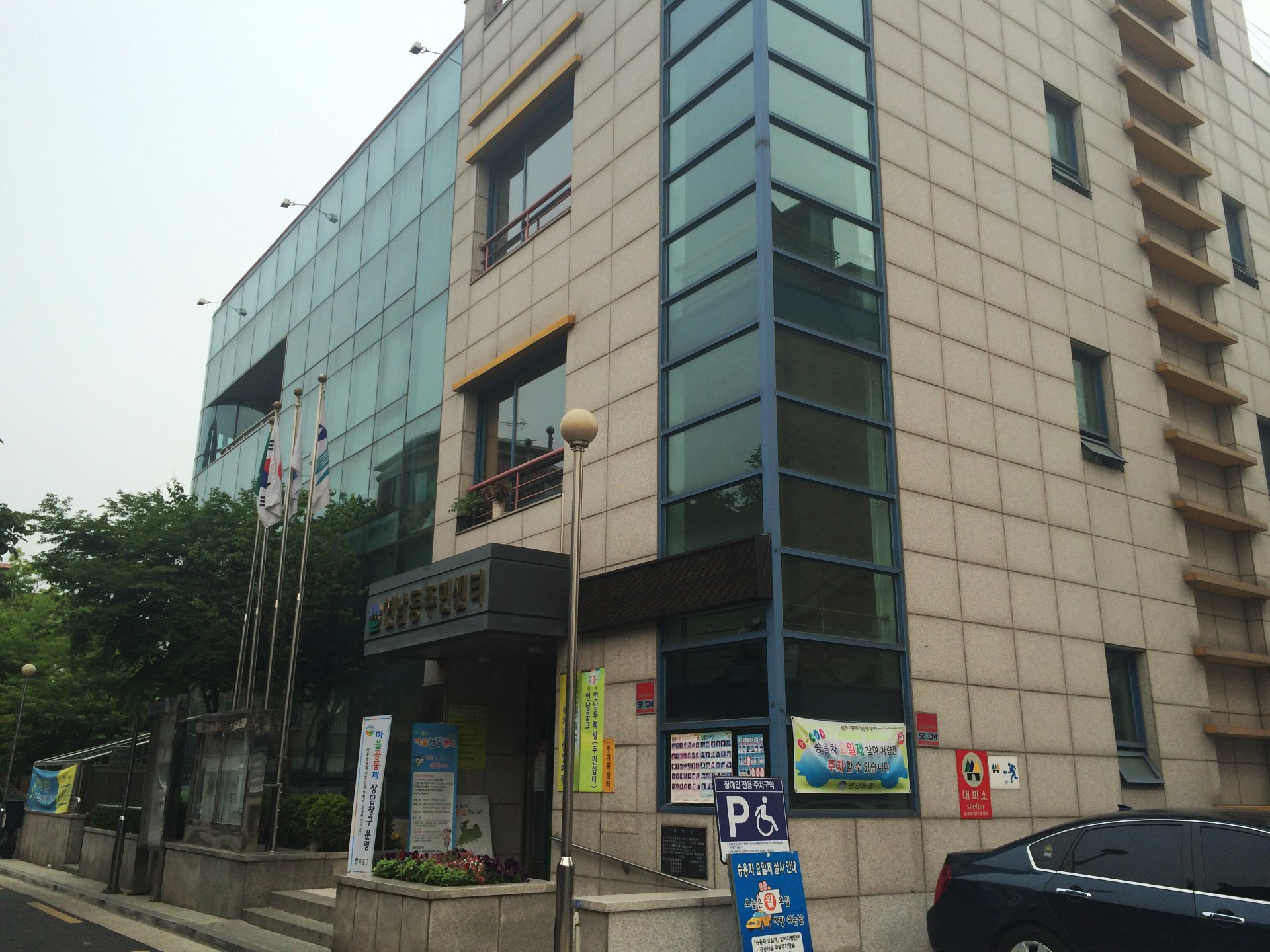
Yeonnam-dong is the quiet lattice of lanes behind Hongdae’s noise, strung along the Gyeongui Line Forest Path—a disused railway turned linear park. The correct method? Pick no destination. Walk the park, and step into whatever pulls you.
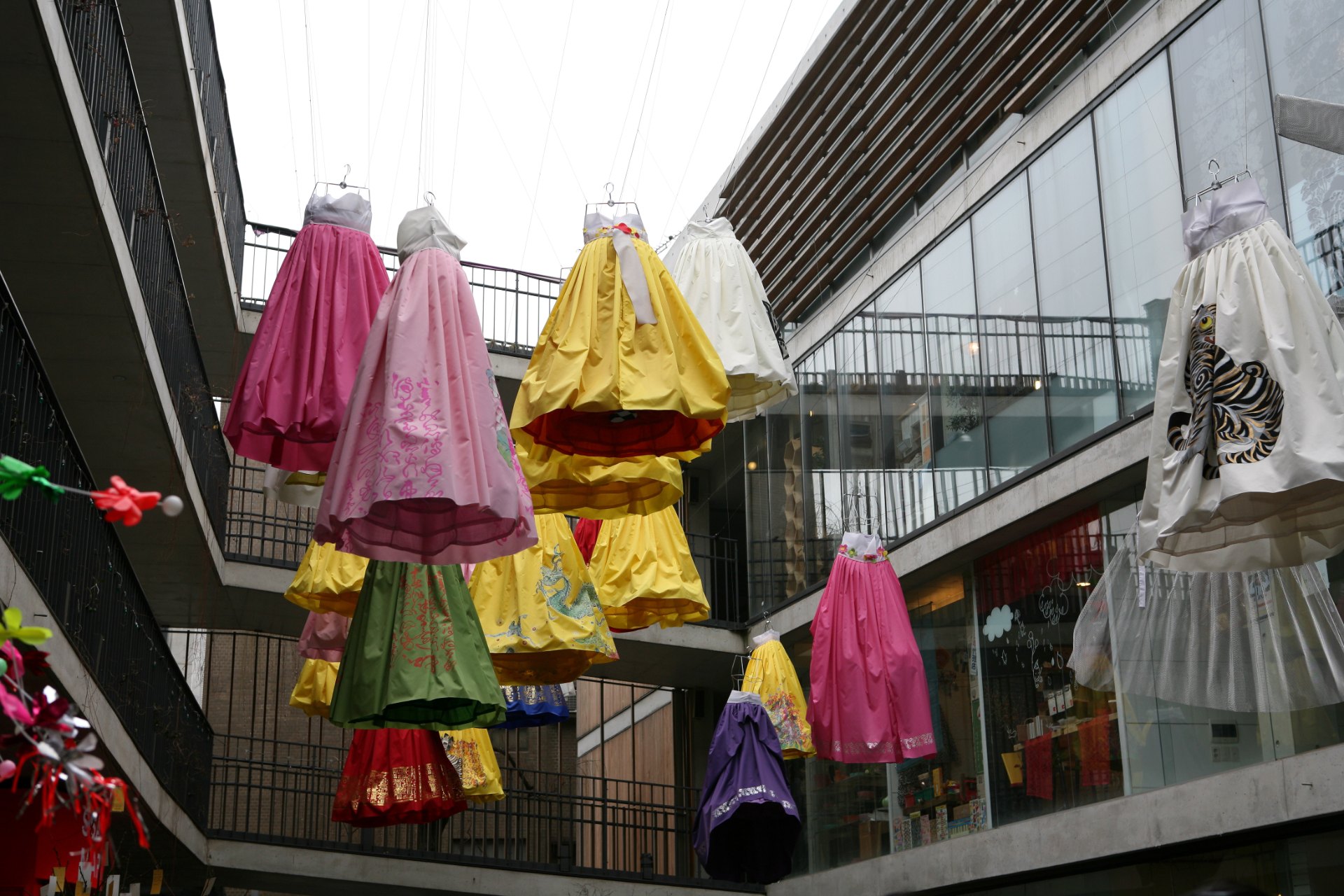
Ikseon-dong is a pocket of dense hanok alleys in central Jongno, its tiled roofs sheltering cafes and craft shops. It’s Seoul’s most photogenic cafe district—and its most crowded. Weekday opening hours are the only calm window, so that’s when you go.
3. One Drink Each! The Unspoken Rules That Make You Fluent
✔ Three rules make you fluent
One drink per person—two cups among four is poor form. Lingering is legitimate—hours of laptop work is ordinary scenery (just yield your seat at peak times). And last order runs about 30 minutes before close, with cakes selling out by evening.
One ordering hack, too. Korean iced drinks run heavy on ice, so “Eoreum jogeum-man”—just a little ice—works at any counter. Say it once and you’ll sound like a regular.
4. One District per Two-Hour Gap! October Is the Cafe District Season
✔ October is when the districts look their best
Cafe-district walking peaks in October: autumn light through Seongsu’s factory windows, ginkgos coloring Yeonnam’s greenway, high skies over Ikseon’s tiles. The walkable shoes from our October packing guide earn their keep here.
Slotting it in is simple: give one two-hour gap per day to one district—Yeonnam on your Hongdae day, Seongsu on your east-side day, Ikseon on your Jongno day. In Seoul, the cafe isn’t the break between sightseeing. It is the sightseeing. Go find your neighborhood!
In short
• When in doubt: Seongsu for architecture, Yeonnam for strolling, Ikseon for photos, Seoul Forest for the park combo
• Seongsu peaks on weekday daytimes; Ikseon is calm only at weekday opening
• Rules: one drink each, lingering fine, last order ~30 min before close
• “Eoreum jogeum-man” = less ice, understood everywhere
• October is the season — one district per two-hour gap in the itinerary
Frequently asked questions
Do cafes have English menus?
Large shops and tourist areas mostly do; elsewhere, pointing at the counter display completes any order.
What is the budget?
Americanos run ₩5–6,000, lattes ₩6–7,000; with dessert, about ₩15,000 per person.
Power outlets and Wi-Fi?
Standard in most shops — cafe-working culture is mature, and outlet seats are common.
Children and pets?
Shop by shop. “No Kids Zone” signs mean exactly that; pet-friendly cafes advertise it.
Should I avoid the chains?
No — Korea’s budget chains are part of the culture. This article only argues that a traveler’s one cup is best spent where the neighborhood comes with it.
Information current as of 17 August 2026. Photos: Wikimedia Commons (credited in captions).
This article is based on the official information below. Rules can change, so please check the original before you travel.
· Korea Tourism Organization official site