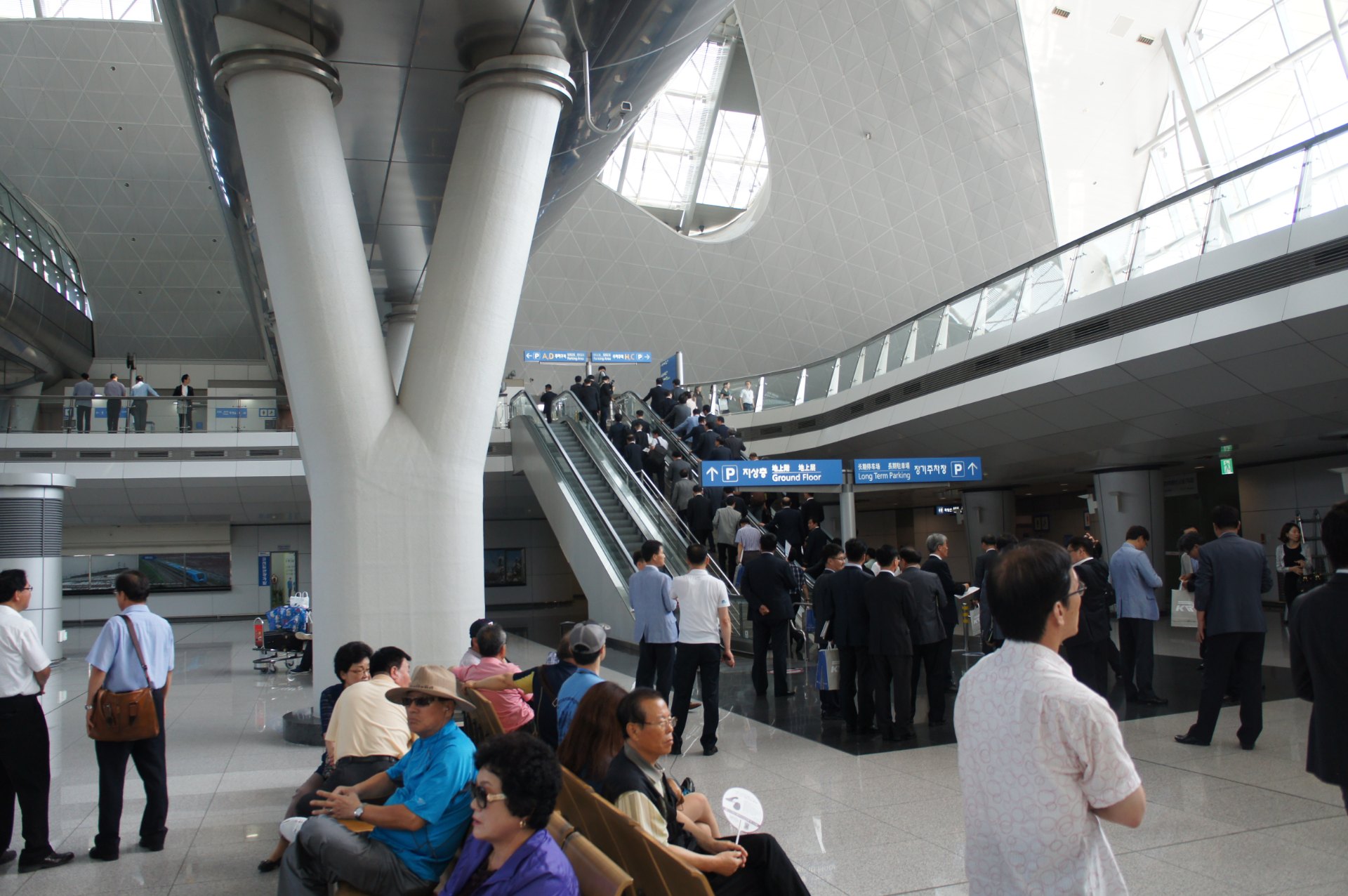
- Korean hospitals issue documents routinely.
- The doors divide cleanly.
- Everything that smooths a claim happens before the flight.
Who this is for
- Anyone who bought travel insurance without knowing what a claim actually needs
- People who’d like to know which door to walk through before they get sick in Seoul
- Anyone planning to rely on their credit card’s attached coverage
An earlier guide covered how to see a doctor in Seoul. Today is the sequel: how to get the money back afterward. Here’s the thing—even with travel insurance, whether you’re actually reimbursed depends on one thing: whether you carried the paperwork home.
The conclusion is simple. At the payment desk, collect the three-piece set: a medical certificate, the receipt, and the itemized bill. With those, claims sail through; without them, even legitimate claims stall—or fail.
“So what do I actually say at the desk?” The four steps from clinic to claim, plus the pharmacy, holiday and emergency chapters. Let’s get into it.
Contents
1. The four steps — paperwork is everything
2. Which door, by symptom
3. The insurance side: ten minutes before departure
4. Frequently asked questions
1. One Sentence and the Set Appears! The Four Steps—Paperwork Is Everything
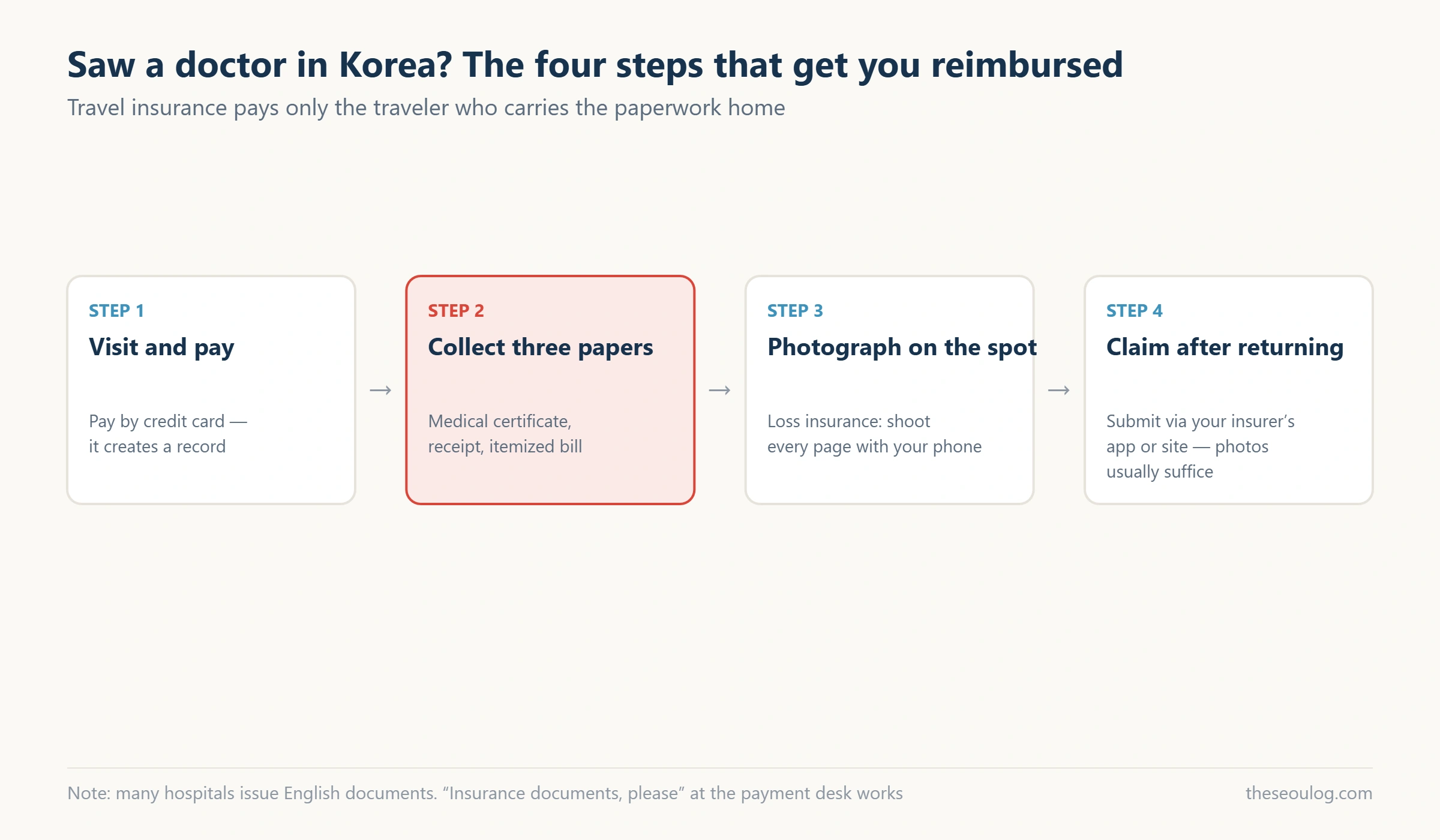
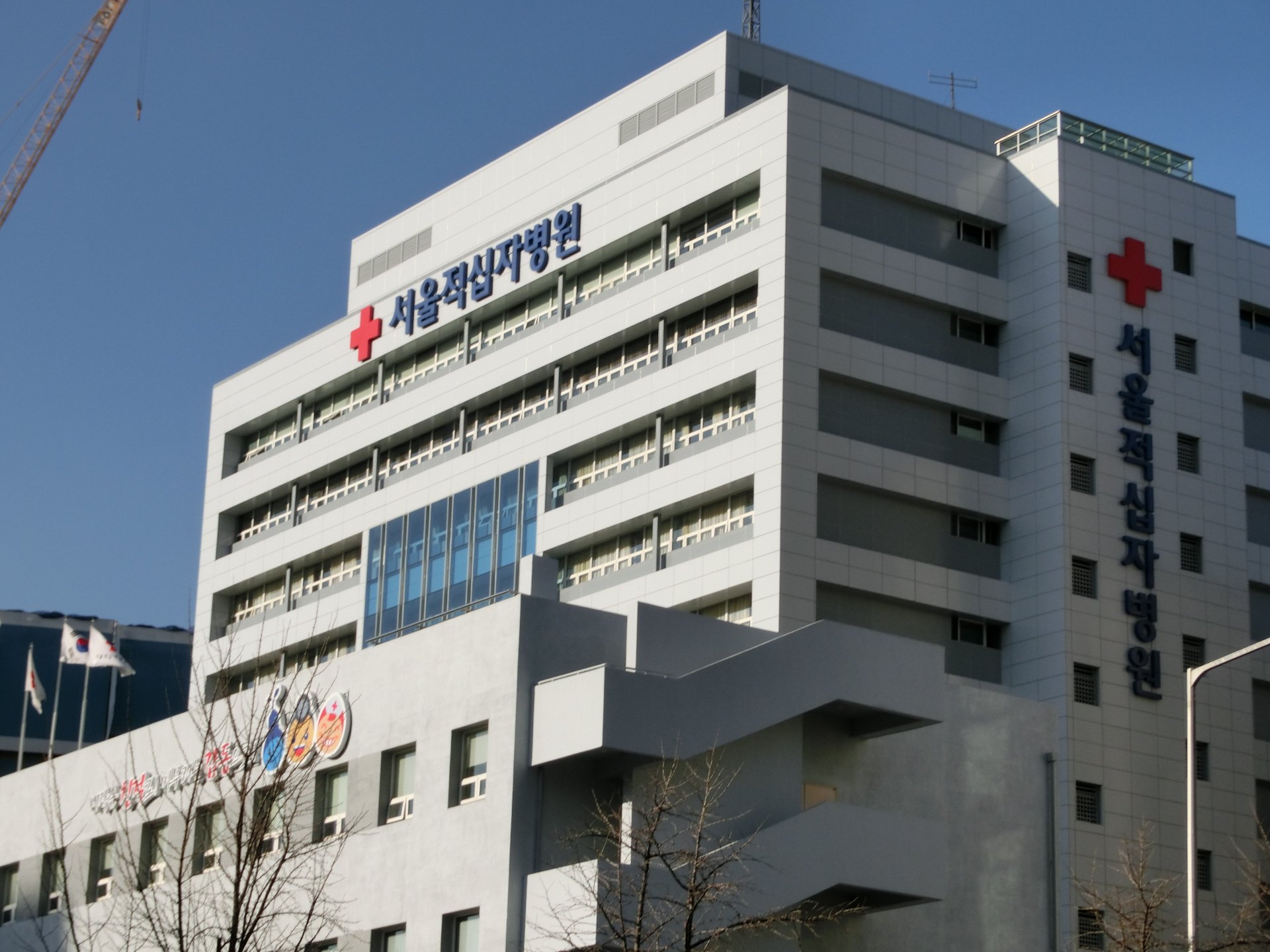
✔ Korean hospitals issue documents routinely
At the desk, say “boheom-yong seoryu juseyo”—insurance documents, please—and the set appears. Many hospitals issue English versions, and clinics in foreigner-heavy districts (Myeongdong, Itaewon) make the whole exchange effortless.
Certificates can carry an issuance fee (a few thousand to ₩20,000). That fee is itself claimable — keep its receipt too.
| Step | What to do | Cost (no insurance) |
|---|---|---|
| 1. Pharmacy first for mild cases | Describe symptoms, get OTC meds | 5,000–15,000 KRW |
| 2. Local clinic | Bring your passport | 30,000–60,000 KRW consult |
| 3. Night/holiday | On-duty hospital / ER | ER from ~100,000 KRW |
| Back home | Claim with receipts | Ask for an English certificate |
✔ Worth reading first. Go through “Sick in Seoul” and the calls ahead get a lot easier.
2. A Clinic Runs ₩30,000–70,000? Which Door, by Symptom
✔ The doors divide cleanly
Mild symptoms (colds, stomach trouble, small injuries) → a clinic (uiwon): figure ₩30,000–70,000 for a visitor consultation, with short waits. Medicine only → a pharmacy (yakguk): describe or point-translate the symptom and the pharmacist picks. Nights and holidays → e-gen.or.kr for on-duty providers. Emergencies → 119, with interpreter support.
As the holiday guide noted, duty pharmacies and ERs run even through the biggest holidays—the machinery works year-round.
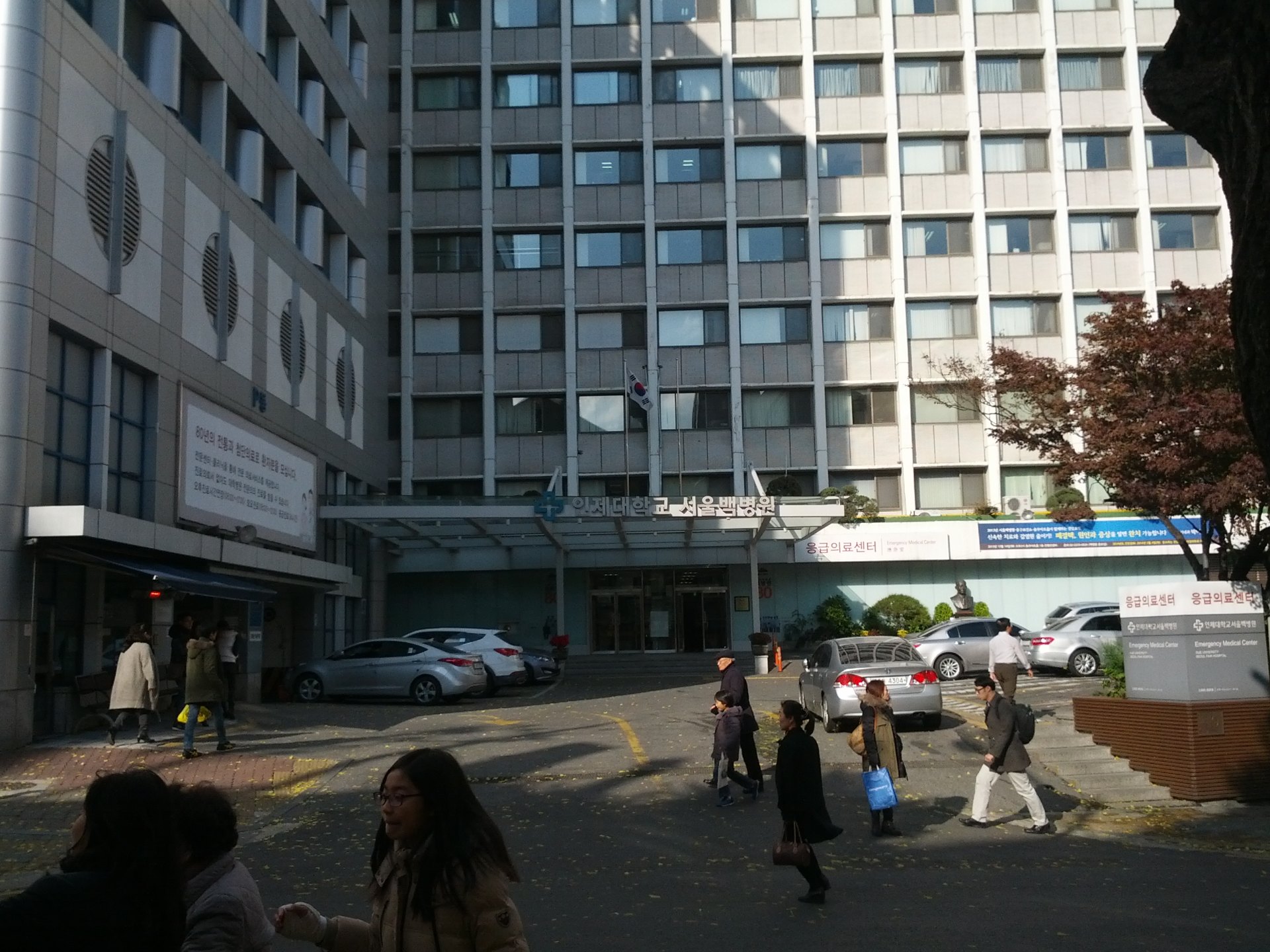
3. It Takes Ten Minutes Before Departure! The Insurance Side
✔ Everything that smooths a claim happens before the flight
Save your policy number and the insurer’s claim app; check whether your credit card’s travel coverage is automatic or requires paying the trip on that card; repeat for family members. Card-attached coverage most often fails on exactly that trip-payment condition—verify it at home, not from a clinic chair.
Korean medical costs aren’t American-scale, but tests or an admission can reach hundreds of thousands of won. The three-paper habit is worth precisely that much. Learn the one sentence before you reach the desk.
In short
• At the desk: “boheom-yong seoryu juseyo” — certificate, receipt, itemized bill
• Clinics for mild cases (₩30–70k), pharmacies for medicine, e-gen.or.kr nights and holidays, 119 for emergencies
• Photograph every page on the spot — loss insurance
• Certificate fees are claimable; keep that receipt too
• Ten minutes before departure: policy number saved, card-coverage conditions checked
Frequently asked questions
Do clinics take walk-ins?
Yes — walk-in is the norm, with waits of tens of minutes on weekday daytimes.
What if I speak no Korean?
Pointing at a translation app works fine, and English-capable clinics cluster in Myeongdong and Itaewon.
I forgot to buy insurance.
Check your credit card’s attached coverage first. Failing that, clinic-level costs in Korea run tens of thousands of won — not a number that should stop you from being seen.
What can pharmacies sell me?
Painkillers, digestives, cold medicine and minor wound care without prescription; antibiotics require one.
Does dental work the same way?
Same paperwork — but many travel policies exclude dental, so check your coverage first.
Information current as of 17 August 2026. Costs vary by provider. Sources: Korea’s medical guidance for foreign visitors, insurer claim practices. Photos: Wikimedia Commons.
Read next — One-week-out checklist · Incheon airport after midnight
This article is based on the official information below. Rules can change, so please check the original before you travel.
· Korea Tourism Organization official site