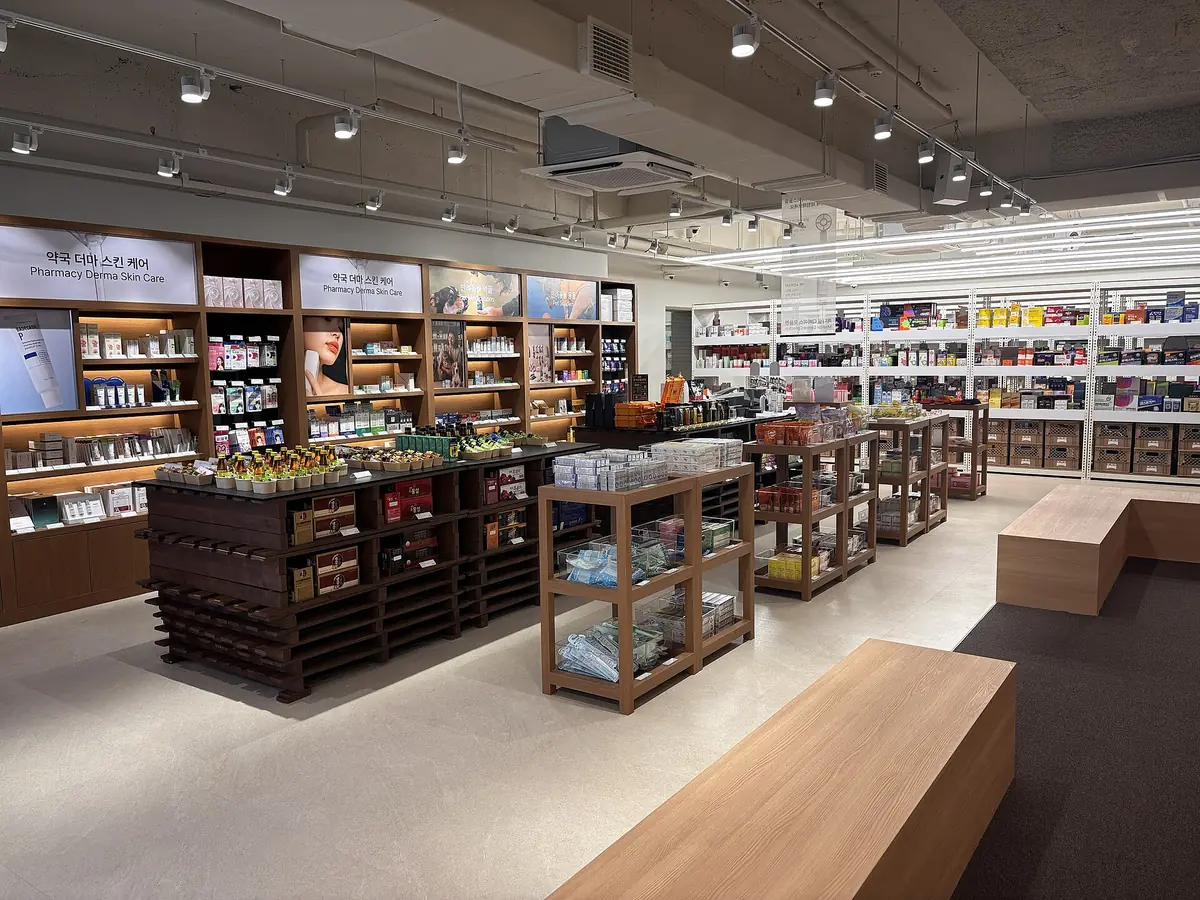
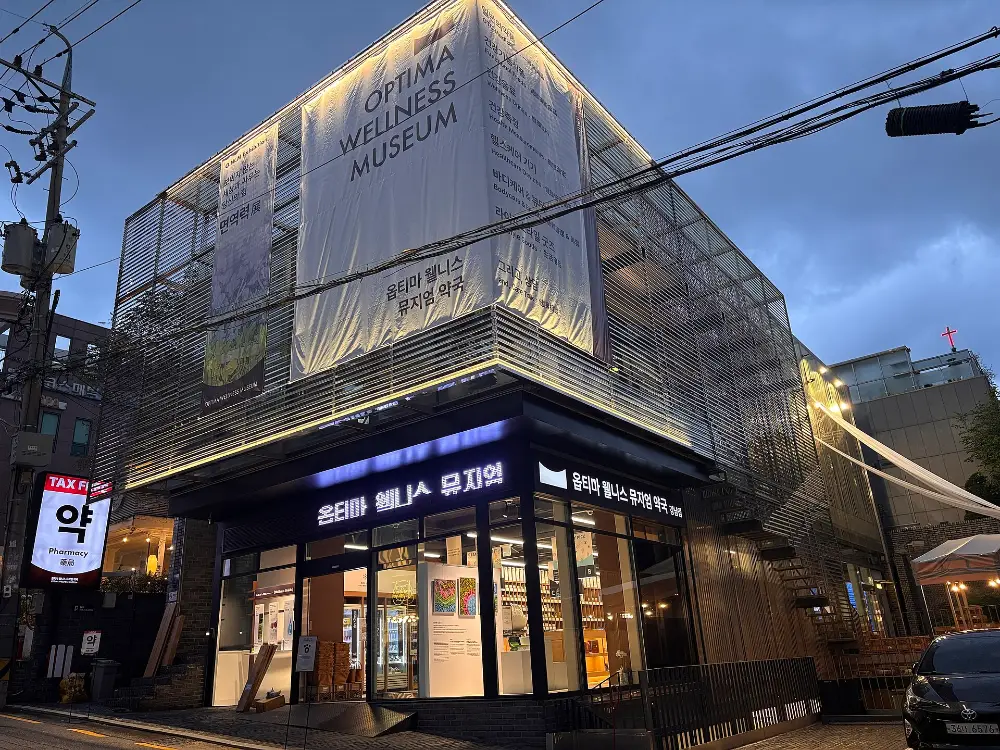
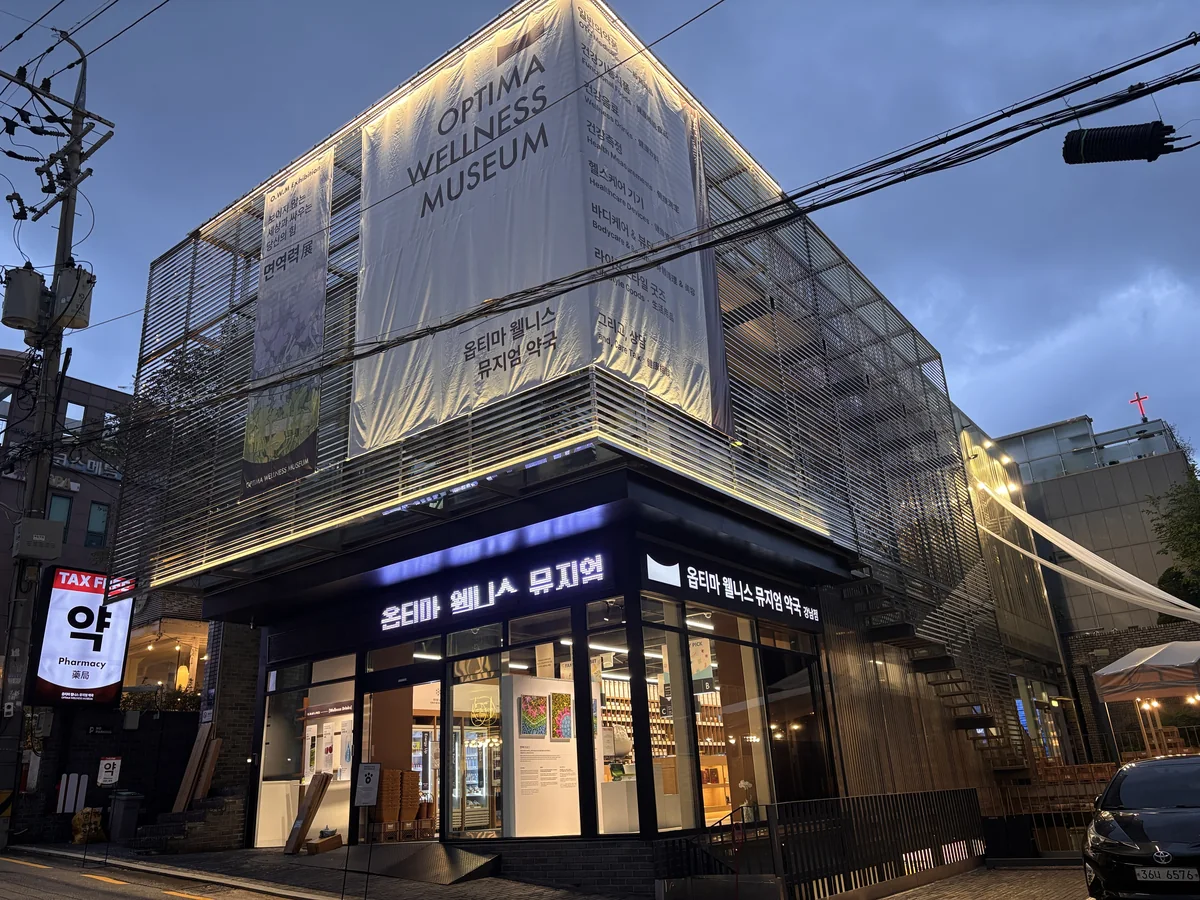
- Look for a green cross and the word 약국 (yakguk) — that is a pharmacy.
- Korea has a government-designated list of “safe household medicines” (안전상비의약품) that convenience stor…
- Say “Advil” or “Pepcid” to a Korean pharmacist and you may get a blank look — US brand names often d…
Who this is for
- Anyone with a headache in a Seoul hotel and no idea what to say at the counter
- People who need medicine on a Sunday night and don’t know where it’s sold
- Anyone deciding what to pack from home versus buy here
Brand names don’t cross borders. Ingredient names do.
Say the name of the painkiller you always buy at home and a Korean pharmacist will usually draw a blank. Say acetaminophen or ibuprofen and you’re understood immediately. Whether a foreign pharmacy is difficult comes down almost entirely to this one switch.
“So if the ingredient matches, it’s the same medicine?” Here’s the catch: the same ingredient comes in different doses and combinations by country. An ingredient name finds you something close, not something identical. Let’s get into it.
This article is general information, not medical advice. Even when the active ingredient is the same, dosages and formulations differ between countries and products, so nothing here guarantees that two medicines are equivalent. If you have a medical condition, are pregnant, or take any regular medication, always talk to the pharmacist or a doctor before buying anything. Follow the product instructions and the pharmacist’s directions for use.
- 1. Look for the Green Cross! Korean Pharmacy (약국) Basics
- 2. About 11 Items, 24/7! Nights and Sundays—Convenience-Store “Safe Medicines”
- 3. Say “Ibuprofen,” Not “Advil”! Why Searching by Ingredient Name Is the Safe Method
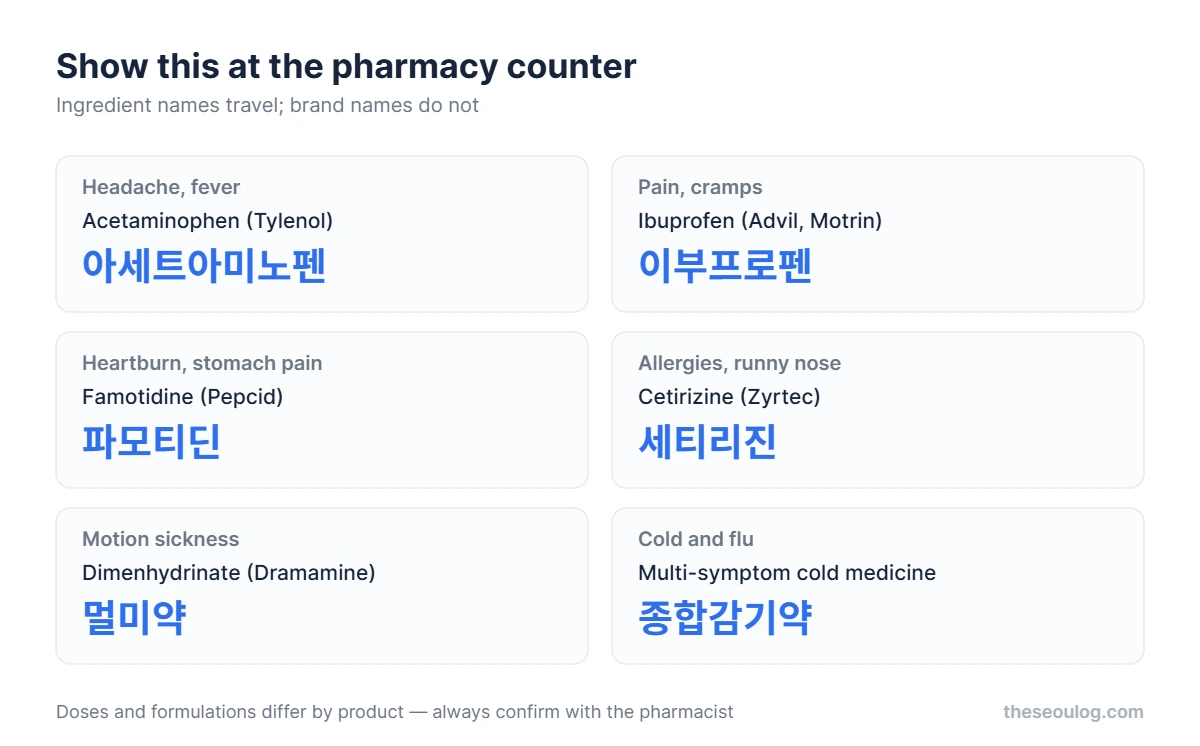
- 4. Screenshot This and Point! Symptom-by-Symptom Ingredient Table + a Korean Phrase
- 5. Pack the Full Prescription Supply! What to Bring From Home
1. Look for the Green Cross! Korean Pharmacy (약국) Basics
✔ A green cross and the word 약국 (yakguk)
That’s a pharmacy. You’ll find them everywhere in Myeongdong, Hongdae, near subway stations, and clustered around hospitals.
Most operate on weekday daytime hours, and each store sets its own schedule. Many close at night and on Sundays, though some districts have designated late-night public pharmacies.
Like in the US, medicines split into prescription-only (처방전 required) and over-the-counter. For OTC items like painkillers and cold medicine, the standard flow is simple: go to the counter, tell the pharmacist your symptoms, and buy what they recommend.
Not sure what you need? Just describe the symptom. Show your translation app’s screen if you have to—Seoul pharmacists deal with tourists constantly.
✔ Got this far? Then this is your next move. “Sick in Seoul” is the step after.
2. About 11 Items, 24/7! Nights and Sundays—Convenience-Store “Safe Medicines”
✔ A government-designated list that convenience stores can sell 24/7
“Safe household medicines” (안전상비의약품): the system allows 13 items on paper; as of 2026, about 11 are actually in circulation.
| Category | Examples |
| Fever/pain relievers | Tylenol (acetaminophen — yes, the same brand as in the US), children’s Brufen syrup (ibuprofen) |
| Cold medicine | Pancold A, Panpyrin T (multi-symptom cold remedies) |
| Digestive aids | Bearse, Festal, etc. |
| Pain-relief patches | Cooling and warming medicated patches |
There’s a limit: one box per item per purchase. And the selection really is bare-bones—no allergy pills, no famotidine, nothing beyond that short list. Treat convenience stores as a 2 a.m. stopgap, not a substitute for the pharmacy. If symptoms continue, talk to a pharmacist or doctor.
3. Say “Ibuprofen,” Not “Advil”! Why Searching by Ingredient Name Is the Safe Method
✔ US brand names often don’t travel
Say “Advil” or “Pepcid” to a Korean pharmacist and you may get a blank look. But say “ibuprofen” or “famotidine” and you’ll be understood, because ingredient names are the same worldwide.
One important caveat: the same ingredient does not mean the same medicine. Strength per tablet and added ingredients vary by country and product. The ingredient name is a way to find something close—not proof of an identical drug.
Availability rules differ too. For example, naproxen—the ingredient in Aleve, an everyday OTC pill in the US—is not guaranteed to be sitting on the shelf in the same form in Korea. Ask the pharmacist what’s available rather than assuming. That “always confirm with the pharmacist” habit is the whole method.
4. Screenshot This and Point! Symptom-by-Symptom Ingredient Table + a Korean Phrase
✔ Show the Hangul at the counter and you’re understood
No need to speak a word. A screenshot on your phone works perfectly.
| Problem | Ingredient (US reference brand) | Hangul to show |
| Headache, fever | Acetaminophen (Tylenol) | 아세트아미노펜 |
| Headache, cramps | Ibuprofen (Advil, Motrin) | 이부프로펜 |
| Pain relief (note) | Naproxen (Aleve) — availability and form vary; ask the pharmacist | 나프록센 |
| Cold | Multi-symptom cold medicine (formulas vary a lot — describe your symptoms and let the pharmacist choose) | 종합감기약 |
| Heartburn, stomach pain | Famotidine (Pepcid) | 파모티딘 |
| Overeating, indigestion | Digestive enzyme preparations | 소화제 |
| Motion sickness | Dimenhydrinate (Dramamine) | 디멘히드리네이트 (멀미약) |
| Allergies, runny nose | Cetirizine (Zyrtec), loratadine (Claritin), fexofenadine (Allegra) | 세티리진 / 로라타딘 / 펙소페나딘 |
If you want to say it out loud, use this pattern:
“아세트아미노펜 있어요? (ah-seh-teu-ah-mi-no-pen iss-eo-yo?)” = Do you have acetaminophen?
Swap in any Hangul ingredient from the table. Never guess at doses or drug combinations yourself—ask the pharmacist on the spot, every time.
Looking up a drug name and finding an open pharmacy both need data. Sort that out first with the eSIM, SIM and pocket WiFi comparison, and use Naver Map to find the shop.
5. Pack the Full Prescription Supply! What to Bring From Home
✔ Bring the full trip’s supply of any daily prescription
Getting the same prescription filled in Korea on short notice is difficult.
A small stash of your usual go-to remedies—the headache pill and antacid you already know—is also worth packing. Reasonable personal-use quantities are normally fine to bring into Korea.
Some medications, including certain psychotropics and controlled substances, are restricted. If you travel with multiple prescriptions, carry documentation (a doctor’s note or printed medication list in English) and check the rules before you fly.
- Look for the green cross and 약국 sign; buy OTC medicine by talking to the pharmacist
- Nights and Sundays: convenience stores sell about 11 designated safe medicines (pain relievers, cold medicine, digestive aids, patches) — one box per item
- Search by ingredient name, not US brand name; showing the Hangul table works without any Korean
- Tylenol exists in Korea under the same name; for Aleve (naproxen), ask the pharmacist about availability
- Bring prescriptions and familiar remedies from home
- When in doubt, don’t buy — ask. If symptoms persist, see a doctor
Living here, the pattern I notice is travelers toughing out a headache for two days to avoid an awkward conversation. Don’t. A pharmacy visit costs a few dollars and five minutes, and the screenshot table above does all the talking for you.
The real risk in buying medicine abroad is not failing to communicate but assuming you succeeded. Same ingredient at a different dose is a different medicine. Screenshot the table and go!
Frequently asked questions
What do I do if I need medicine at night or on a Sunday?
Go to a convenience store. Korea allows a government-designated list of “safe medicines” (안전상비의약품) to be sold 24 hours at convenience stores — pain relievers, cold medicine, digestive aids and patches, roughly 11 products in circulation as of 2026. You may buy only one box per item, so treat it as first aid rather than a supply run.
Will a pharmacist recognise US brand names?
Usually not. Brand names differ by country, so ask by ingredient instead — acetaminophen is 아세트아미노펜, ibuprofen is 이부프로펜. Showing the Hangul ingredient table on your phone works without speaking any Korean at all.
If the ingredient matches, is it the same medicine?
No. Dose per tablet and any additional ingredients vary by country and product, so an ingredient name is a way to find something close, not identical. Some ingredients are also handled differently — a few that are sold over the counter at home require a prescription in Korea. Confirm with the pharmacist before buying.
What do I actually say at the pharmacy?
“아세트아미노펜 있어요?” (a-se-teu-a-mi-no-pen isseoyo — do you have acetaminophen). Swap in any other ingredient name and the sentence still works. If that feels like too much, showing your symptoms through a translation app is perfectly normal here.
What should I bring from home?
Enough of any daily prescription medication to cover the whole trip — replacing a specific prescription in Korea on short notice is difficult. A small supply of the painkillers and stomach medicine you already trust is worth packing too. Reasonable personal quantities are normally fine to bring in, but some categories such as psychotropic medications are controlled, so carry documentation of your prescriptions if you take several.
This article is based on the official information below. Rules can change, so please check the original before you travel.
· Korea Tourism Organization official site
Information as of 2026-08-15 (official listings and Google Maps as shown at publication). Updated when things change.