- Clothing is often sold in a single size, so check the actual measurements.
- Shoes are labelled by foot length in millimetres.
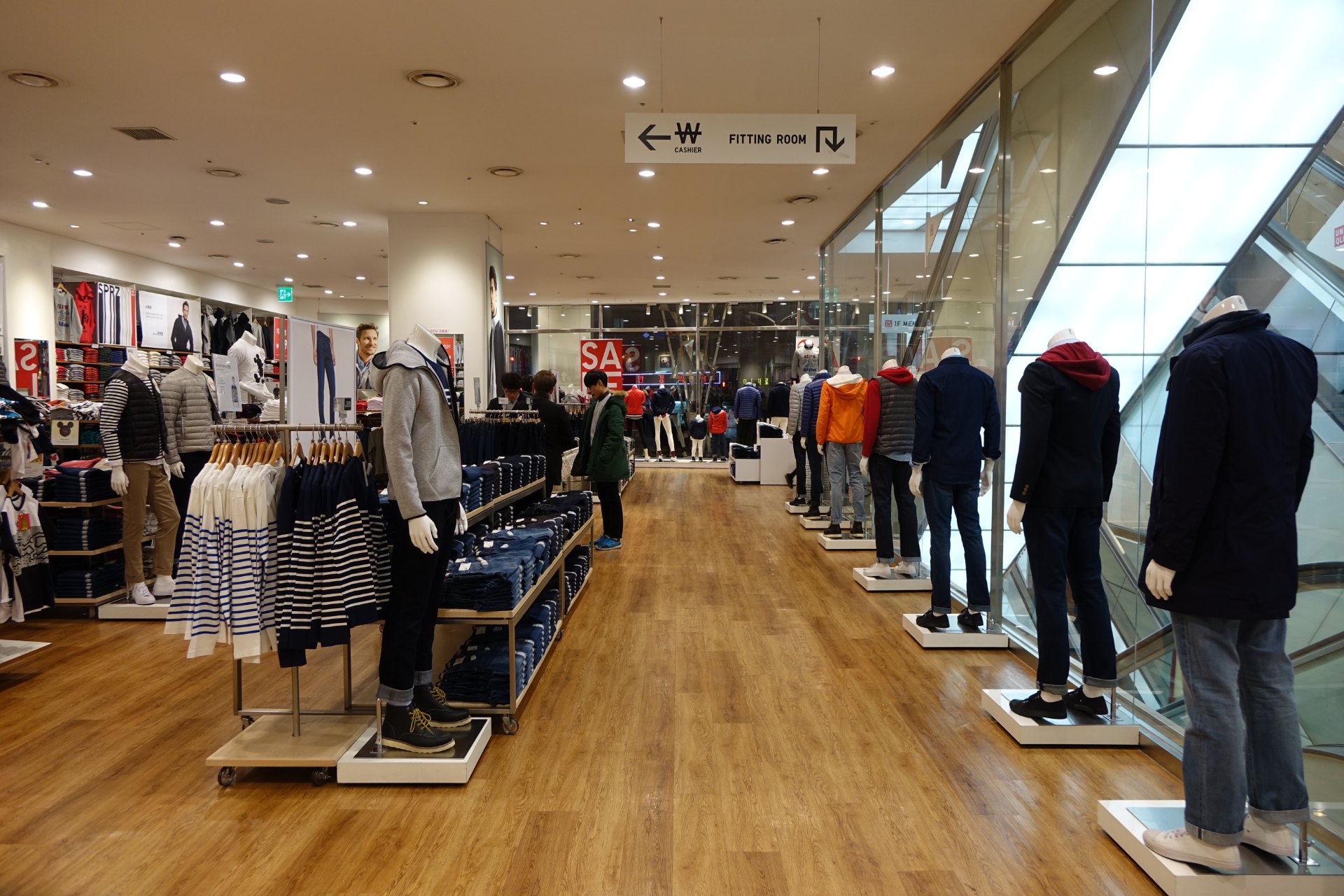
- Some shops have no fitting rooms, so carry your own measurements.
Who this is for
- Anyone who has bought clothes in Korea and found they didn’t fit once home
- People who assumed “one size” meant it fits everyone
- Anyone planning to shop at Dongdaemun or a market without a fitting room
The most common shopping mistake is sizing. You like the design, you buy it, and it does not fit once you are home.
The reason is that the same label means different things in different countries. Here’s the thing: one brand’s M is not another’s, and shoe scales differ entirely.
“So how do I avoid it?” The fix is simple: measure clothes you already own and travel with the numbers. What to measure, and how—let’s get into it.
One Size Means “Only One Size Was Made”! Clothing Labels
✔ “One size” is easy to misread
A great deal of clothing here is sold as one size. That does not mean it fits everyone; it means only one size was made.
Because of that, listings usually give actual measurements in centimetres: shoulder, chest, length. Comparing those against a garment you own is the reliable method.
Where S, M and L appear, the scale still differs from European or Japanese sizing. Do not trust the letter alone.
Trying things on is better where possible, though some shops do not allow it.
| Item | Where to measure |
|---|---|
| Shoulder width | Seam to seam across the back |
| Chest width | Across, under the arms |
| Length | Base of the collar to hem |
| Sleeve | Shoulder seam to cuff |
| Waist | From trousers you already wear |
| Foot length | Heel to toe in millimetres |
✔ Here’s the question that comes next. “The Olive Young Korea Guide Where the Passport Matters More Than the Basket” picks up right where this leaves off.
250 Is Millimetres, Not a Scale! Shoe Sizes
✔ The number is foot length in millimetres
Shoes are labelled in millimetres of foot length. A 250 means 25.0 centimetres.
That is easy if you already think in centimetres, and confusing coming from UK or US scales. Knowing your foot length in millimetres removes the guesswork.
Lasts vary between brands here as anywhere. Try them on if you can.
Instep height and width are rarely labelled, so wider feet especially need a fitting.
Five Numbers in a Phone Note! When You Cannot Try Things On
✔ Some shops mean deciding on the spot
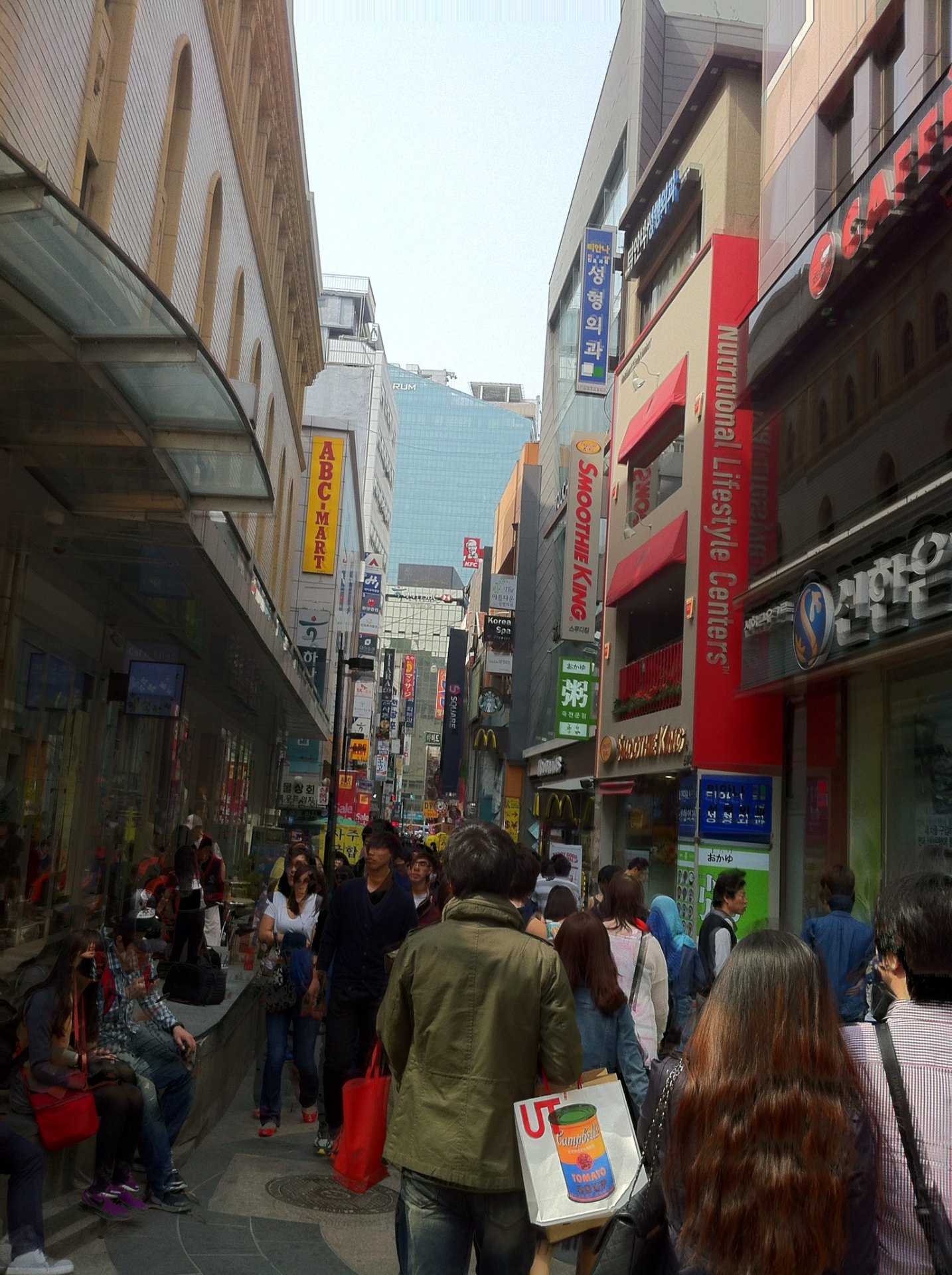
Markets and wholesale-oriented shops often have no fitting rooms. You decide on the spot.
So keep your measurements in a phone note: shoulder, chest, length, waist, foot length. Those five settle most decisions.
Sizing up when unsure is one approach, but Korean clothing tends to run close-fitting, so your usual size often comes up small.
Buying on the assumption that returns are not possible keeps expectations honest.
Care Labels Are in Korean! Other Things to Watch
✔ Translate the label before it shrinks
Care labels are in Korean. Not knowing the fabric or washing instructions is how garments shrink. Photograph the label and run it through a translation app.
Above a spending threshold, participating shops can process a tax refund. Bring your passport.
Think about luggage, too. Clothing takes more space than expected. Calculating the room in your case before you shop saves a scramble later.
If you overdo it, posting a parcel home from the post office is a simple option.
Finally, what looks right under shop lighting often reads differently at home. Shop lighting is bright by design. If you hesitate, leave and see whether you want to come back—that usually settles it.
FAQ
What does one size mean here?
That only one size was produced. Check the listed measurements.
How do shoe sizes work?
By foot length in millimetres; 250 is 25.0cm.
Can I try things on?
Depends on the shop. Markets and wholesale shops often do not allow it.
Can I return things?
Assume not in most shops.
Can I claim a tax refund?
At participating shops above a threshold, with your passport.
Information as of 2026-09-22 (official listings and Google Maps as shown at publication). Updated when things change.