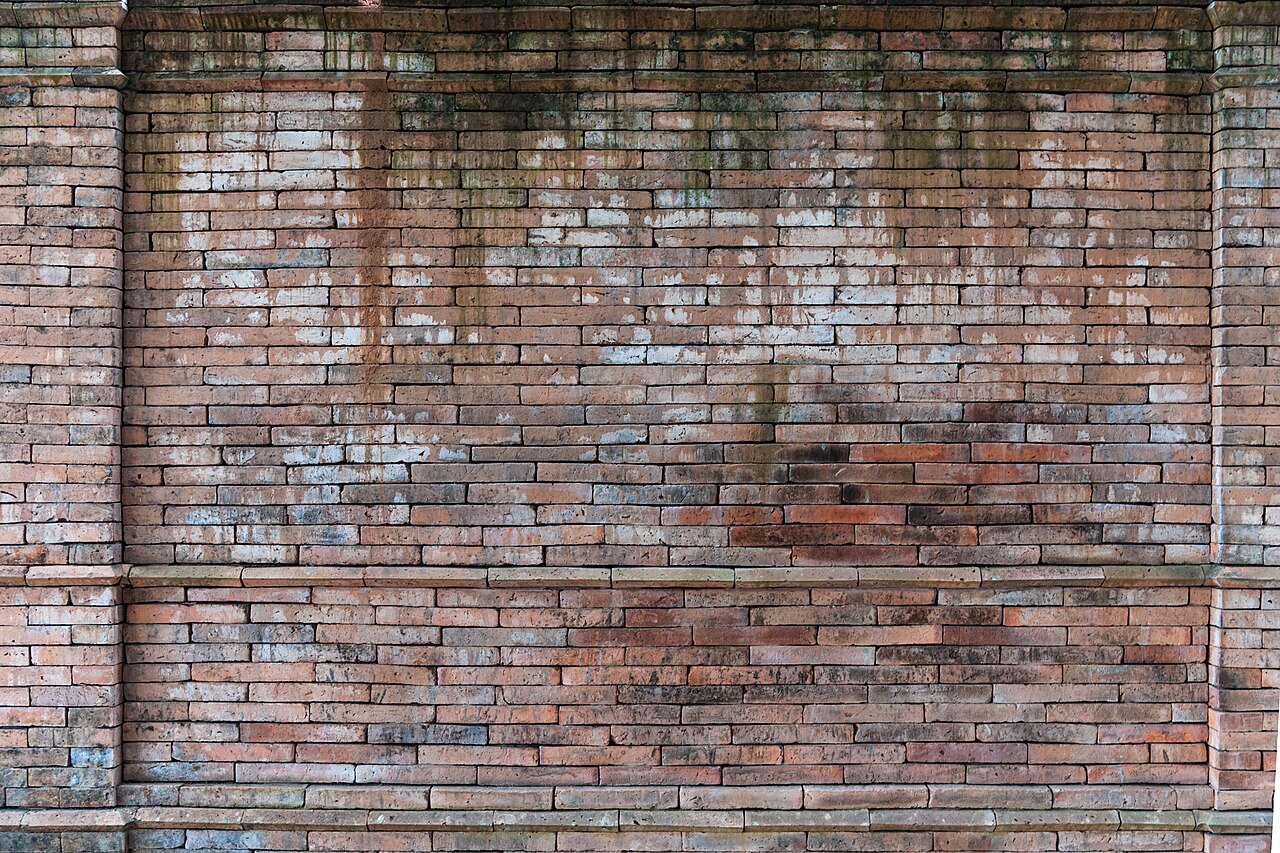
- Low morning light brings out the texture of stone walls and steps.
- Most alleys are housing. Mind your volume and the hour.
- Where people appear, frame so faces are not identifiable.

Who this is for
- Anyone who saw a Seoul alley photo on social media and wants to take their own
- People wondering what hour makes stone walls and steps look their best
- Anyone who’d like the etiquette for shooting in a residential lane settled beforehand
The Seoul photographs that stay with people are usually not the famous buildings. They are the unnamed lanes.
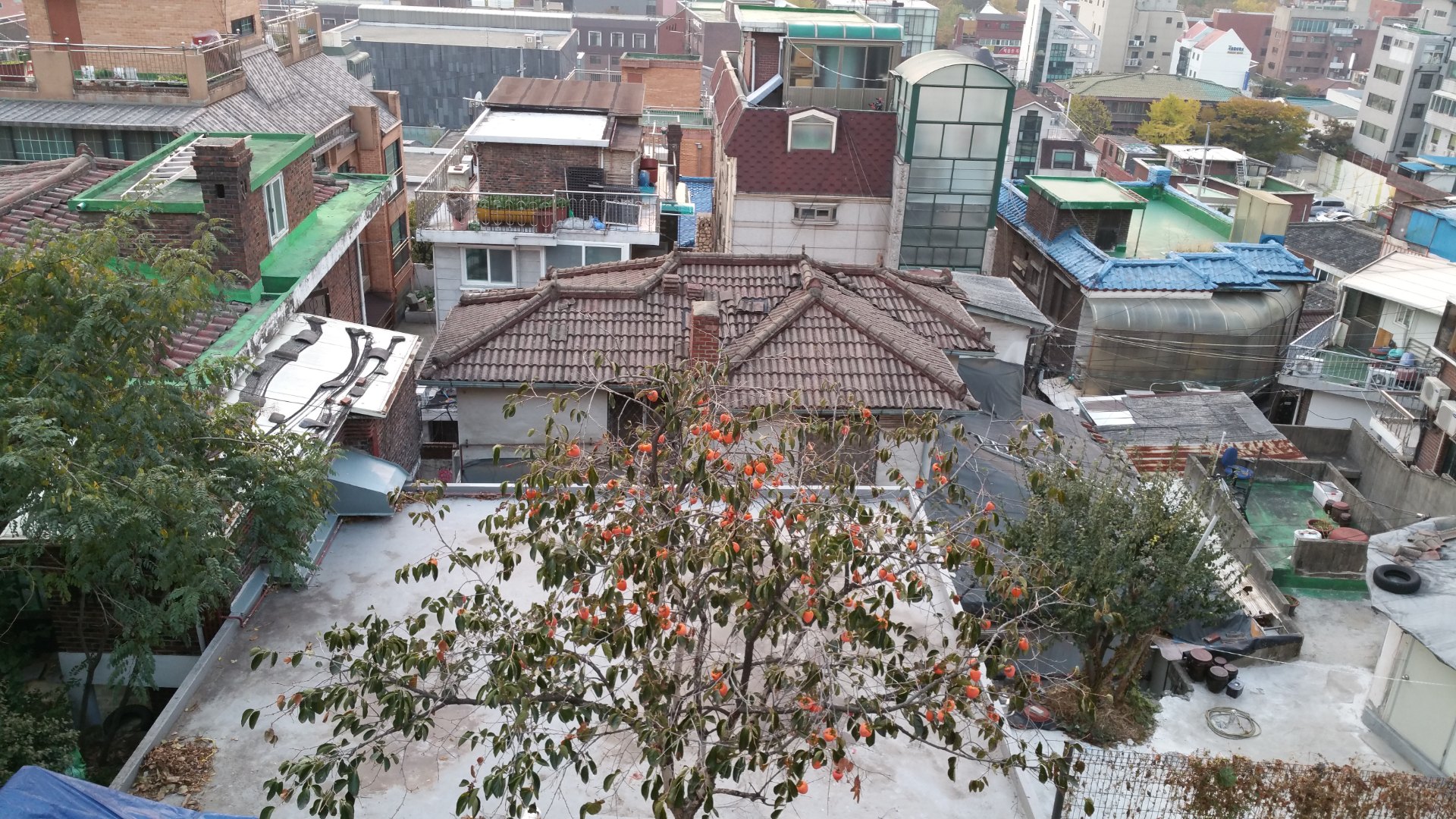
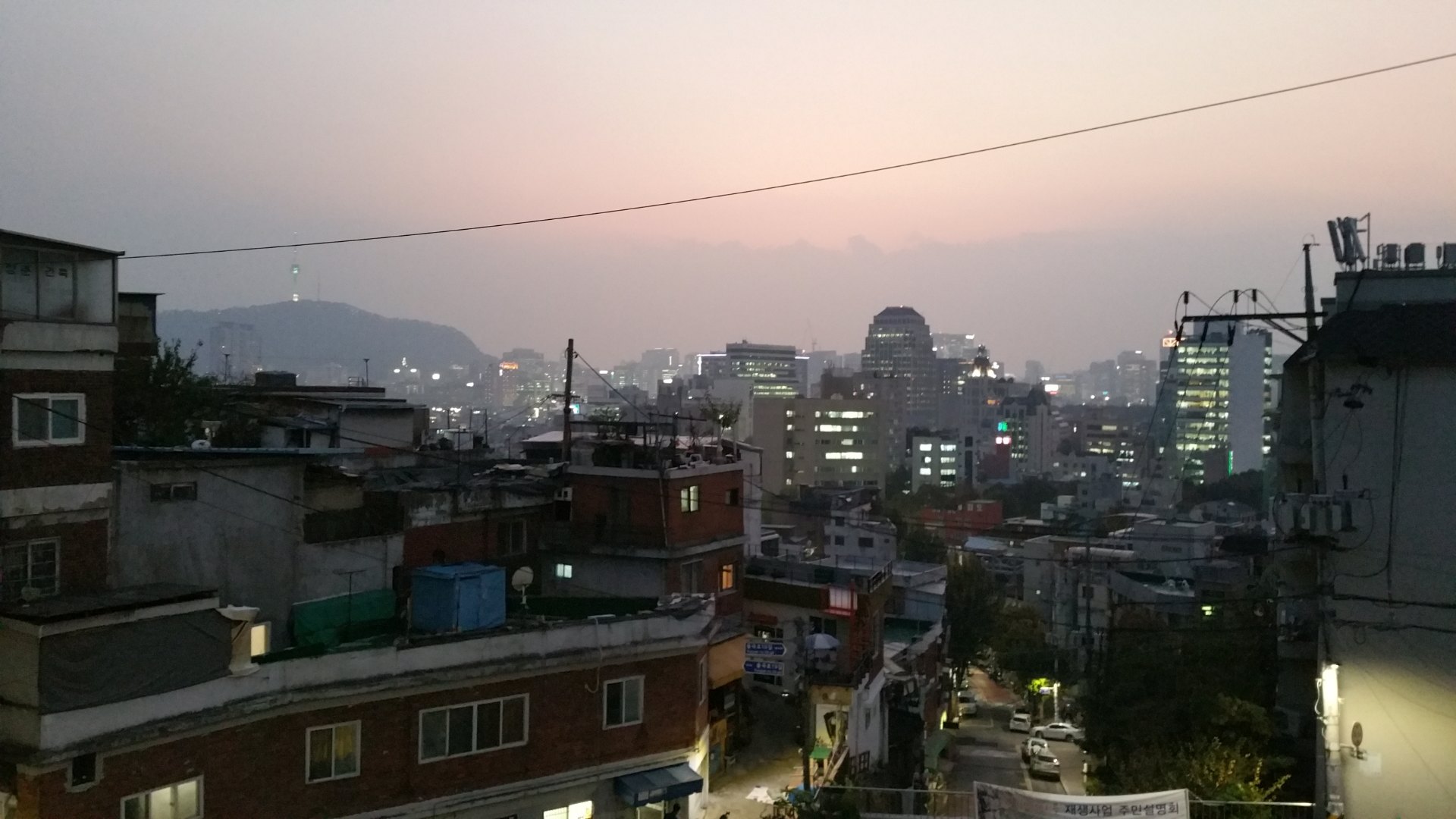
Houses stacked up a slope, faded walls, steep flights of steps. That accumulation is what gives the city its character.
“So when, and how, do I shoot them?” Here’s the thing: these are not attractions. They are neighbourhoods, and photographing them has to coexist with the lives lived in them. From the hour of light to the courtesies—let’s get into it.
Low Morning Light Wins! The Hour of the Light
✔ Alley photographs live or die on light
Midday sun from overhead is too contrasty and flattens the texture out of walls.
Early morning, with the sun low, is the right window. Stone and render pick up shadow and the age of the place registers.
Late afternoon works for the same reason, though autumn sunsets come early, so leave margin.
Overcast days are not a loss either. The light is soft and colour reads evenly.
| Aspect | How to approach it |
|---|---|
| Hour | Low morning light is best |
| Noise | Quiet in early morning and at night |
| People | Frame so faces are not identifiable |
| Private property | Do not go past gates |
| Tripods | Never block a passage |
| Drones | Not without permission |
✔ Here’s the question that comes next. “Seoul Coffee Is a Question of Neighborhood” picks up right where this leaves off.
Stop Trying to Include Everything! Framing
✔ Work with the verticals
Alleys are full of vertical elements: steps, poles, the joins in walls. Working with the verticals produces cleaner frames.
Depth is what makes an alley read as an alley. Put something in the foreground and leave a way through behind it.
Trying to include everything usually weakens the picture. Part of a wall, a single step, washing on a line—the fragment often outlasts the panorama.
And do not try to finish in one pass. Walk it more than once; the light shifts and a different picture appears.
Keep Your Voice Down Early and Late! The Courtesies
✔ These are homes
Keep your voice down early and late, especially in a group.
Do not step past gates or into anything obviously private.
Where people enter the frame, compose so faces are not identifiable. Avoid photographing children.
Laundry and the traces of daily life are photographically appealing and are somebody’s private life. Shooting from further back is a reasonable call.
Some neighbourhoods post no-photography notices. Those exist because of friction with residents. Follow them without exception.
Walk Once Before You Lift the Camera! Practicalities
✔ Steeper than the distance suggests
Alleys are steep and stepped, and tire you out faster than the distance suggests. Wear shoes you can climb in.
Map apps often lose the detail here. Walking into a dead end is part of the exercise.
Some areas have a lot of cats. Feeding them intersects with local arrangements, so leave it alone.
Think too about what you do with the images afterwards. Keeping them privately and publishing them affect the people in them differently.
Finally, walk once before you lift the camera. The places worth photographing tend to present themselves while you are just walking.
FAQ
When is the best time?
Early morning: low light and few people.
Is it a problem if people appear?
Frame so faces are not identifiable.
Can I use a tripod?
Only where it does not block the way. In narrow lanes, better not.
Can I fly a drone?
Not without permission, and many areas are restricted.
Are there places I cannot photograph?
Some areas post notices. Follow them.
Information as of 2026-09-26 (official listings and Google Maps as shown at publication). Updated when things change.