- No tipping in restaurants, taxis or salons. Try to leave money and it will usually be handed back.
- Upscale hotels and some restaurants add 10% service charge and 10% VAT. If a price is marked with “++”, that is what it means.
- Cash changes hands only for things like porters carrying heavy luggage or a special request.

Who this is for
- Anyone from a tipping culture trying to work out the local rate
- People who have been surprised by a hotel bill twenty percent above the menu
- Anyone unsure what to do about porters and housekeeping
The first thing most visitors want to settle is the tipping rate. For Korea the answer is short. You do not tip.
This is not politeness talking. Menu prices already include labour costs, and nothing in the system expects a top-up. Leave notes on the table and staff may well chase you down the street to return them.
“So paying is simple, then?” Here’s the thing: not entirely. At hotels and certain higher-end places the bill can land about twenty percent above the menu price. Not because of tips, but because of service charge and tax. Let’s get into it.
Taxis and Salons Included! The Default Is Nothing Extra
✔ No tip prompt on the card terminal
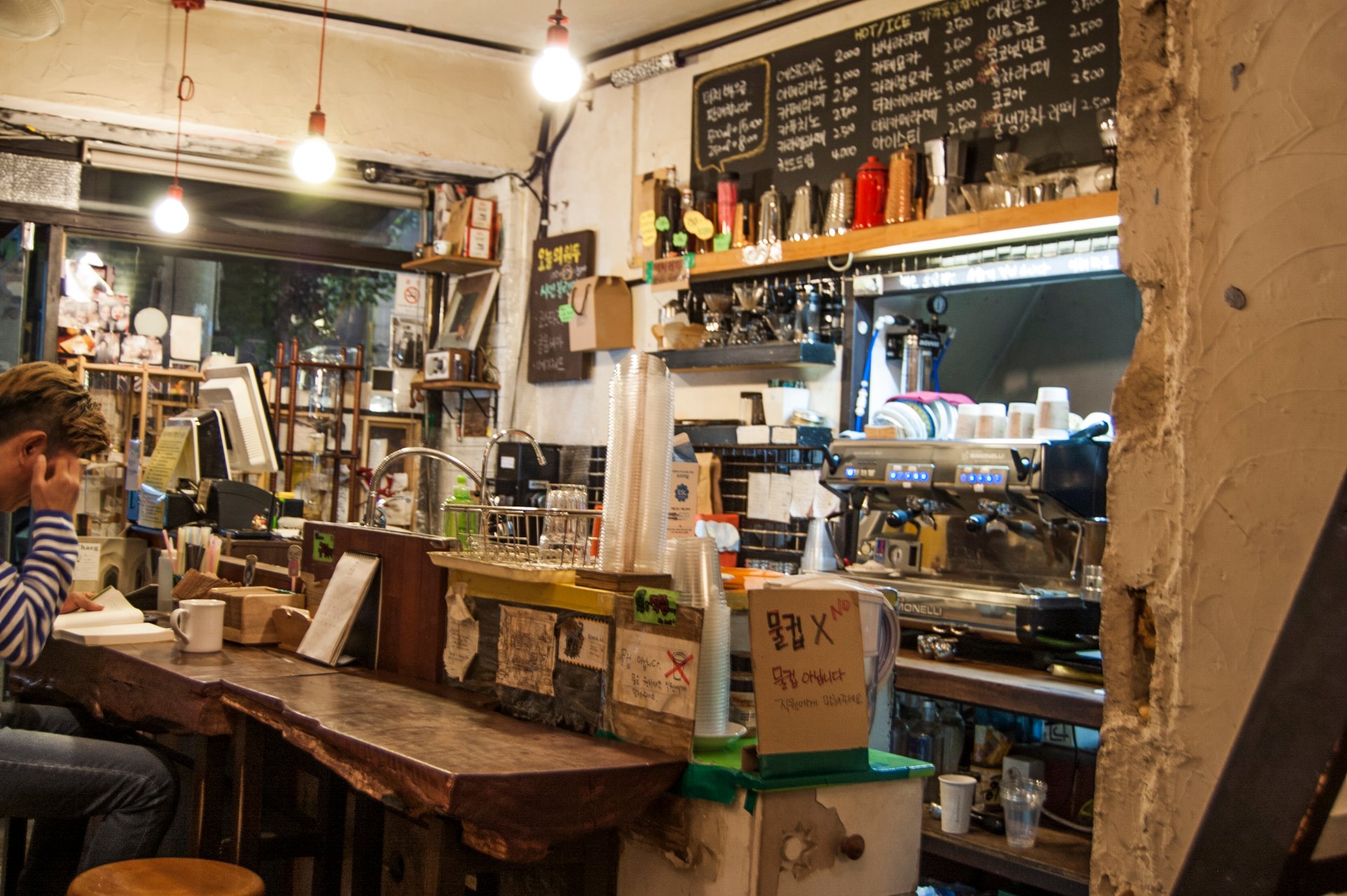
Most restaurants take payment at the counter, and even where you pay at the table there is no tip line. Card terminals almost never show a tip prompt.
Taxis work the same way. You pay what the meter says. Rounding up is not a habit, and change comes back to you. Late-night surcharges are added automatically, so nothing further is expected.
Hair salons, massage places and nail bars are no different. Satisfaction is expressed by saying so, or by coming back.
| Situation | Tip | Notes |
|---|---|---|
| Restaurants | No | Included in the price |
| Taxis | No | No rounding up either |
| Upscale hotels | No | 10% service charge may apply |
| Porters and special requests | Optional | A few thousand won in cash |
✔ Here’s the question that comes next. “Korean Restaurant Etiquette—10 First-Timer Surprises” picks up right where this leaves off.
20,000 Becomes 24,200? Service Charge and VAT: What “++” Means
✔ “++” means added on top
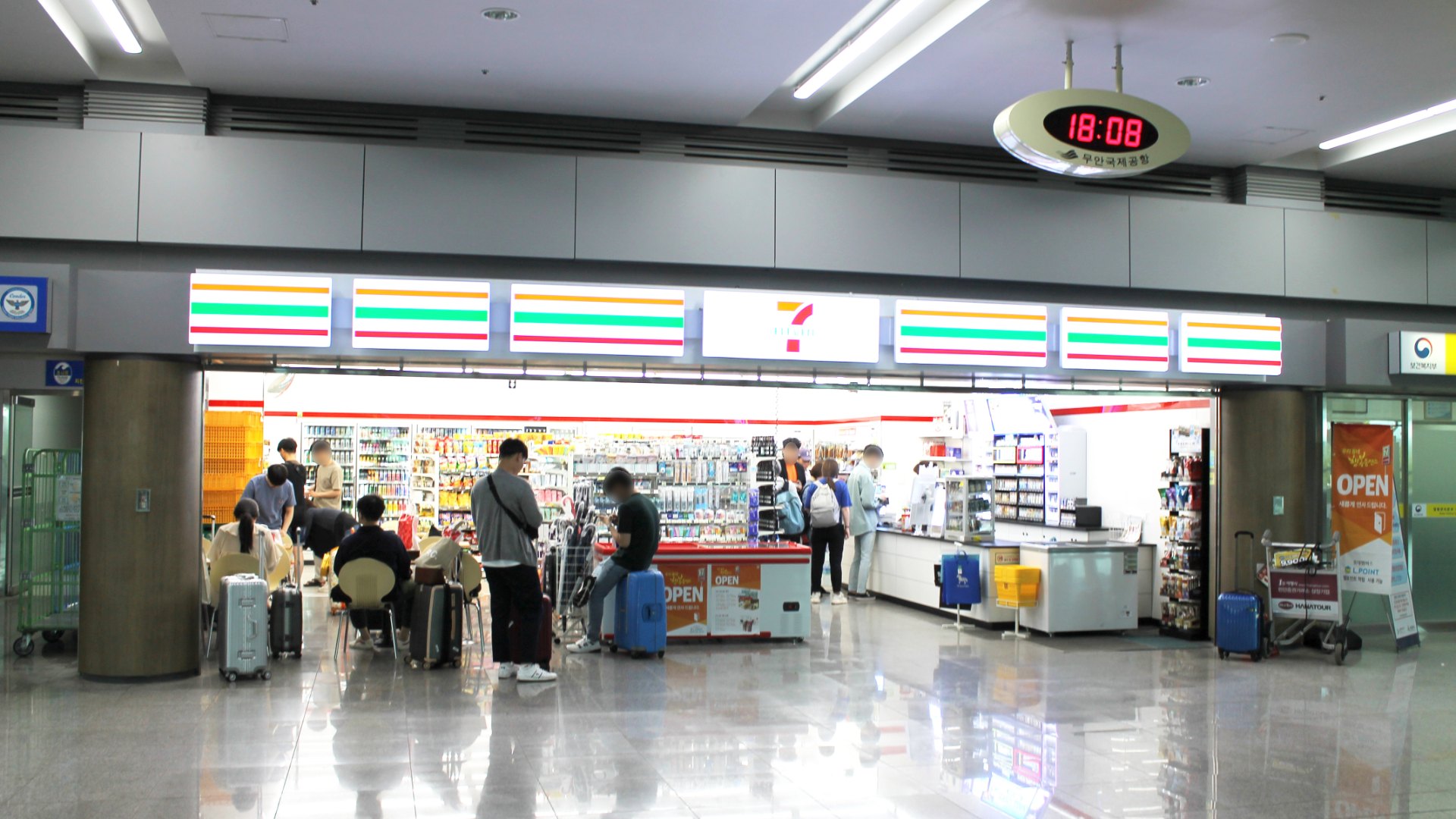
In hotel restaurants and bars you will sometimes see “++” beside a price. It means a 10% service charge and 10% VAT are added on top.
A dish listed at 20,000 won comes to roughly 24,200 won. The two ten percents do not simply add, because the tax is calculated on the amount after the service charge.
None of this is a tip, so there is no reason to leave cash afterwards. Doing so means paying twice for the same thing.
Optional, Never Expected! The Exceptions Where Cash Appears
✔ It may even be declined
If a hotel porter carries a lot of luggage up to your room, some guests hand over a few thousand won. It is not expected, and it may be declined.
Leaving money for housekeeping is not a common practice here. Only after a specific request, and certainly not daily.
Golf courses are the one structural exception, where a caddie fee is part of the published price. That is a set charge rather than a tip, and the amount is known in advance.
Split the Bill on the Card Terminal! Things That Actually Help at the Till
✔ Nobody has to collect cash
Splitting a restaurant bill is handled by the card terminal. Tell the staff how many ways, and most places will run separate charges rather than asking anyone to collect cash.
Immediate tax refund lets foreign visitors pay the pre-tax price in store for purchases under a certain amount. You will need your passport.
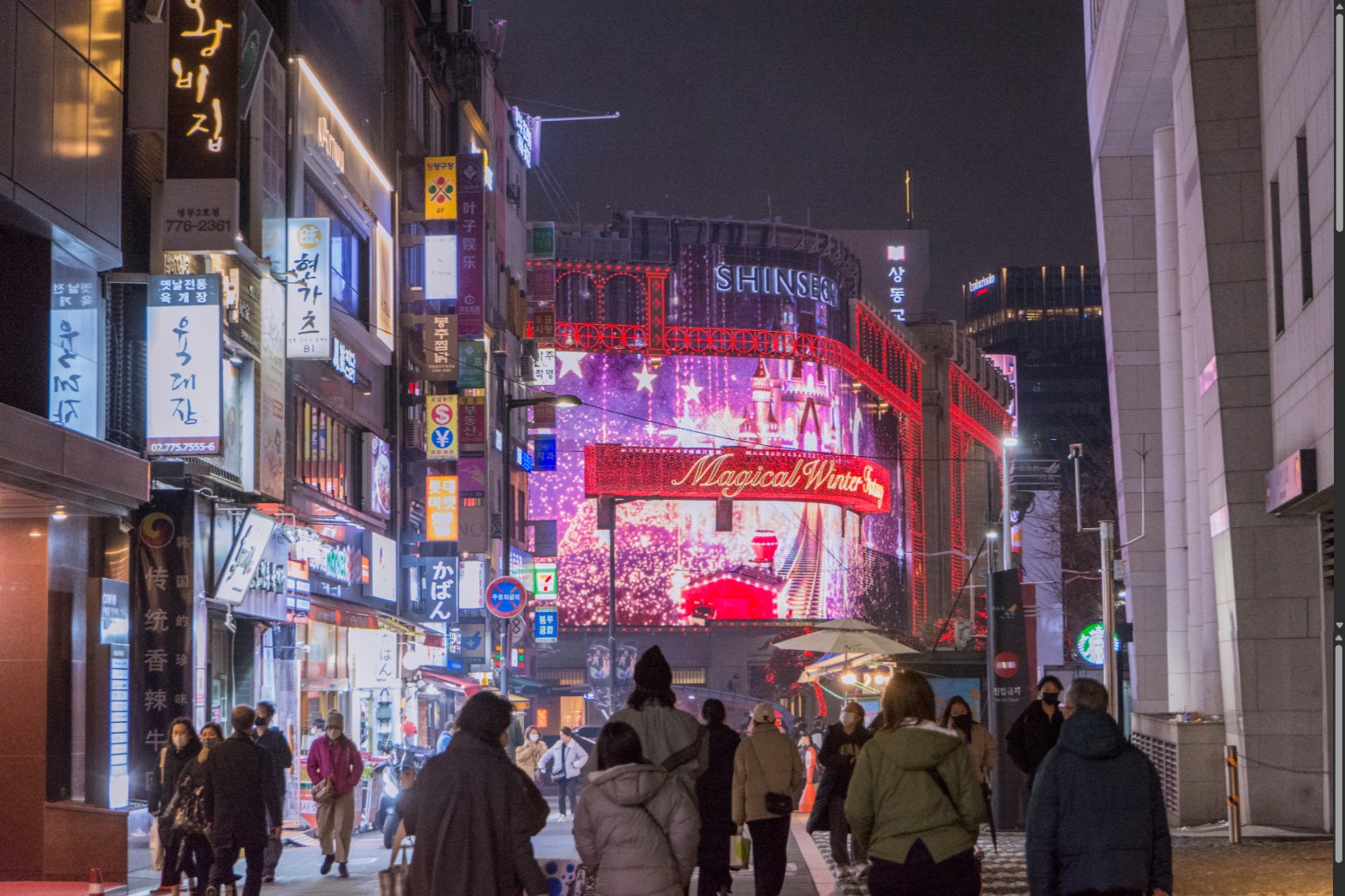
Street stalls and small shops can still be cash only. Most take cards and mobile payment, but carrying a few 10,000 won notes keeps things moving.
FAQ
Is offering a tip rude
Not rude, but it will often be refused. There is no need to insist.
Should I let a taxi driver keep the change
No. Taking your change back is completely normal.
Why is my hotel bill higher than the listed price
A 10% service charge and 10% VAT have been added. This happens where prices are marked “++”.
Do I leave money for housekeeping
It is not a general custom here. Only after a specific request.
Are cards accepted everywhere
Almost everywhere. Small street stalls can still be cash only.
- Korea Tourism Organization travel guide
- National Tax Service – VAT information
- Korea Tourism Organization – tax refund
Information as of 2026-09-29 (official listings and Google Maps as shown at publication). Updated when things change.