- Some flea markets run only at weekends or on set days.
- With second-hand clothing, condition is everything and returns are not possible.
- Old electrical goods carry voltage and plug issues worth checking first.

Who this is for
- Anyone hunting for a one-of-a-kind find you can only get in that place
- People who have arrived at a flea market to find it closed
- Anyone who wants the condition checks and bargaining etiquette sorted first
Visit only new shops and cities start to blur together. Second-hand shops are where things you can only find in that place still exist.
Seoul has several districts where vintage clothing shops cluster, and flea markets that set up at weekends.
“Will it be open whenever I go?” That is the trap. Here’s the thing: turning up on the wrong day wastes an afternoon. Check that first, then the six things below. Let’s get into it.
Some Markets Are Weekend-Only! Check the Dates First
✔ Flea markets keep set days
Permanent vintage shops open on weekdays, but many flea markets run only at weekends or on particular days.
Weather cancels outdoor markets. Worth checking on the morning.
Just after opening has the fullest selection; near closing, prices soften. Which matters more decides when you go.
If the market has a social account, that is the most accurate source.
| Aspect | What to look at |
|---|---|
| Dates | Some markets are weekend or set-day only |
| Condition | Stains, tears, smell, hardware |
| Sizing | Older garments use different scales |
| Price | Ask if nothing is marked |
| Payment | Some stalls are cash only |
| Taking it home | Electrical goods: voltage and plugs |
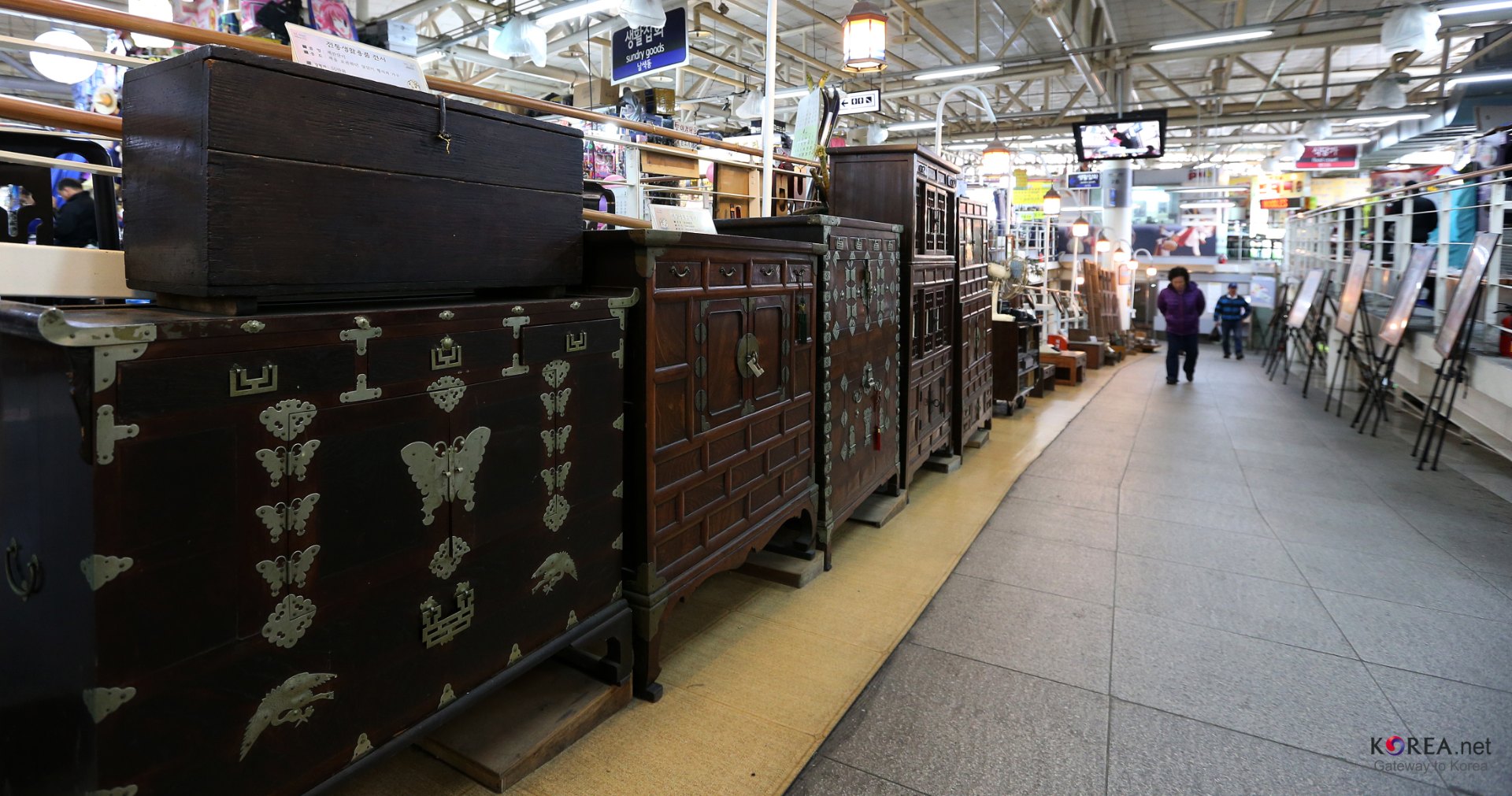
✔ Got this far? Then this is your next move. “Korean Souvenirs Are 90% About Where You Buy” is the step after.
One of a Kind, So Condition Is Everything! Judging Condition
✔ Open it out somewhere bright
Second-hand clothing is one of a kind, so condition is the whole question. Open it out somewhere bright.
Look at underarms and collars for staining, seams for fraying, buttons and zips for movement, and smell it. Some smells never wash out.
On leather, check for cracking and the state of the stitching. Lifted seams mean repairs.
Some shops allow fitting and some do not. Where you cannot, judge against your own measurements—older garments use sizing that no longer matches modern labels.
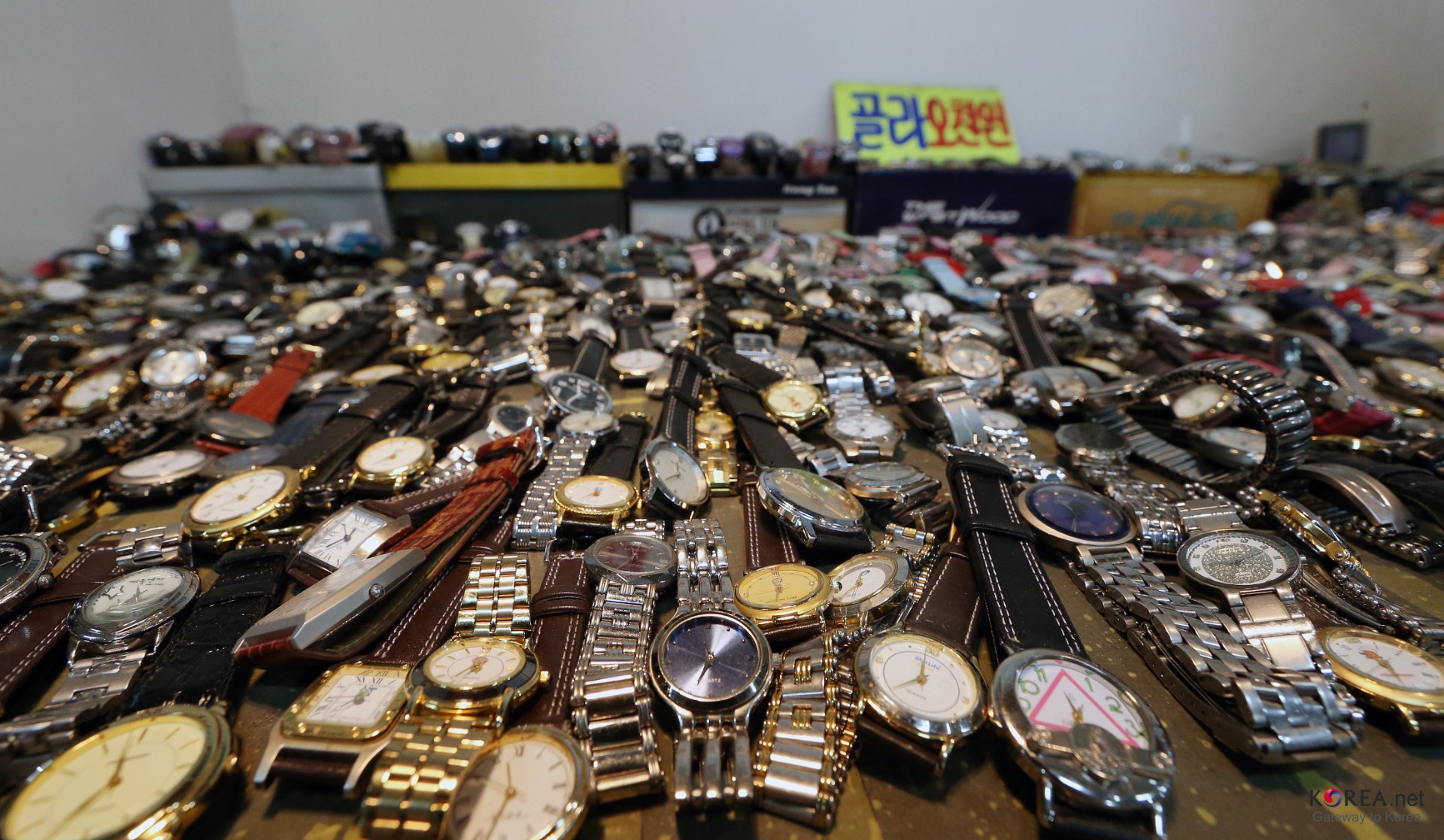
Buying Several? Bargaining Works! Prices and Bargaining
✔ If nothing is marked, ask
Some items carry no price. Ask.
Bargaining works at flea markets, especially when buying several things. But the seller is running a business, so keep requests within reason.
Some stalls take cash only. Small notes keep you moving.
Returns and exchanges are not available. Decide before you pay.
Check Voltage and Plugs! Getting It Home
✔ Check it works at home first
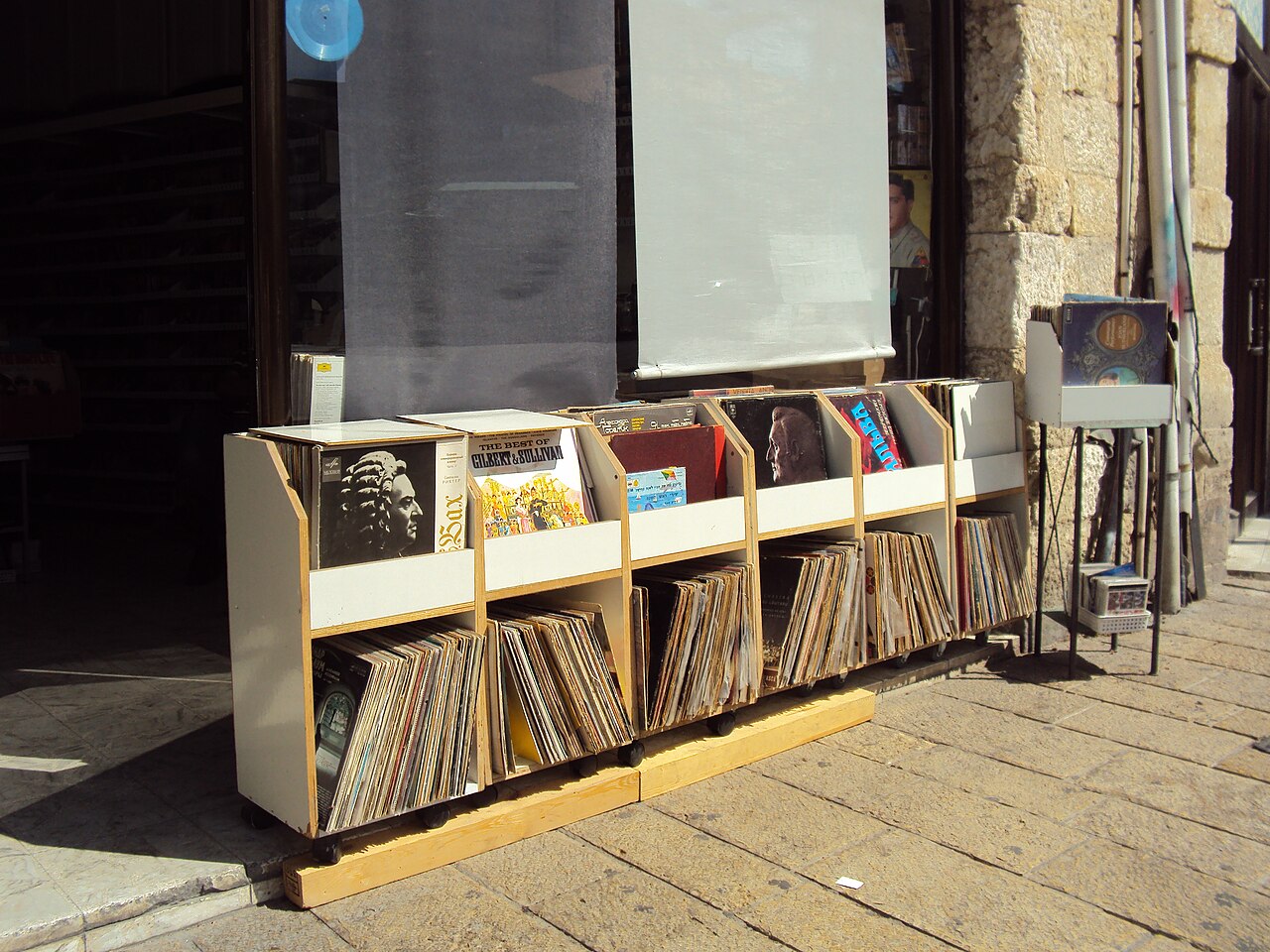
Old electrical items may use voltage and plug standards that no longer match yours. Check before buying.
Leather and wooden items face import restrictions in some countries, particularly anything of animal or plant origin.
Books and records are heavy. Let your baggage allowance decide how much you buy.
If you overdo it, posting a parcel from the post office is simple enough.
And wash or clean second-hand clothing before wearing it. Whether something bought on a trip settles into everyday life at home often turns on that one step.
FAQ
When do flea markets run?
Some are weekend or set-day only. Check the market’s social account.
What happens in the rain?
Outdoor markets are often cancelled.
Can I bargain?
At flea markets, often — especially buying several items.
Can I try things on?
Depends on the shop. Where you cannot, use your own measurements.
Is buying old electrical goods sensible?
Check voltage and plug standards; they may not work at home.
Information as of 2026-09-26 (official listings and Google Maps as shown at publication). Updated when things change.