日本語|繁體中文|English|Bahasa Melayu|Bahasa Indonesia|한국어

“Two Portions Minimum” and a Portion Is Anywhere From 120 to 200 g! How to Order at a Korean BBQ (Samgyeopsal) Restaurant—Seoul Average 21,321 Won, the Sit-Down-to-Checkout Flow, and Why Two People Should Budget 50,000 Won
Korean BBQ restaurants run on a simple rule: order by headcount, usually two portions minimum. A portion weighs 120 to 200 g depending on the restaurant, and menus must show the price per 100 g. Seoul’s average for 200 g of samgyeopsal is 21,321 won (June 2026). How to order, grill, refill your lettuce and pay.

The District That Never Stops, Cut Into 9 Themes! Dongdaemun Area Guide—Gwangjang Market Since 1905, Wholesale Towers 8 pm–5 am, DDP, and the Naksan Wall Free 24 Hours

Dongdaemun has a different face at dawn, noon, dusk and 3 am. Here’s the thing: Gwangjang Market since 1905, wholesale towers open till dawn, Zaha Hadid’s DDP, the Naksan wall path, Dongmyo vintage market and a 24-hour sauna—9 themes with exits, closing days and Google ratings, all verified. Bindaetteok prices and the whole-chicken place included.

Never Skip Checking the Day It Opens! Seoul’s Vintage Shops and Flea Markets—Weekend-Only Markets, Best Choice Early and Best Prices Late, Four Condition Checks, and the Voltage Problem Going Home

Seoul vintage and flea market guide card image

Visit only new shops and cities start to blur together. Second-hand shops are where things you can only find in that place still exist. Seoul has districts where vintage shops cluster and flea markets that set up at weekends. Here’s the thing: turn up on the wrong day and you waste an afternoon. Underarms and collars, seams, zips, smell; small notes for cash-only stalls; voltage on old electricals—six things to weigh, in order.

Never Skip Asking the Price! Seoul’s Night Stalls Come in Two Kinds—Standing Stalls and Tents: Pointing to Order, Shared Tables, Cash and How to Judge Hygiene

Seoul street food stall guide card image

Walk through Seoul at night and you pass stalls with steam rising off them. Here’s the thing: they come in two distinct forms. Standing stalls in market lanes sell skewers and griddled snacks you try for small sums; tented stalls are sit-down places built around dishes and drinks. They work differently, so Seoulog takes them separately—with one rule for both: if no price is shown, ask before ordering.

Asking for One Piece May Get a Polite No! Dongdaemun Night Shopping—Where Wholesale Ends and Retail Begins, Which Hours to Pick, and Buying With No Fitting Rooms

Dongdaemun night shopping guide card image

Dongdaemun has two faces: an ordinary shopping district by day, and after midnight a working wholesale market for buyers from across the country. Here’s the thing: whether you can buy a single item depends on the shop. Seoulog maps which buildings do what and when, how to buy with no fitting rooms or returns, and the fabric and trim markets.

Bookings Up 11 Percent Since the Film! 24 Hours for 15,000–25,000 Won, a Sheep-Head Towel, Stone-Baked Eggs and a 20,000–30,000 Won Scrub—the Jjimjilbang Full Course [Things Worth Doing in Korea #9]

The bathhouse scene from KPop Demon Hunters is real, and it’s called the jjimjilbang—Klook bookings rose 11 percent after the film’s June 2025 release. Here’s the thing: one 15,000–25,000 won entry covers the baths, the sweat rooms and a 24-hour lounge, and a full-body scrub adds 20,000–30,000 won. Seoulog runs the course from entry to exit: prices, the order, what to eat, etiquette and which spa.

Bindaetteok for 5,000, Mayak Gimbap for 3,000, a Brass-Coin Lunchbox for 10,000 Won! Seoul’s Market Street-Food Tour—Gwangjang, Tongin and Gyeongdong, With the Cash and Timing Tips [Things Worth Doing in Korea #5]

Gwangjang opened in 1905 and draws about 65,000 people a day; Tongin sells 500-won brass coins to build a lunchbox; Gyeongdong hides a Starbucks in a dead cinema. Here’s the thing: the fun is in the details—prices, hours, how much cash to carry and when to go. Seoulog lines up all three markets.

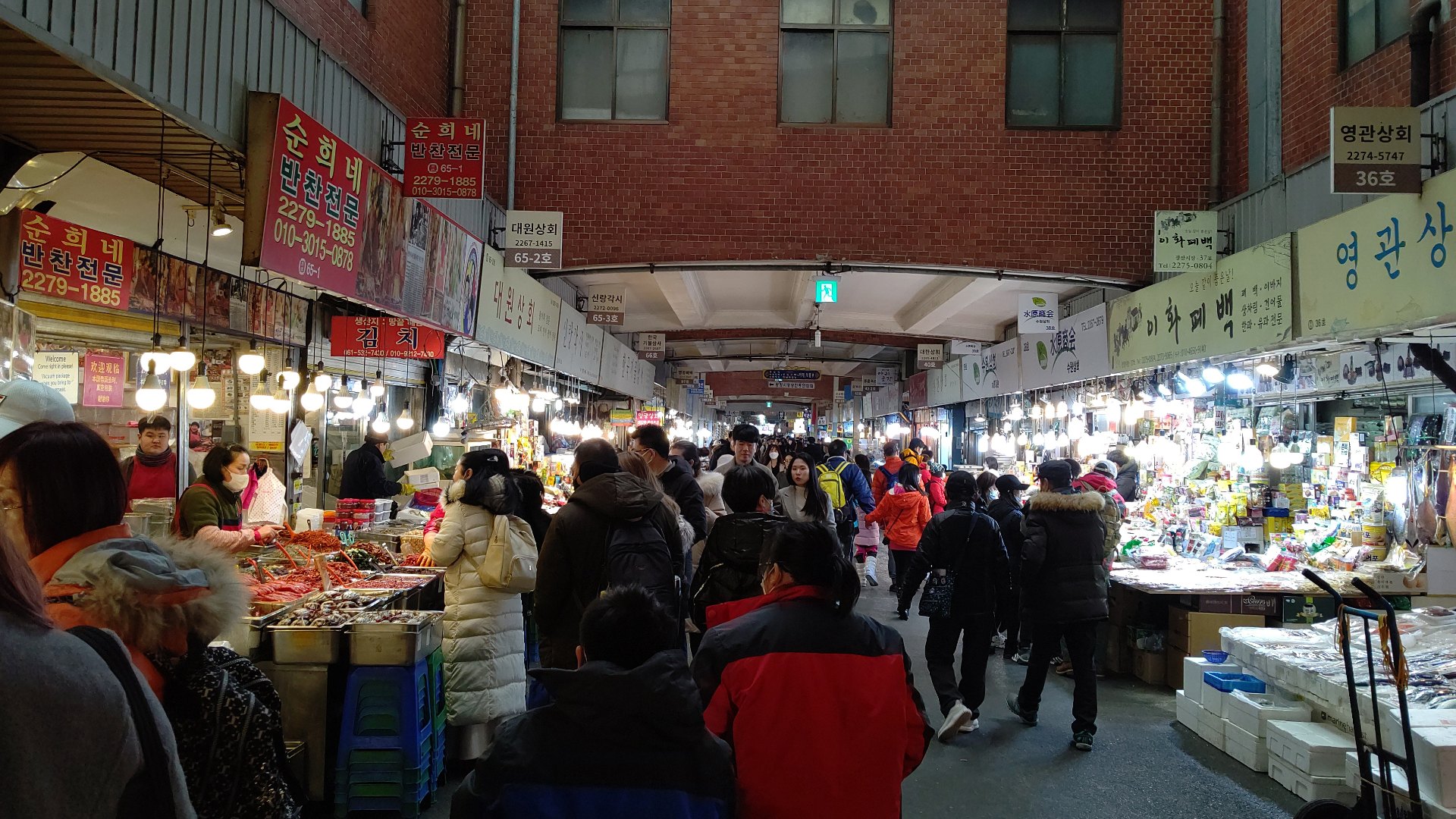
15,000 KRW Covers Three Signature Dishes! The Gwangjang Market Method—Communal Stools, Point-to-Order and Cash in Seoul’s Oldest Market

Gwangjang Market, Seoul 2020-02-01

Korea’s oldest market opened in 1905, and its canon is fixed: bindaetteok, mayak gimbap, yukhoe. Here’s the thing—slide onto a free stool, point, eat, yield the seat, and you’re in rhythm. Crowd waves and the Chuseok trap (the whole market rests 24–27 Sep) included. Field notes only.

A ₩16,000 Night Ticket Gets You to Sunrise! Jjimjilbang, Explained—the Nude/Uniform Border, the Kiln Circuit and the Realistic 2026 Pick in Korea’s Second Living Room

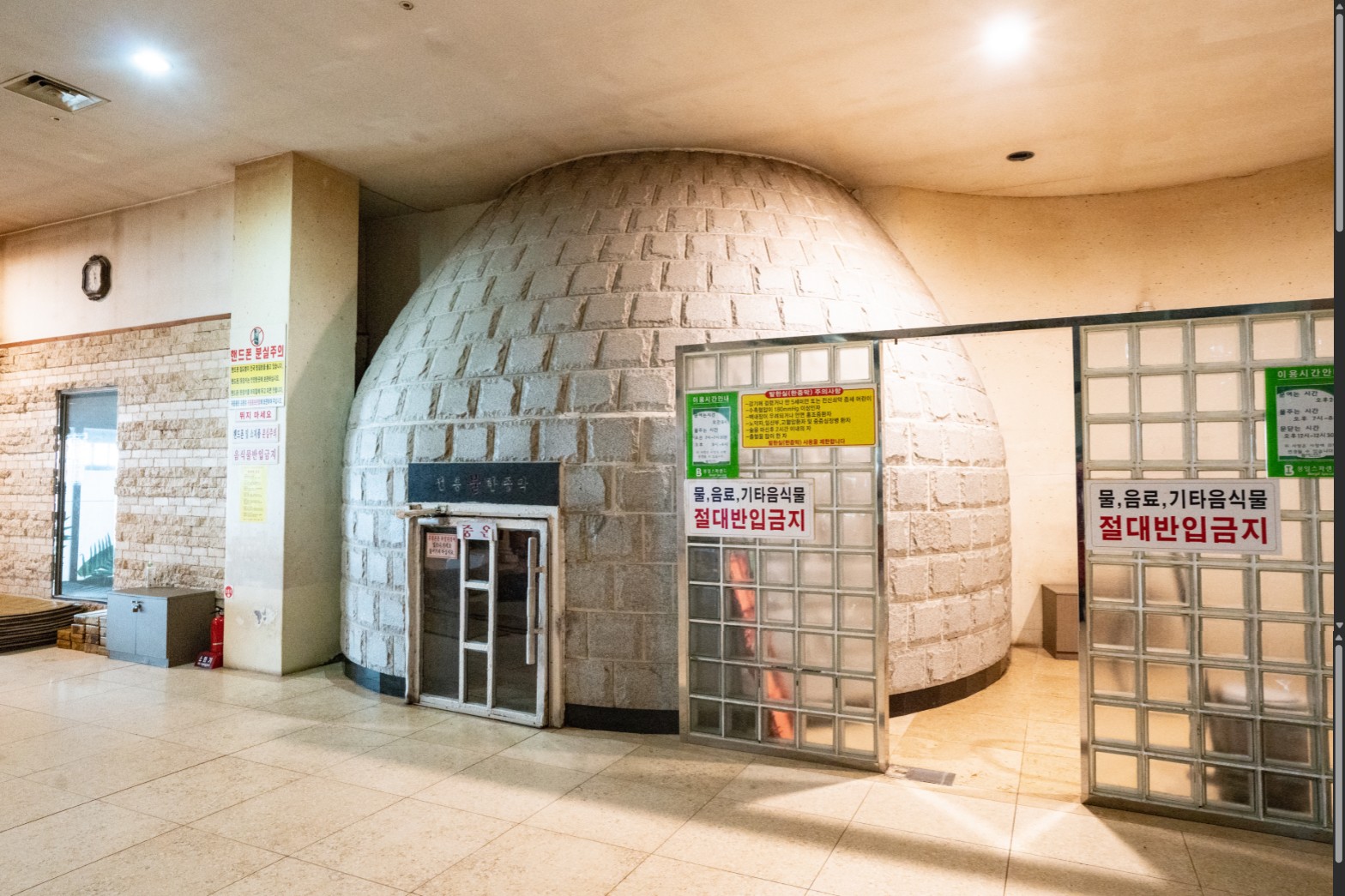
찜질방 한증막 돔 (봉일스파랜드)

“Korean spa” is about half right. Here’s the thing: a jjimjilbang is a bathhouse, sauna complex, living room, cafeteria and dormitory in one building—Korea’s second living room. Nude in the gender-separated baths, uniform on the shared floor; 80–95°C kilns in 5–10 minute sittings; and with Dragon Hill Spa shut, SpaRex Dongdaemun is the 2026 default.

Privacy PolicyDisclaimerAboutContact