- Every winter Koreans line up for fatty daebangeo (big Japanese amberjack) sashimi. Last December Noryangjin auction prices rose more than 30% in two weeks, to nearly 50,000 won a kilo.
- There is no fixed weight for “big.” One report says 8 kg and up, another says 4 kg and up, so the surest move is asking the shop for the actual weight.
- To avoid being served the cheaper busiri, check the season, body shape and fin length. The favourite cut is baekkopsal, the lower belly.

Who this guide is for
- You want to try proper in-season sashimi in Seoul this winter
- You’d like to know the going rate before ordering daebangeo at Noryangjin Fish Market
- You can’t tell amberjack from its cheaper cousin and worry about being switched
In Seoul, when a sashimi shop tapes up a “daebangeo is in” sign, winter has started. Daebangeo means “big amberjack,” and over the past few years it has become the star of winter sashimi.
The more popular it gets, the higher the price climbs. Last December, auction prices at Noryangjin Fish Market reportedly jumped more than 30% in just two weeks.
So we lined up what’s worth knowing before you eat it on a trip: when it’s best, how heavy “big” actually is, how to tell it from busiri, and which cut to ask for. The details are below.
Why does daebangeo get so expensive in winter?
✔ Because winter is when it fattens up
Amberjack builds up fat and tastes better as the water cools. According to the Korea Economic Daily, a video of the Noryangjin auction posted on 9 December 2025 went viral, and farmed domestic amberjack was fetching close to 50,000 won a kilo, more than 30% above two weeks earlier.
The same report said a 10 kg daebangeo was going for nearly 500,000 won wholesale. On the 12th, Japanese amberjack averaged 30,000 won a kilo (top bid 37,000 won), about 61% above the 18,500 won average at the start of the month. A hot summer and red tides killed large numbers of farmed fish in South Gyeongsang Province and slowed growth.
The industry expects supply to pick up and prices to settle from late January to mid-February. If you’d rather skip the December peak, late January onward is worth aiming for.
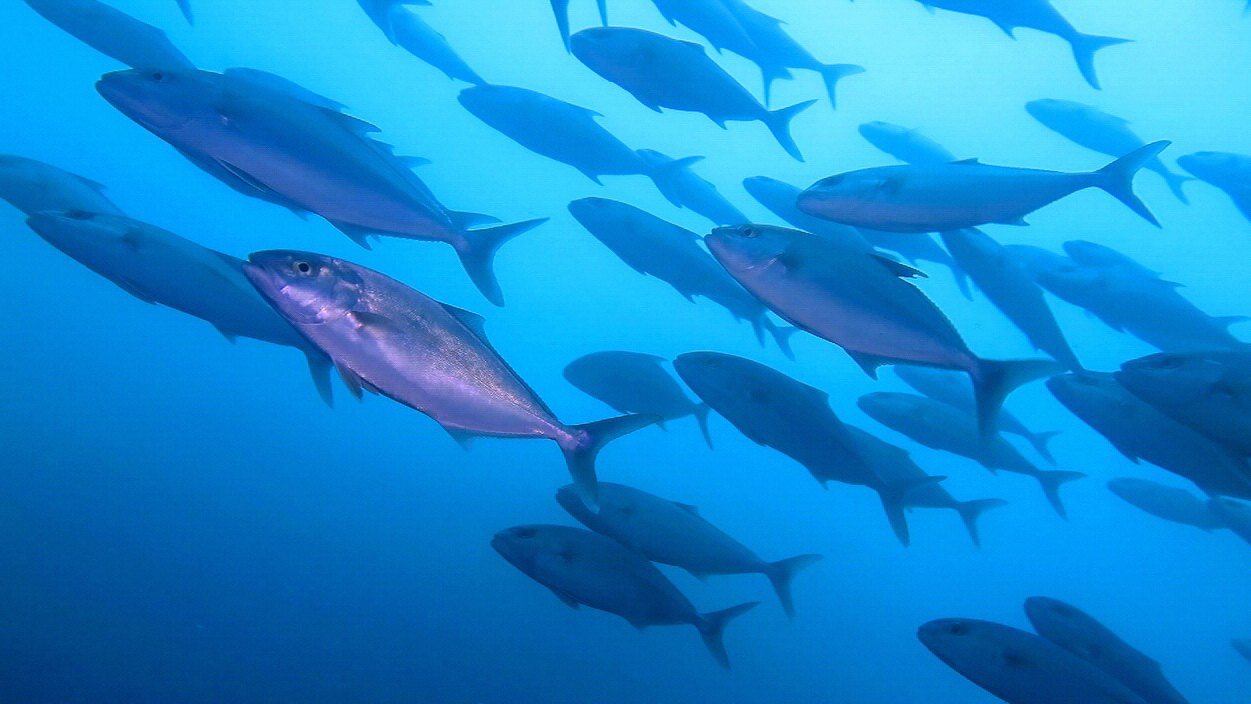
How many kilos makes it “big”? There’s no rule!
✔ Every report draws the line somewhere else
The Jeonbuk Ilbo (January 2025) gives small as 3–6 kg, medium 6–8 kg and large 8 kg and up. The Kyeongin Ilbo (November 2022) called anything over 4 kg large and over 7 kg “special.”
| Source | Small | Medium | Large (daebangeo) |
|---|---|---|---|
| Jeonbuk Ilbo (2025-01-02) | 3–6 kg | 6–8 kg | 8 kg and up |
| Kyeongin Ilbo (2022-11-30) | Up to 2 kg | 2–4 kg | 4 kg and up (7 kg+ is “special”) |
In other words, the same “daebangeo” sign can mean a 4 kg fish or a 10 kg one. The Jeonbuk Ilbo also described a shop advertising daebangeo with only small and medium fish in its tank. So just ask, “How many kilos is it?” Showing the question on your phone works fine.
How do you tell it from busiri? The price gap is fivefold!
✔ Swaps with cheaper busiri come up a lot
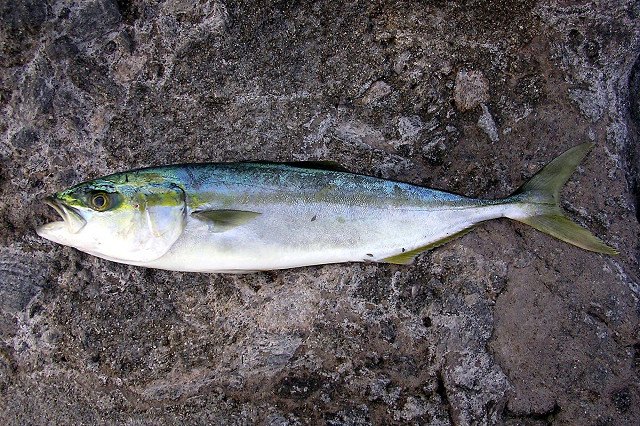
Busiri (yellowtail amberjack) looks and tastes similar but carries less fat and peaks in late summer. Per the Jeonbuk Ilbo, at the January 2025 Noryangjin auction amberjack averaged 26,166 won a kilo against 4,537 won for busiri, roughly a fivefold gap.
| Japanese amberjack (bangeo) | Yellowtail amberjack (busiri) | |
|---|---|---|
| Season | Winter (fattier as the water cools) | Late summer |
| Body | Thick and stocky | Slimmer and longer |
| Pectoral vs pelvic fin | About the same length | Pectoral fin is shorter |
| Corner at the back of the upper jaw | Angular | Slightly rounded |
| Noryangjin auction price (Jan 2025, per kg) | Domestic avg 26,166 won | Avg 4,537 won |
| Noryangjin auction price (26 Oct 2026, per kg) | Live 16,000 won | Live 8,500 won |
Metro Seoul explains that busiri has a slimmer body, a pectoral fin shorter than its pelvic fin, and a slightly rounded corner at the back of the upper jaw. Once it’s sliced, though, fat content is about the only clue, so ask to see the whole fish before it’s cut.
Which cut should you ask for?
✔ The crowd favourite is baekkopsal
The Kyeongin Ilbo explains that amberjack splits broadly into back and belly. Baekkopsal, the “navel” meat on the underside of the belly, is a firm, fatty muscle with chew and a nutty richness, and it’s the most popular cut.
The bigger the fish, the more clearly the cuts separate, so an assorted plate usually brings a little back, belly and baekkopsal. If very fatty fish isn’t your thing, ask for more back meat.
Four things to check before ordering at Noryangjin!
✔ Price, weight, species and origin
The general routine (buy downstairs, eat upstairs) is in our Noryangjin Fish Market guide, so here are just the amberjack-specific points.
- Price per kilo and actual weight: amberjack is sold by weight.
- Amberjack or busiri: ask to see the fish before it’s cut.
- Origin: domestic and Japanese fish are priced differently. Origin labels are mandatory for seafood, so check the tag.
- Upstairs charges: at Jinju Sikdang on the fifth floor, for example, the table setting fee is 5,000 won per person and the spicy stew cooking fee is also 5,000 won per person (varies by restaurant).
The Korea Economic Daily puts a 1 kg amberjack at about two servings of sashimi. The market’s premium section, where the live fish are, is open 24 hours with no closing days, which is handy if you only get there late.
✔ Also worth a read
If you’d rather skip the market and just have one plate of sashimi at a bar, see “Silbi Bar Pado, Euljiro”.
Map and getting there
674 Nodeul-ro, Dongjak-gu, Seoul. Walkable from Noryangjin Station on Lines 1 and 9. Main line 02-2254-8000.
Frequently asked questions
When is daebangeo in season?
Winter, as it gets fattier when the water cools. Prices peak in December; reports expect supply to rise and prices to ease from late January to mid-February.
How heavy is a daebangeo?
There is no single standard. Some reports say 8 kg and up, others 4 kg and up, so ask the shop for the actual weight.
How do I tell amberjack from busiri?
Busiri is slimmer, its pectoral fin is shorter than its pelvic fin, and the back corner of its upper jaw is slightly rounded. Sliced, they are hard to tell apart, so ask to see the whole fish.
Which cut is the most popular?
Baekkopsal, the meat on the underside of the belly. It is firm and fatty with a satisfying chew.
How much should two people order?
According to the Korea Economic Daily, a 1 kg amberjack makes about two servings of sashimi. Check the price per kilo and the actual weight before ordering.
- Noryangjin Fisheries official site (today’s prices, opening hours, checked 2026-10-26)
- Korea Economic Daily, Amberjack prices up 30% in two weeks (2025-12-13)
- Jeonbuk Ilbo, Winter daebangeo craze and misleading restaurants (2025-01-02)
- Kyeongin Ilbo, Amberjack cuts and sizes (2022-11-30)
- Metro Seoul, Telling amberjack from busiri (2014-10-24)
- Jinju Sikdang menu (polle, checked 2026-10-26)
Information as of 2026-10-26 (Noryangjin Fisheries official prices and hours). Amberjack prices change daily with supply, so always confirm the day’s price at the stall. Updated when things change.