
Who’ll get the most from this
- You want to eat in-season oysters in Seoul this winter
- You know bossam (boiled pork wraps) but haven’t tried the oyster version
- You worry raw oysters might upset your stomach
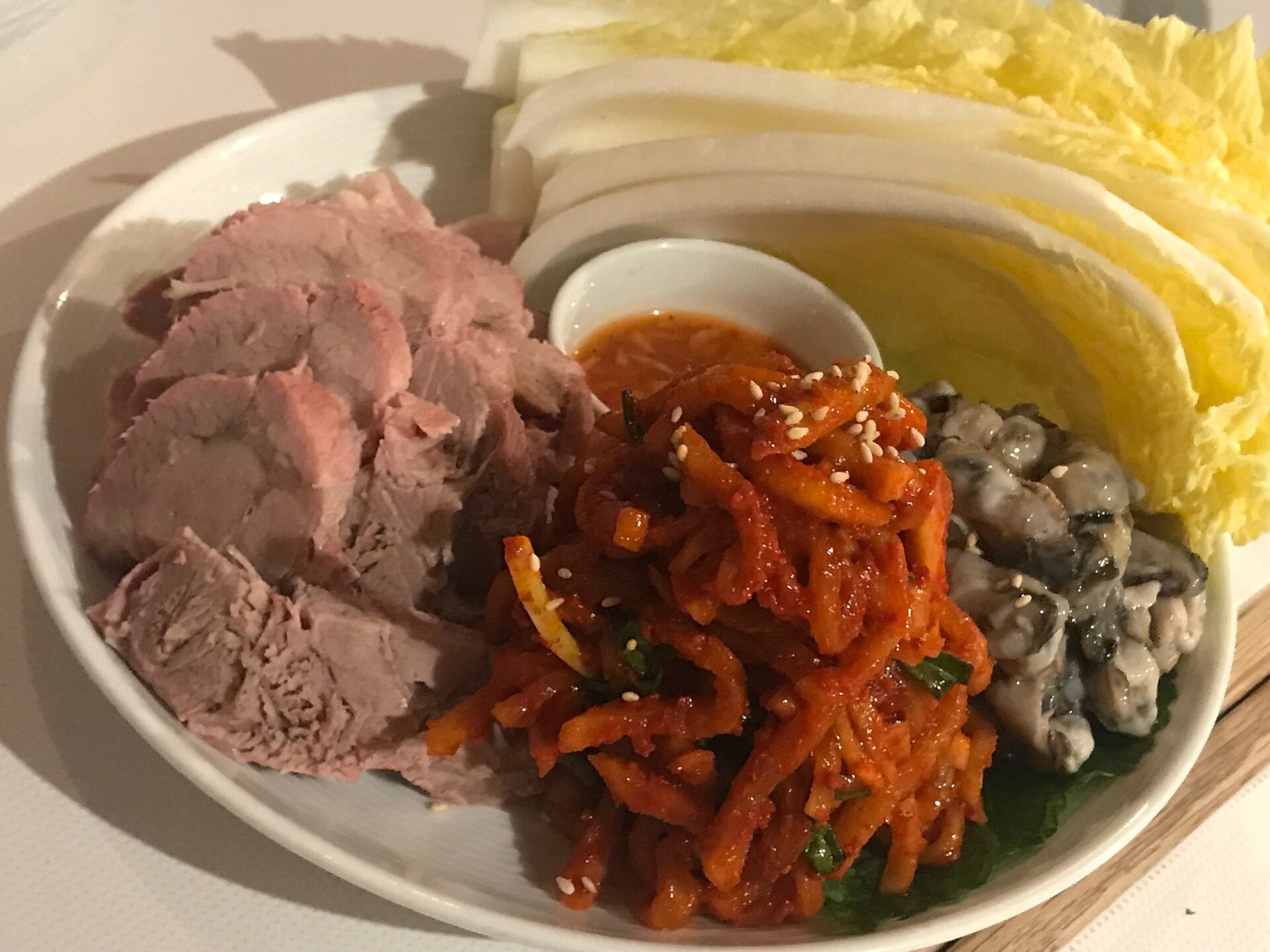
In Seoul, oyster season starts when the steam rises from the gul bossam joints in a Jongno 3-ga alley. Gul is Korean for oyster, and bossam is boiled pork eaten wrapped in cabbage.
Korea is known for cheap oysters. According to the Chosun Ilbo, the south coast supplies more than 70% of the roughly 300,000 tonnes of oysters Korea produces a year. If you’re in Seoul in season, it’s worth trying at least once.
So where do you go, what do you order and how do you wrap it? We laid out ratings and prices in the Jongno 3-ga alley, how to eat it, and what to choose if raw oysters make you nervous.
- Gul bossam is a winter dish of boiled pork, raw oysters and spicy radish kimchi wrapped in napa cabbage. More than 70% of Korea’s oysters come from the south coast.
- In Seoul, specialist restaurants cluster on Supyo-ro 20-gil in Jongno 3-ga. Samhaejip’s gul bossam starts at 32,000 won for a small, with gamjatang (pork-bone stew) on the house.
- Cooked oysters are safer. Korea’s food safety ministry advises heating oysters labelled for cooking to 85°C at the centre for at least a minute.
What exactly is gul bossam?
✔ Pork and oysters wrapped in cabbage
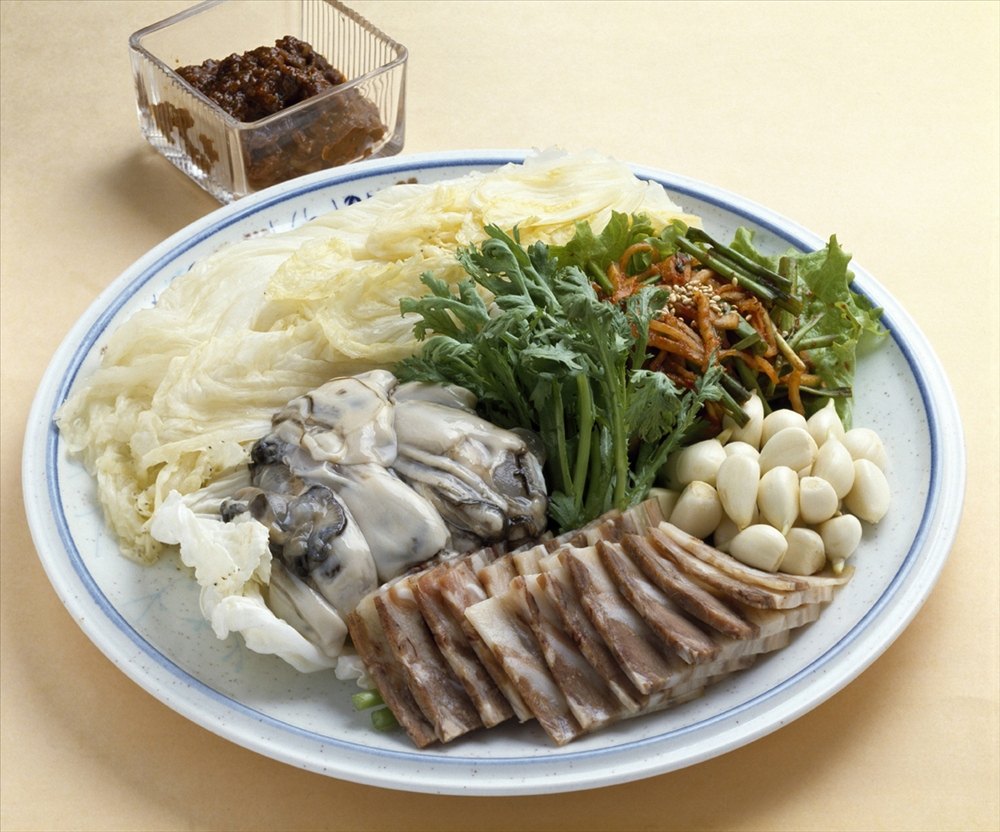
As the Seoul Shinmun (2022) describes it, gul bossam brings together salted napa cabbage, boiled pork (suyuk), raw oysters and bossam kimchi. You lay pork and an oyster on a cabbage leaf, add some red radish kimchi and eat it in one bite. The richness of the pork against the briny oyster is the whole point.
Oysters get good once the cold winds start. The Chosun Ilbo reported in November 2025 that a Tongyeong shucking plant ships shelled oysters from October through April. Think of November to February as the easiest window.
Where can you eat it in Seoul?
✔ An alley in Jongno 3-ga is the hub
Around the old Pimatgol lanes in Jongno 3-ga, Supyo-ro 20-gil is lined with gul bossam restaurants, which the Seoul Shinmun calls “gul bossam street.” Esquire Korea (2023) named Samhaejip the longest-running place in the alley.
| Restaurant | Google rating | Hours | Notes |
|---|---|---|---|
| Samhaejip, Jongno | ★4.0 (1,317) | Daily 10:30–02:00 | Gul bossam S 32,000 / M 40,000 / L 48,000 won |
| Janggun Gul Bossam | ★3.9 (722) | 11:30–23:00 | A review mentions “45,000 won for a large” |
| Heungbuga | ★4.2 (209) | Until 03:00 | Same alley, open late |
No restaurant in the alley meets this site’s usual bar (Google ★4.5 with 100+ reviews). Samhaejip still has the most reviews at 1,317, and its signature is the free gamjatang that comes with any bossam order. It stays open late, so it works as a second stop after dinner too.
How do you order and wrap it?
✔ Small for two, medium for three or four
You order by size. On Samhaejip’s posted menu, gul bossam is 32,000 won small, 40,000 medium and 48,000 large. There’s also plain pork bossam (29,000 won small), so it works if someone in your group skips oysters.
Just like Korean barbecue, one wrap is one bite. For ordering and using leafy wraps, our Korean barbecue ordering guide helps too.
Worried about raw oysters?
✔ Cooked oyster dishes are the safe bet
The winter risk with oysters is norovirus. Korea’s Ministry of Food and Drug Safety says norovirus is weak against heat, so cooked oysters are safer than raw, and oysters labelled “for cooking” should be heated to 85°C at the centre for at least a minute. Even a small amount can cause stomach pain, vomiting and diarrhoea.
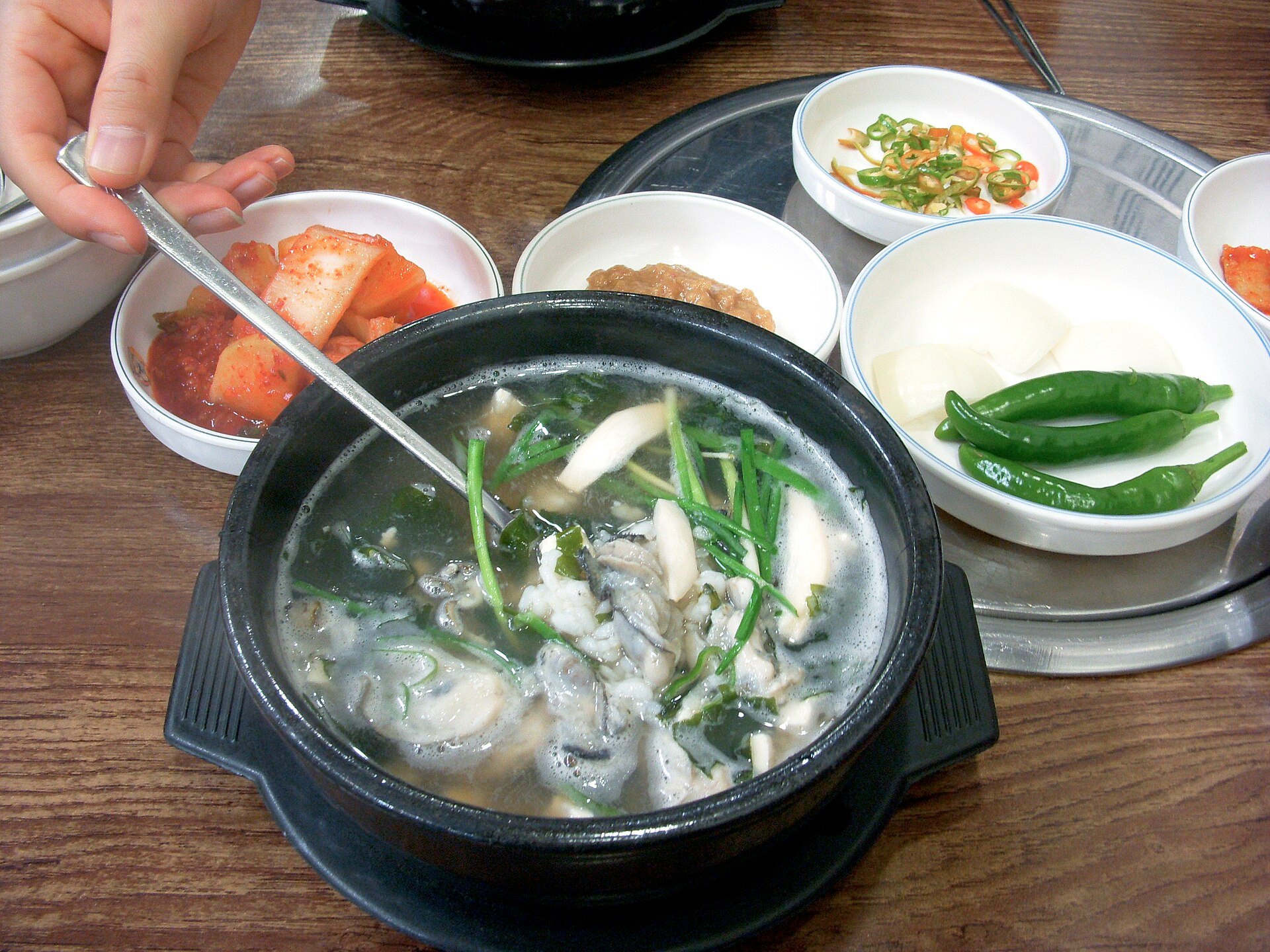
If you can’t afford to be ill on a trip, try gulgukbap (oyster rice soup) or guljeon (oyster pancakes), both loaded with oysters. Plenty of people at gul bossam places also ask to leave the oysters off and just have the pork.
✔ Also worth a read
To buy oysters and shellfish at the market and eat them there, see “Noryangjin Fish Market”.
Map and getting there
Samhaejip Jongno: 16-15 Supyo-ro 20-gil, Jongno-gu, Seoul. Walkable from Jongno 3-ga Station on Lines 1, 3 and 5. Phone 02-2273-0266.
You might be wondering
What is gul bossam?
A Korean winter dish of boiled pork, raw oysters and radish kimchi wrapped in napa cabbage.
Where can I eat it in Seoul?
Specialist restaurants cluster on Supyo-ro 20-gil in Jongno 3-ga. Samhaejip Jongno is open daily 10:30 to 02:00 (Google Maps, checked 2026-10-26).
How much does it cost?
On Samhaejip’s posted menu, gul bossam is 32,000 won small, 40,000 medium and 48,000 large. Confirm prices in the restaurant.
Are raw oysters safe?
Korea’s food safety ministry says cooked oysters are safer and advises heating cooking oysters to 85°C at the centre for at least a minute. If in doubt, choose cooked dishes like gulgukbap.
When are oysters in season?
From late autumn, when the cold winds start, through winter. Tongyeong shucking plants ship from October to April.
- Seoul Shinmun, Raw or steamed, in season from now (2022-11-11)
- Chosun Ilbo, Mountains of oysters to shuck (2025-11-08)
- Ministry of Food and Drug Safety webzine, Oysters and norovirus (February 2025)
- Esquire Korea, Samhaejip in Jongno (2023-08-03)
- polle, Samhaejip menu (checked 2026-10-26)
- Google Maps, Gul bossam restaurants on Supyo-ro 20-gil (ratings and hours, checked 2026-10-26)
Information as of 2026-10-26 (Google Maps ratings and hours, posted menu). Prices can change, so confirm before ordering. We update this page when the facts move.