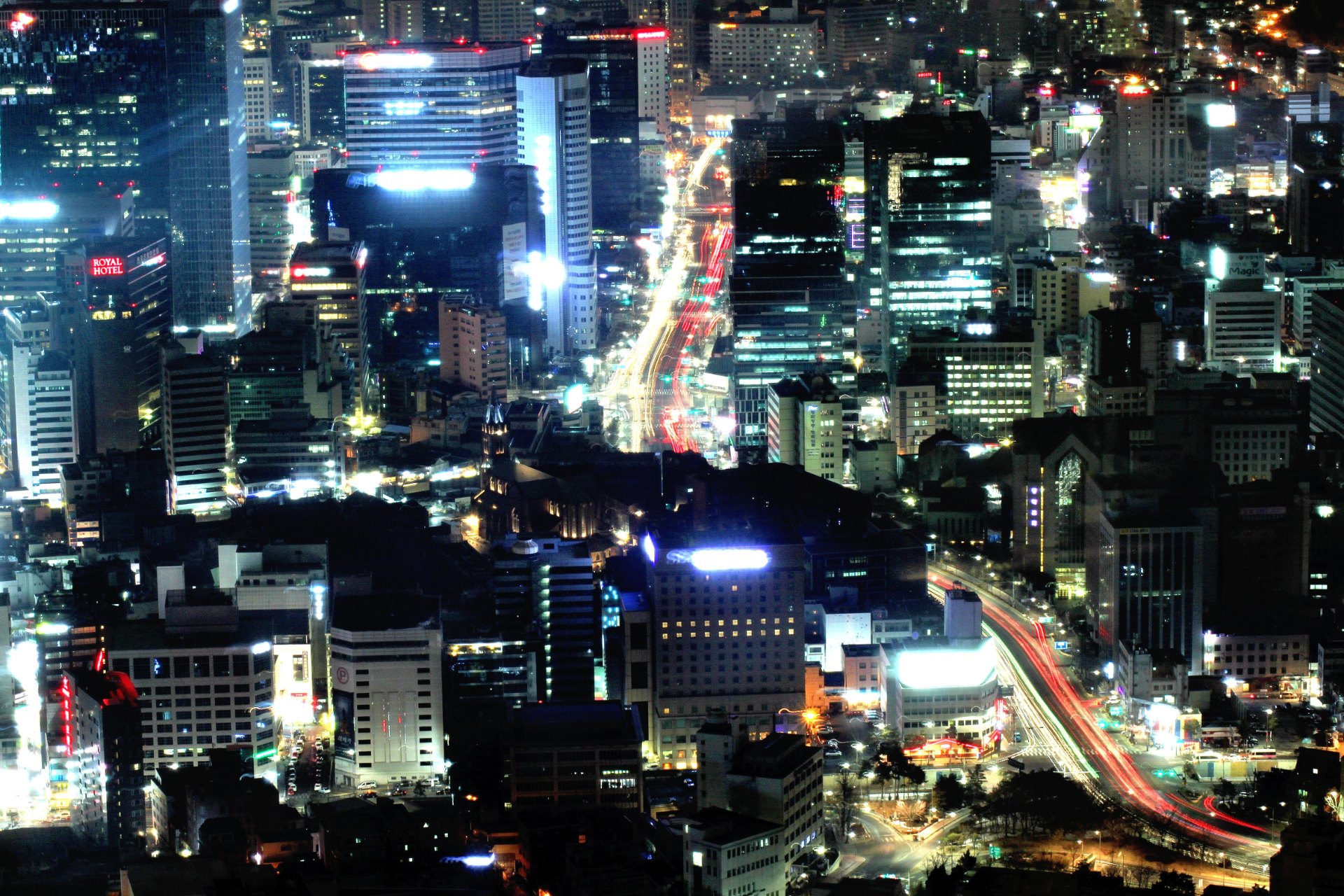
- Seoul’s metro stops early.
- If it is your first trip and you cannot decide, stay in Myeongdong.
- Hongdae has two real advantages.
Who this is for
- Anyone frozen at “Myeongdong or Hongdae?” with the booking page open
- People planning to drink until two who are still choosing by distance to the palace
- Repeat visitors who’d rather escape the tourist-district atmosphere this time
Where you sleep shapes a trip more than what you go to see. The reason has nothing to do with daytime.
A thirty-minute journey at two in the afternoon is part of the sightseeing. The same thirty minutes at eleven at night, with sore feet and full shopping bags, feels like an hour. Choosing a neighbourhood is really a decision about how much you’re willing to pay to shorten that one journey.
“So which one?” Seoul splits into four realistic options: Myeongdong, Hongdae, Gangnam and Seongsu. Each suits a distinctly different traveller, so let’s take them in turn. Let’s get into it.
Contents
1. The decision is about nights, not days
2. Myeongdong — the safe first choice, at a price
3. Hongdae — for people whose nights run long
4. Gangnam — expensive, but quiet
5. Seongsu — the option that is rising in 2026
6. The four compared, and how to choose
7. Frequently asked questions
1. The Last Train Leaves Around Midnight! The Decision Is About Nights, Not Days
✔ Seoul’s metro stops early
Depending on the line, the last train leaves most stations around midnight. Late-night taxi fares carry a surcharge, and on Friday and Saturday nights there are stretches where you simply cannot get one in the entertainment districts.
So the criterion isn’t proximity to attractions. It’s whether you can walk home from wherever you’ll be at night. Someone who drinks until two and someone who wants to be in their room by ten need opposite answers.
There’s also the airport run at each end of the trip. Whether the AREX train or a limousine bus works better depends on which neighbourhood you pick.
✔ Got this far? Then this is your next move. “Seoul in Four Days Is Built on One District a Day” is the step after.
2. Hard to Get Wrong, but Pricier? Myeongdong—the Safe First Choice, at a Price
✔ Can’t decide? Stay in Myeongdong
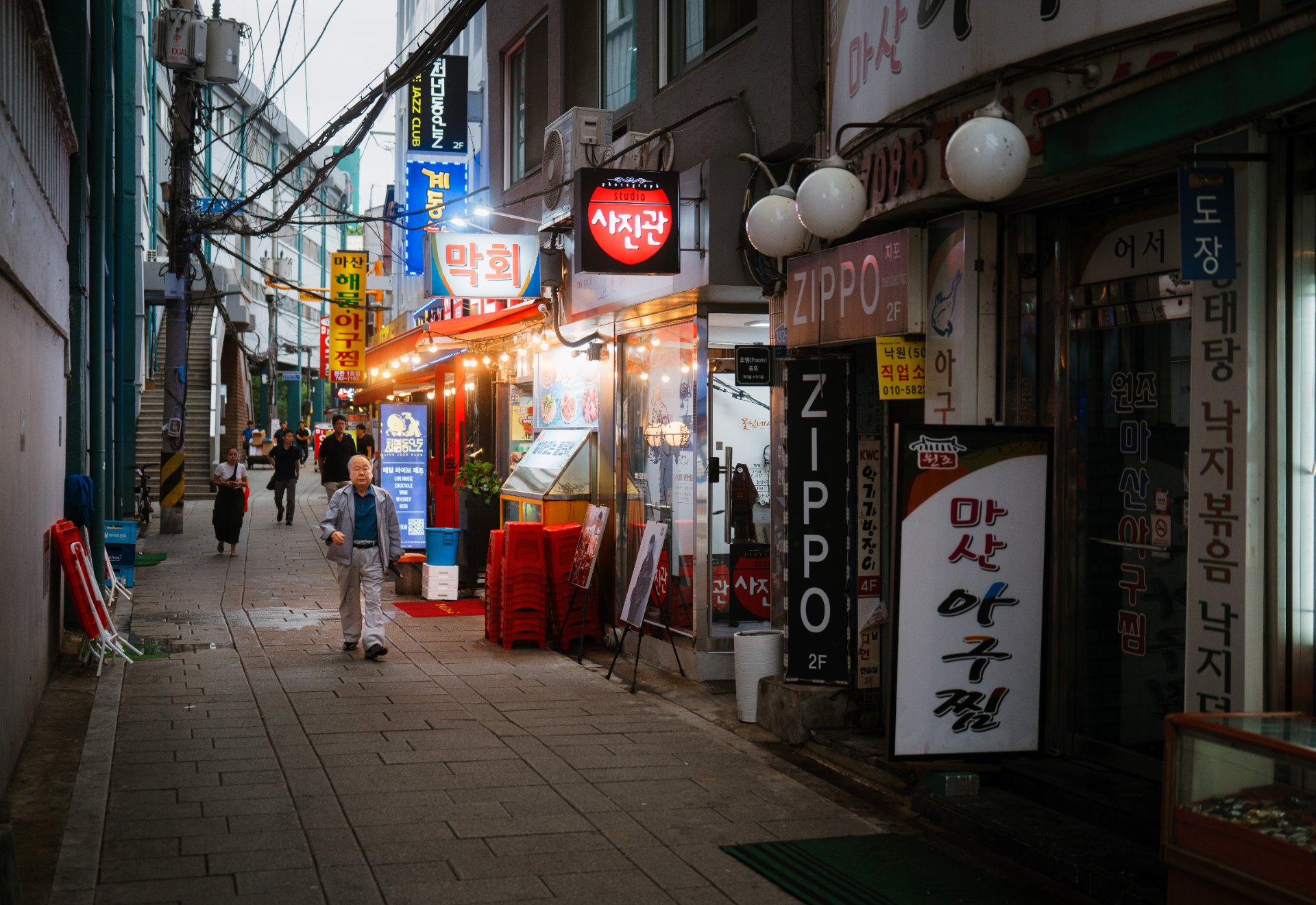
The reason is simple: it’s hard to get wrong. It sits between Myeongdong station on Line 4 and Euljiro 1-ga on Line 2, has airport limousine stops, and puts 24-hour restaurants, convenience stores and pharmacies within a short walk. A midnight arrival is not a problem.
Two costs. It’s more expensive than equivalent rooms elsewhere. And you won’t see everyday Seoul—Myeongdong is optimised for visitors, with shop signs in Japanese and Chinese. That’s both reassuring and, after a couple of days, a little thin.
Suits: first trips, short stays, families, late arrivals.
3. Direct Airport Train and Late Nights! Hongdae—for People Whose Nights Run Long
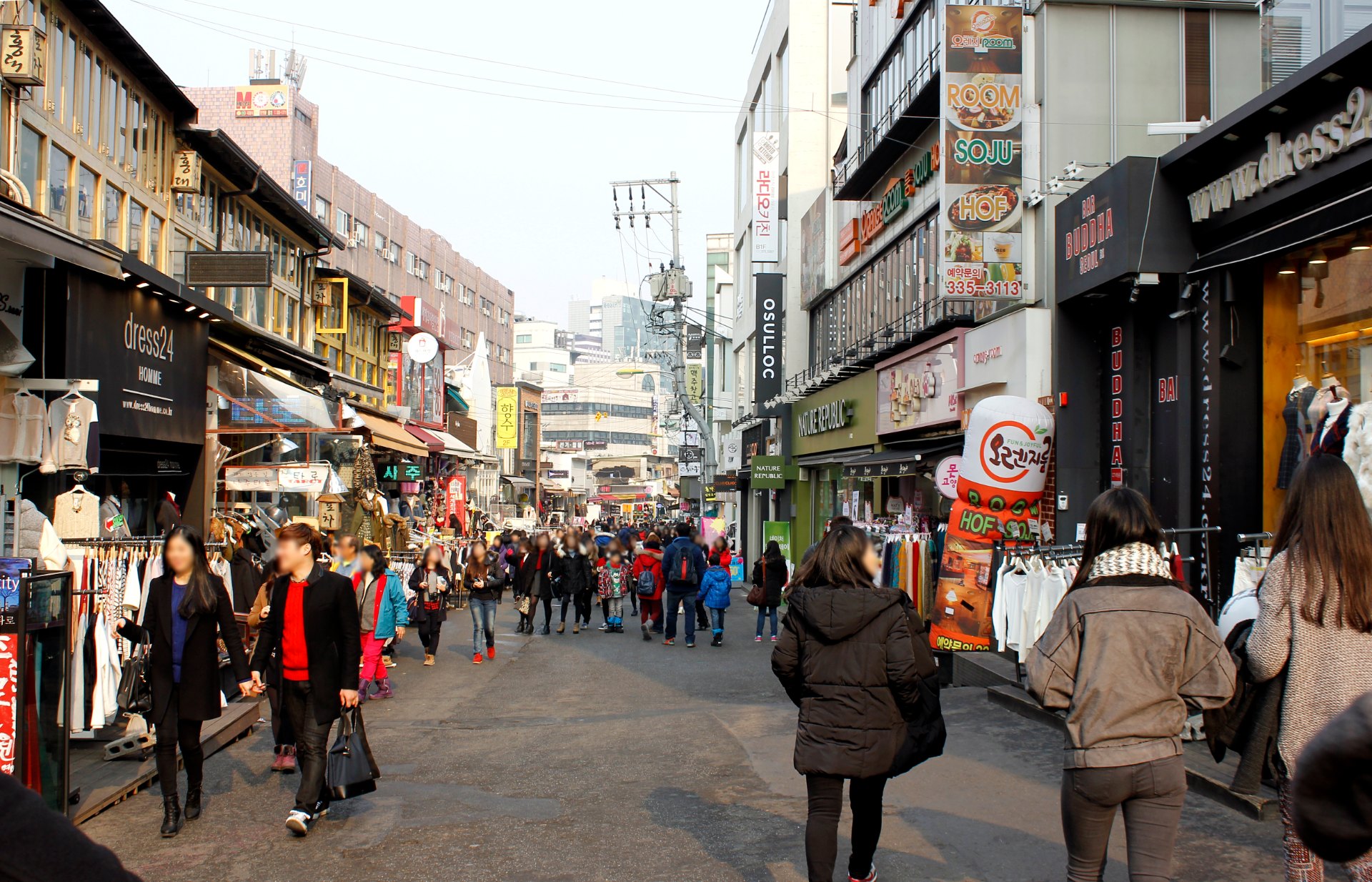
✔ Hongdae has two real advantages
The AREX airport line runs directly to Hongik University station, so you arrive from Incheon without a transfer. And the neighbourhood stays open late, which matters when you’re hungry at one in the morning.
Its weakness is the same fact. A district that stays awake is a district that stays loud. Cheaper rooms on the main streets pick up noise on Friday and Saturday nights. Light sleepers should look at the Yeonnam side, or two to three blocks back from the station.
Suits: twenties and thirties, night owls, music and bars, early or red-eye budget flights.
4. You’re Buying Silence! Gangnam—Expensive, but Quiet
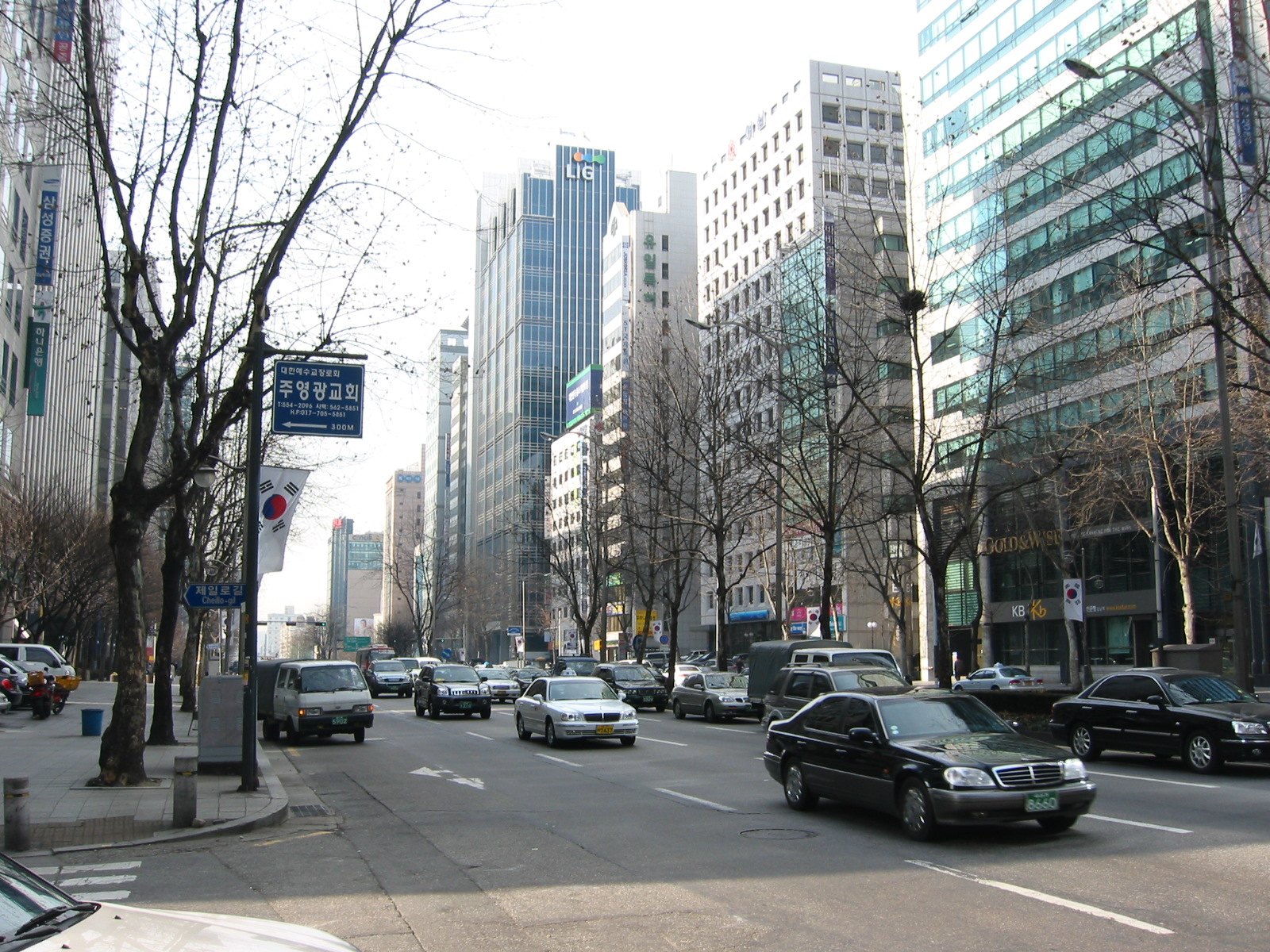
✔ Gangnam is the priciest of the four
What you’re buying, though, is not the address—it’s quiet and floor space. The offices empty after dark, and rooms at a given price tend to be larger than their equivalents north of the river.
The practical advantage is the airport bus: plenty of limousine routes stop across Gangnam, which makes moving with a suitcase far easier. The trade-off is distance—Jongno, with the palaces and markets, is about forty minutes away by metro. Shopping and eating, stay in Gangnam; history and back alleys, stay north.
Suits: business trips, light sleepers, anyone here mainly for Gangnam shopping or clinics.
5. The Return-Trip Pick! Seongsu—the Option That Is Rising in 2026
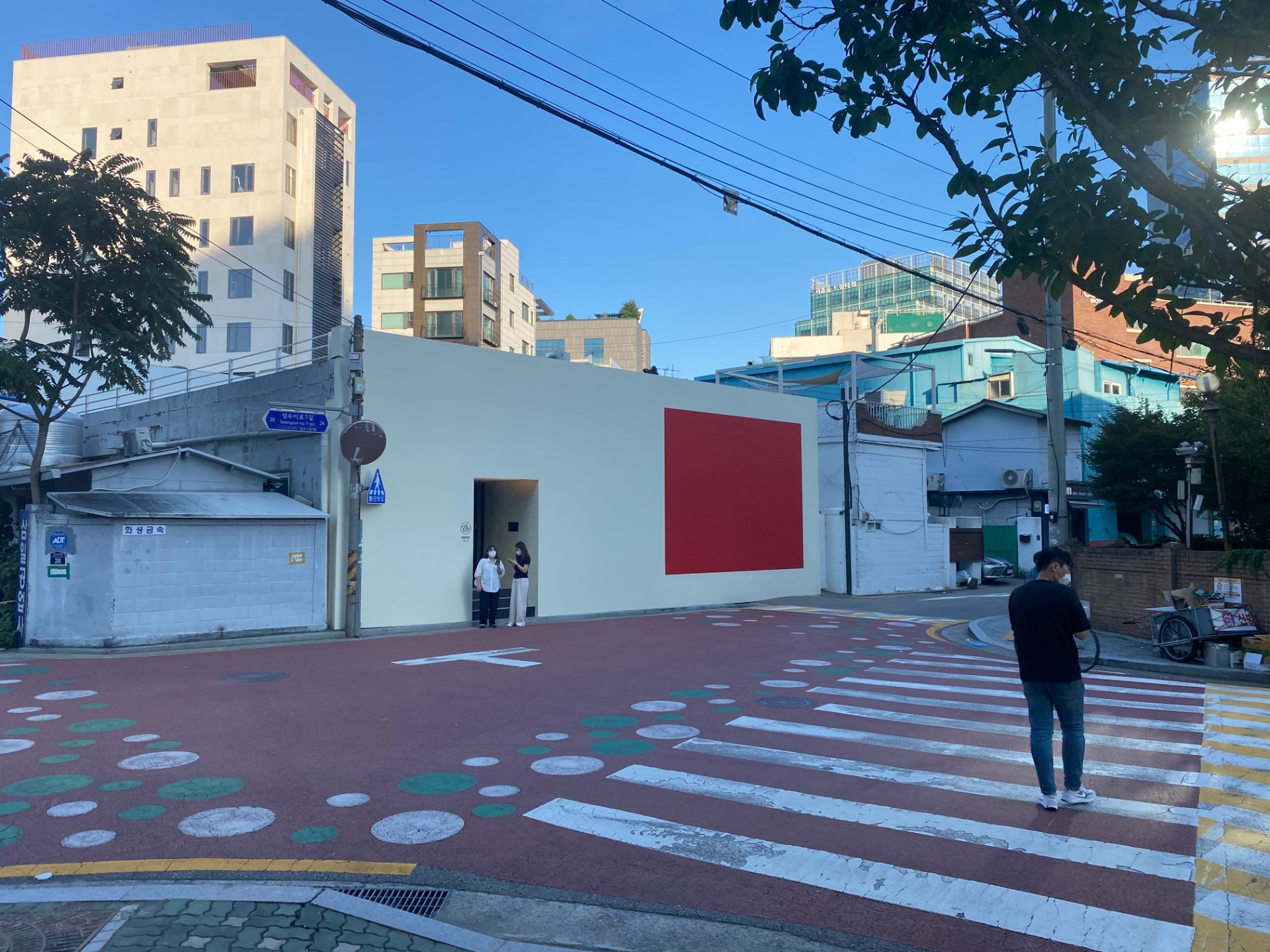
✔ Seongsu has changed more than anywhere else
Cafés and brand showrooms moved into the old factory blocks, and small hotels and serviced apartments followed. For anyone allergic to the tourist-district atmosphere, this is currently the most interesting choice in the city.
Two warnings. There are still few rooms, so holiday weekends sell out fast. And there’s no direct link from the airport—Line 2 serves the area, but you’ll always change trains coming from Incheon. That first-day suitcase journey takes more effort than it would to Myeongdong or Hongdae.
Suits: repeat visitors, photographers, café people, quiet walking.
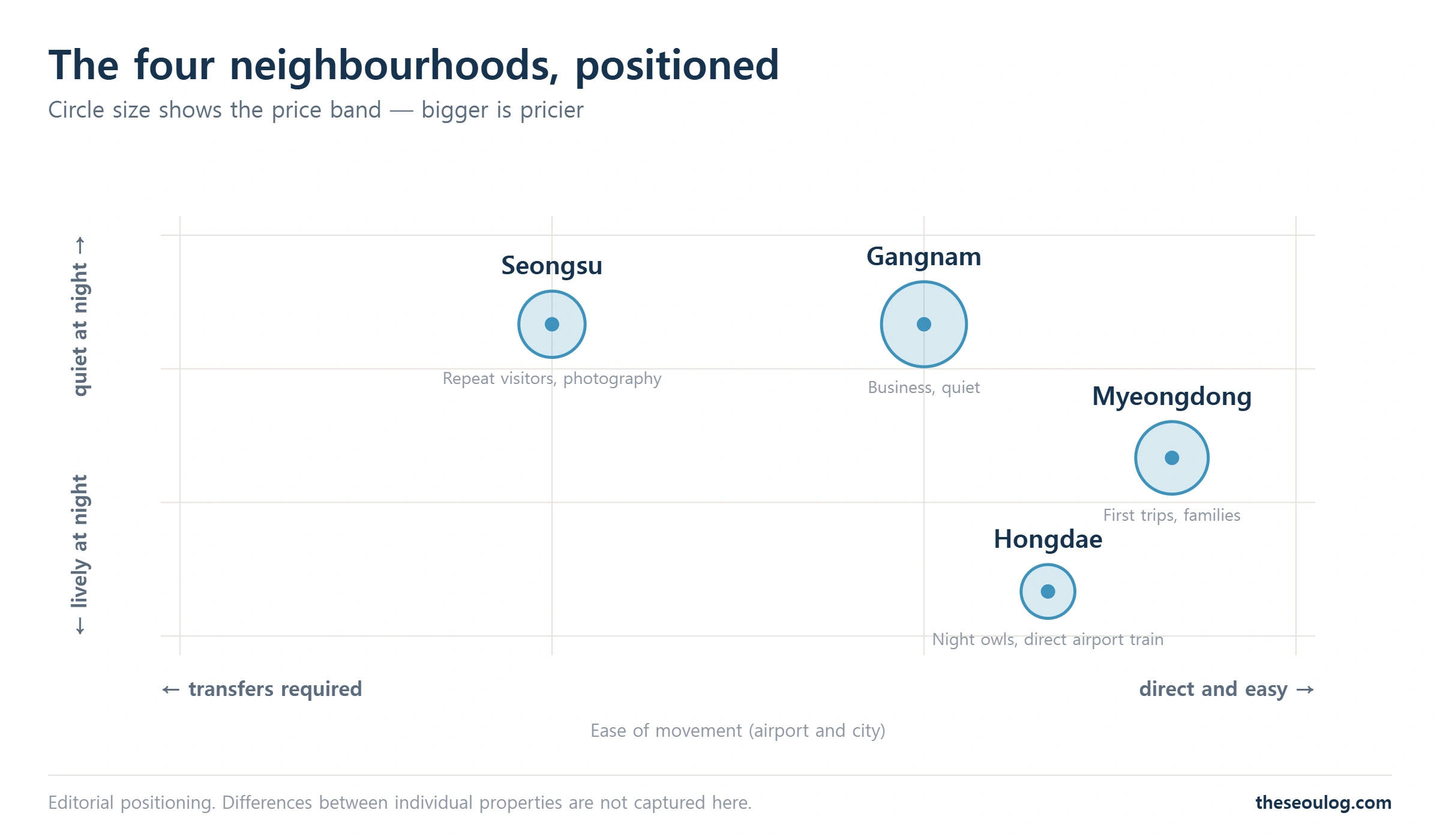
6. Nine in Ten Get It Right With This! The Four Compared, and How to Choose
| Myeongdong | Hongdae | Gangnam | Seongsu | |
| Price | High | Lower | Highest | Mid to high |
| From the airport | Direct limousine | Direct AREX train | Direct limousine | Transfer required |
| Quiet at night | Average | Loud | Quiet | Quiet |
| To palaces & markets | Close | Average | Far | Average |
| Suits | First trip, families | Night owls | Business, quiet | Repeat visitors |
✔ The short version
Myeongdong first time, Hongdae if you stay up, Gangnam if you’re buying silence, Seongsu on a return trip. That gets nine people in ten to the right answer.
The tenth is Jongno—walking distance to the palaces and markets, cheaper than Myeongdong, quieter than Hongdae, with fewer options after dark. If you’re building a palace-centred itinerary, it’s worth a look. Picture yourself at eleven at night, then pick the room!
If you are coming in autumn 2026, book early. The Chuseok holiday runs from Thursday 24 to Sunday 27 September, and more public holidays follow in early October. Room rates across Seoul rise over this period and the popular neighbourhoods fill first. Once your dates are fixed, secure the room even if nothing else is settled.
In short
• Judge by whether you can walk home at night, not by daytime proximity
• Myeongdong is the safe first choice; you pay in money and in sameness
• Hongdae has the direct airport train and late nights — and the noise
• Gangnam buys quiet and space, but Jongno is far
• Seongsu suits repeat visitors; expect a transfer from the airport
• Book early for Chuseok (24–27 September) and the early-October holidays
Frequently asked questions
Which area of Seoul is most convenient?
It depends what you mean. For ease of movement, Myeongdong; for late nights, Hongdae; for quiet, Gangnam. No single area does all three. Choose based on where you will be at night.
I have heard Myeongdong is overpriced.
Rooms of a given standard do cost more than elsewhere. But if you land late, or it is your first trip and you are unsure of your bearings, that premium works as insurance.
Is Hongdae noisy?
On the main streets, yes, on Friday and Saturday nights. Choose the Yeonnam side or a place two to three blocks from the station and it quietens down considerably.
Is Seongsu inconvenient?
Not for getting around the city — Line 2 handles that. The inconvenience is the airport run, which always involves a transfer. Some people stay elsewhere on the first and last nights.
How far ahead should I book for the holidays?
Chuseok 2026 runs 24–27 September, with further holidays in early October. If you are travelling then, book as soon as your dates are set. Options thin out and prices climb the closer you get.
Information current as of 11 August 2026. Room rates and journey times vary by season.
Sources: Korea Tourism Organization · Seoul city transport information · 2026 public holiday calendar (Chuseok, 24–27 September). Photographs: Wikimedia Commons
This article is based on the official information below. Rules can change, so please check the original before you travel.
· KORAIL (Korea Railroad) official site
Information as of 2026-08-26 (official listings and Google Maps as shown at publication). Updated when things change.