- Kimjang is the annual gathering of family and neighbors, from mid-November to early December, to make the winter’s kimchi; UNESCO inscribed it in 2013, and the heart of the listing is “making and sharing.”
- Foreigners can try it at Museum Kimchikan in Insadong, with reservation-only programs, or in the 1–2 hour classes listed on Klook and KKday for 20,000–50,000 won: rub the paste into salted cabbage and carry it home in a sealed tub.
- Seoul’s Kimjang Culture Festival runs in early November around Gwanghwamun and Seoul Plaza with slots for foreigners; the 2026 dates are announced by the city in October.
Who this is for
- Anyone in Seoul in November who wants one season-only experience
- People who want to get their own homemade kimchi home in one piece
- Anyone who’d like to walk the markets while kimjang season is on
Come November, mountains of napa cabbage and sacks of radish pile up at supermarket entrances, and the markets smell more strongly of chili powder and salted shrimp. It’s kimjang season. Families and neighbors gather, salt dozens of cabbages, and rub in the seasoning the next day. The day’s work ends with everyone eating the fresh kimchi with boiled pork, bossam, on the spot.
This ritual of making and sharing was inscribed by UNESCO in 2013 and has become a seasonal Korean experience open to foreigners. The kimchi museum in Insadong runs reservation-only sessions, travel sites list one- to two-hour classes, and the city of Seoul holds a Kimjang Culture Festival around Gwanghwamun in early November with places set aside for foreign visitors.
“So where do I make it, and how do I get it home?” Here’s the thing: this guide covers what kimjang involves, where to try it and what it costs, how to carry your kimchi home, and how to enjoy the markets while the season is on. Let’s get into it.
Not the Food but the Culture? What Kimjang Is — Make It, Share It
✔ The whole winter’s kimchi, made at once
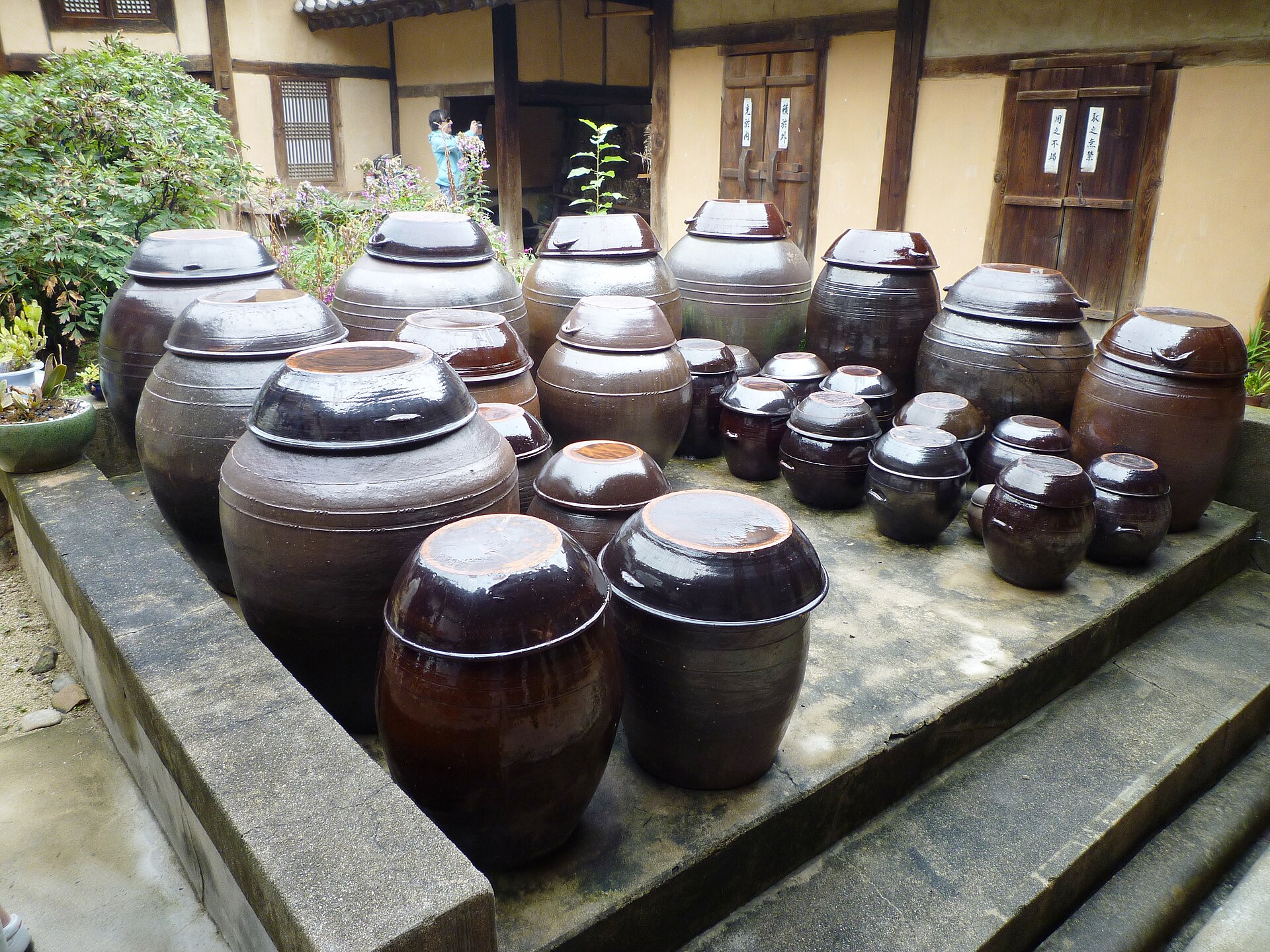
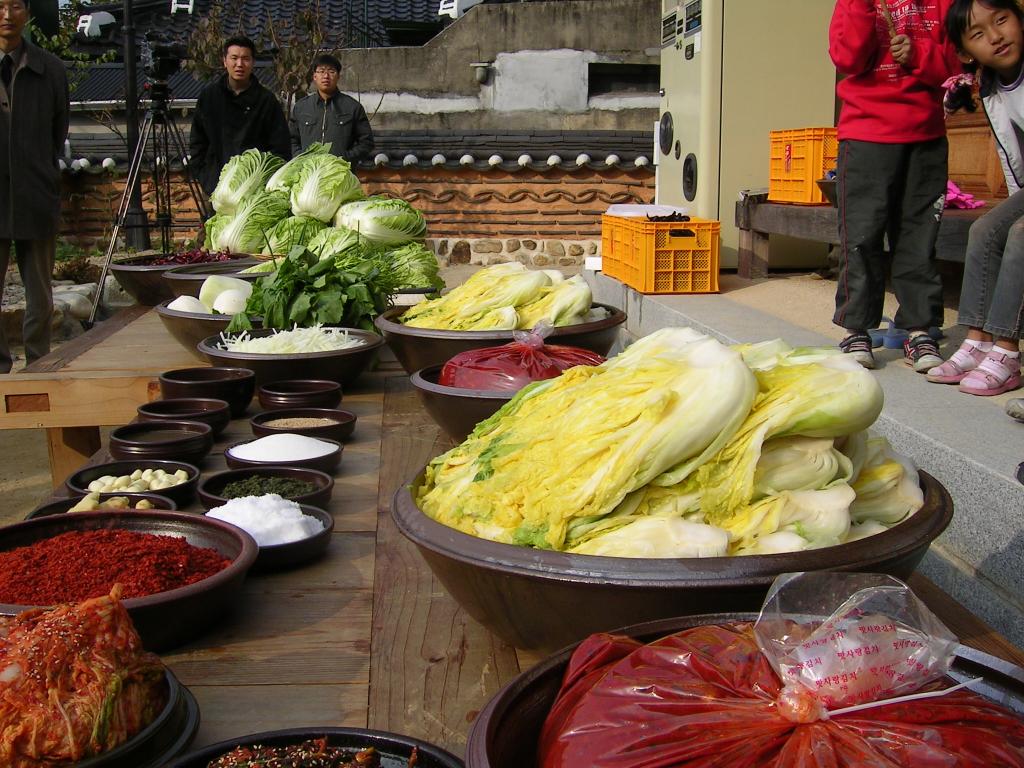
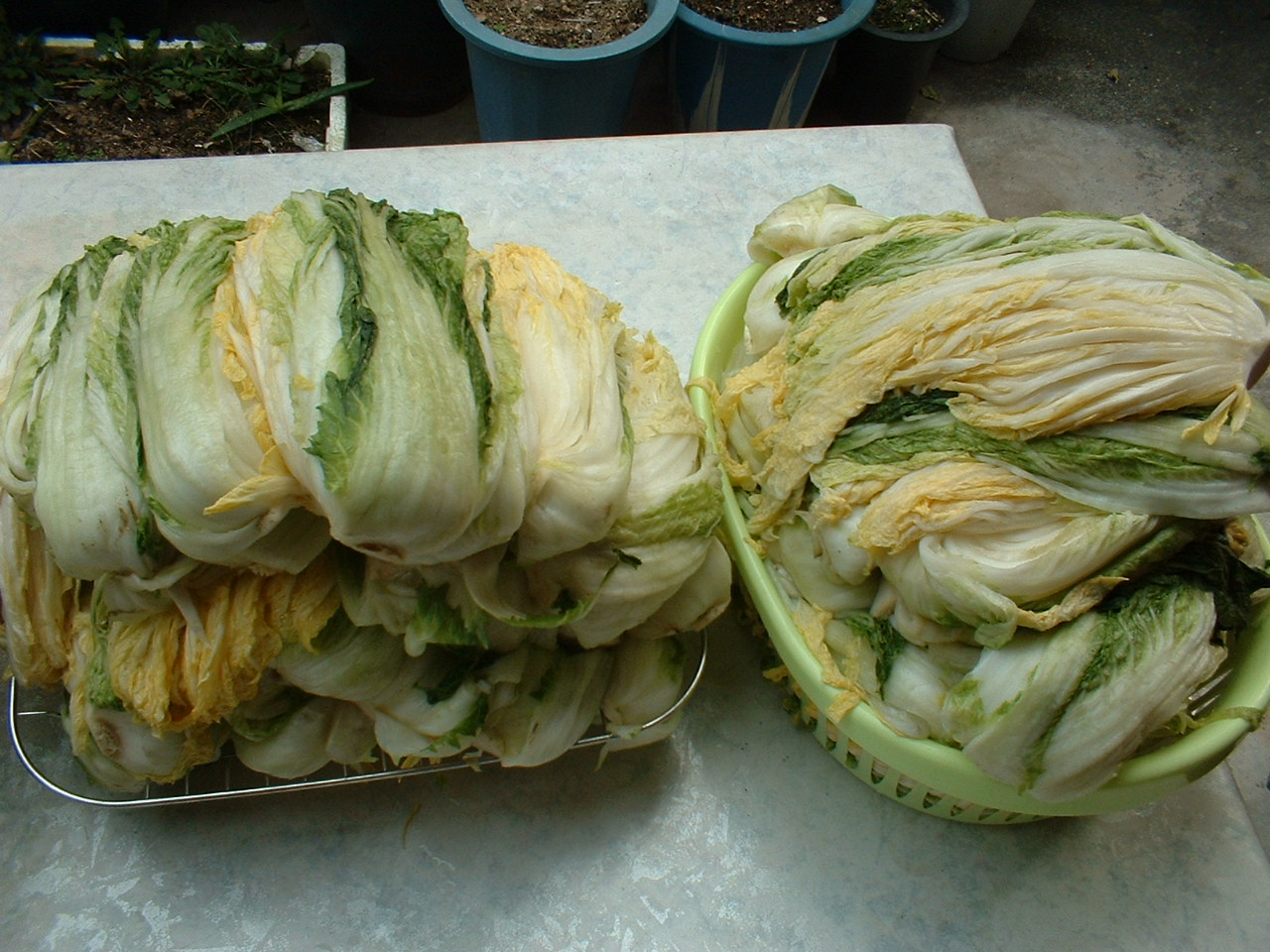
Kimjang means making the whole winter’s kimchi at once, from mid-November to early December. Cabbages are halved and salted overnight, drained, then a paste of chili powder, garlic, ginger, fish sauce, salted shrimp and julienned radish is rubbed into every leaf. The heads go whole into containers—once earthenware jars buried in the ground, now the kimchi refrigerator.
What UNESCO inscribed in 2013 wasn’t kimchi the food but “kimjang, the making and sharing of kimchi.” The finished kimchi is given to neighbors and relatives and delivered to people living alone; it was that collective work and distribution that was recognized. Which is why, in classes for foreigners, taking your own kimchi home is part of the experience.
| Experience | Place · station | Time | Price guide | Notes |
|---|---|---|---|---|
| Museum Kimchikan programs | Insadong (Anguk Station, Line 3, exit 6, 5-min walk), floors 4–6 of Insadong Maru | 1–1.5 hours | Admission about 5,000 won plus the program fee | Tue–Sun 10:00–18:00, closed Mondays. Reservation only. Combine with the exhibition |
| Travel-site classes (Klook, KKday, Creatrip) | Insadong, Myeongdong, Hongdae and elsewhere | 1–2 hours | 20,000–50,000 won | Instructors in English, Chinese and Japanese. Some pair with a hanbok session |
| Seoul Kimjang Culture Festival | Gwanghwamun and Seoul Plaza | About an hour | Free to a few thousand won for the cabbage | Early November each year. Foreigner slots. 2026 dates announced in October |
| One-day cooking classes | Hongdae, Gangnam and elsewhere | 2–3 hours | 50,000–100,000 won | Kimchi plus pancakes and more. Small groups |
✔ Here’s the question that comes next. “The Gwangjang Market Method” picks up right where this leaves off.
A Batch Within an Hour, Even for a First-Timer! Where to Try It — the Insadong Kimchi Museum and the 1–2 Hour Classes
✔ The permanent, reliable option is in Insadong
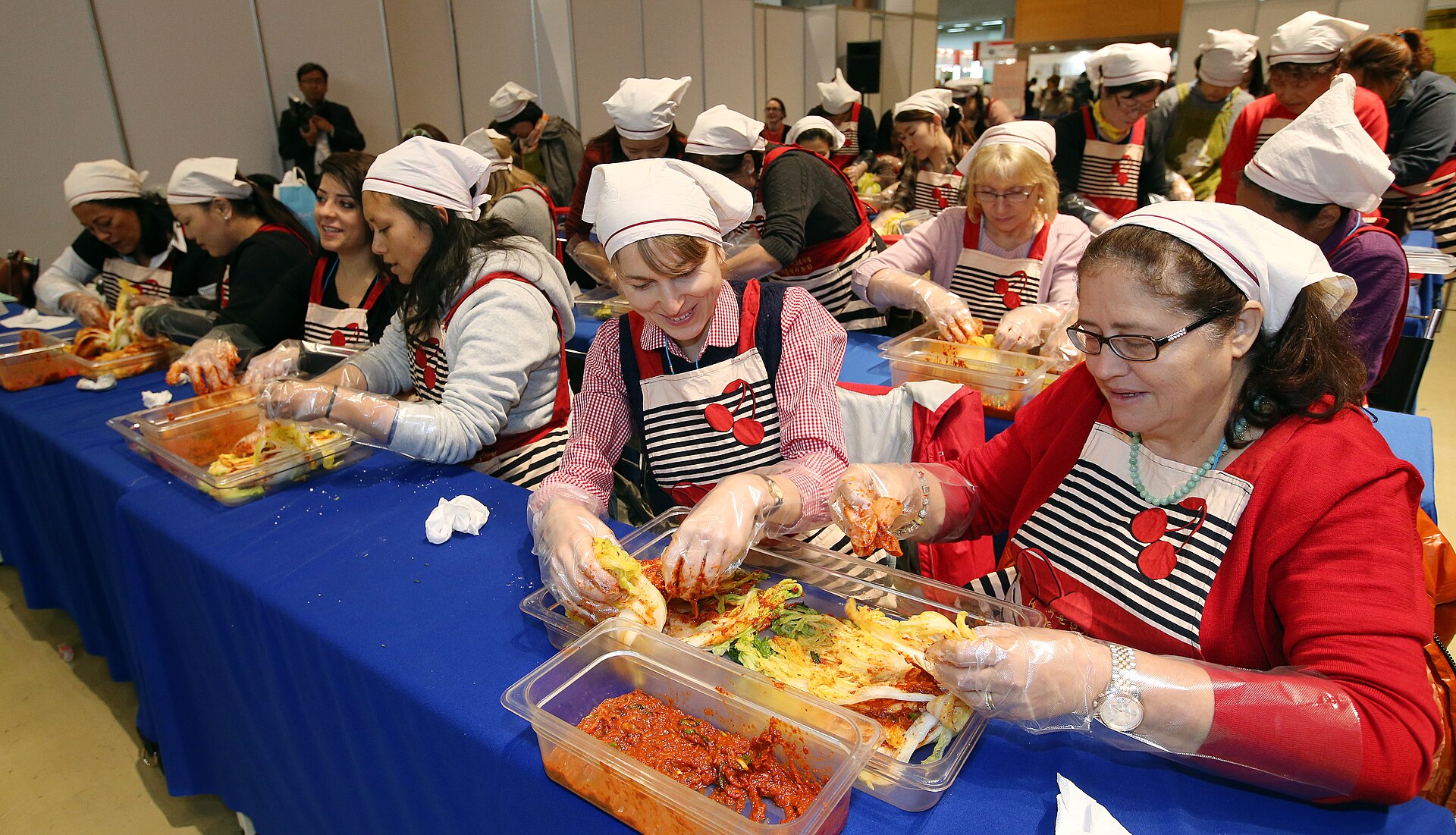
The permanent, reliable option is Museum Kimchikan in Insadong, five minutes from exit 6 of Anguk Station on floors 4–6 of Insadong Maru, open Tuesday to Sunday 10:00–18:00 (closed Mondays). Alongside exhibits on the history and varieties of kimchi it runs reservation-only sessions where you make cabbage kimchi or a simpler kind and take it away. Book on the official site or through KakaoTalk.
The travel-site classes offer more choice. Klook, KKday and Creatrip list one- to two-hour classes in Insadong, Myeongdong and Hongdae at 20,000–50,000 won with instructors in English, Chinese and Japanese. The cabbage arrives already salted and you start from the paste, so even a first-timer has a batch within an hour. Some pair it with hanbok photos; two- to three-hour cooking classes add pancakes or tteokbokki.
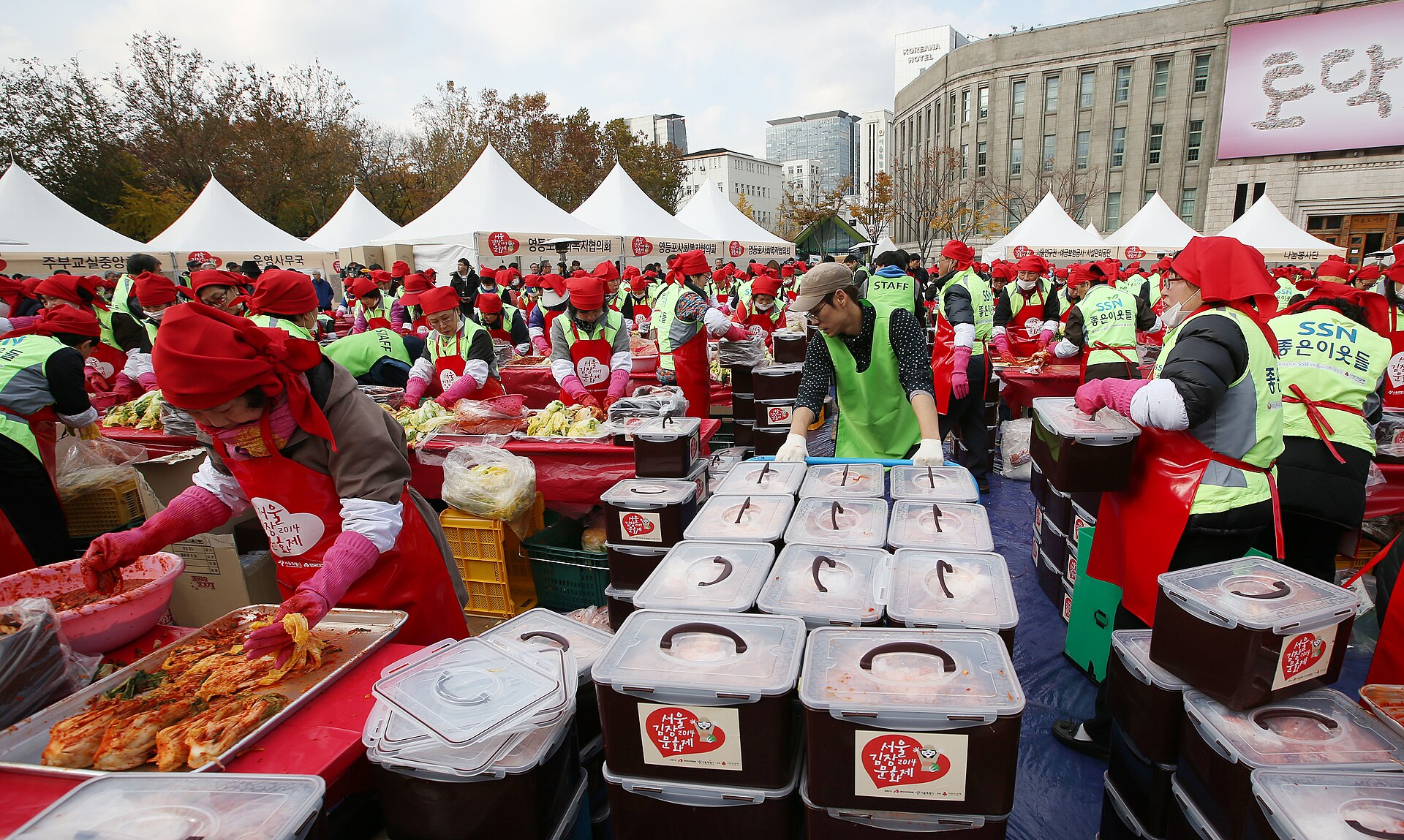
If you’re in Seoul in early November, aim for the city’s Kimjang Culture Festival, where thousands make kimchi together around Gwanghwamun and Seoul Plaza with slots set aside for foreigners. The 2026 dates are announced by the city in October, so check before booking.
It Counts as a Liquid! Taking It Home and Eating It — Sealed, and in Checked Baggage
✔ It goes in checked baggage
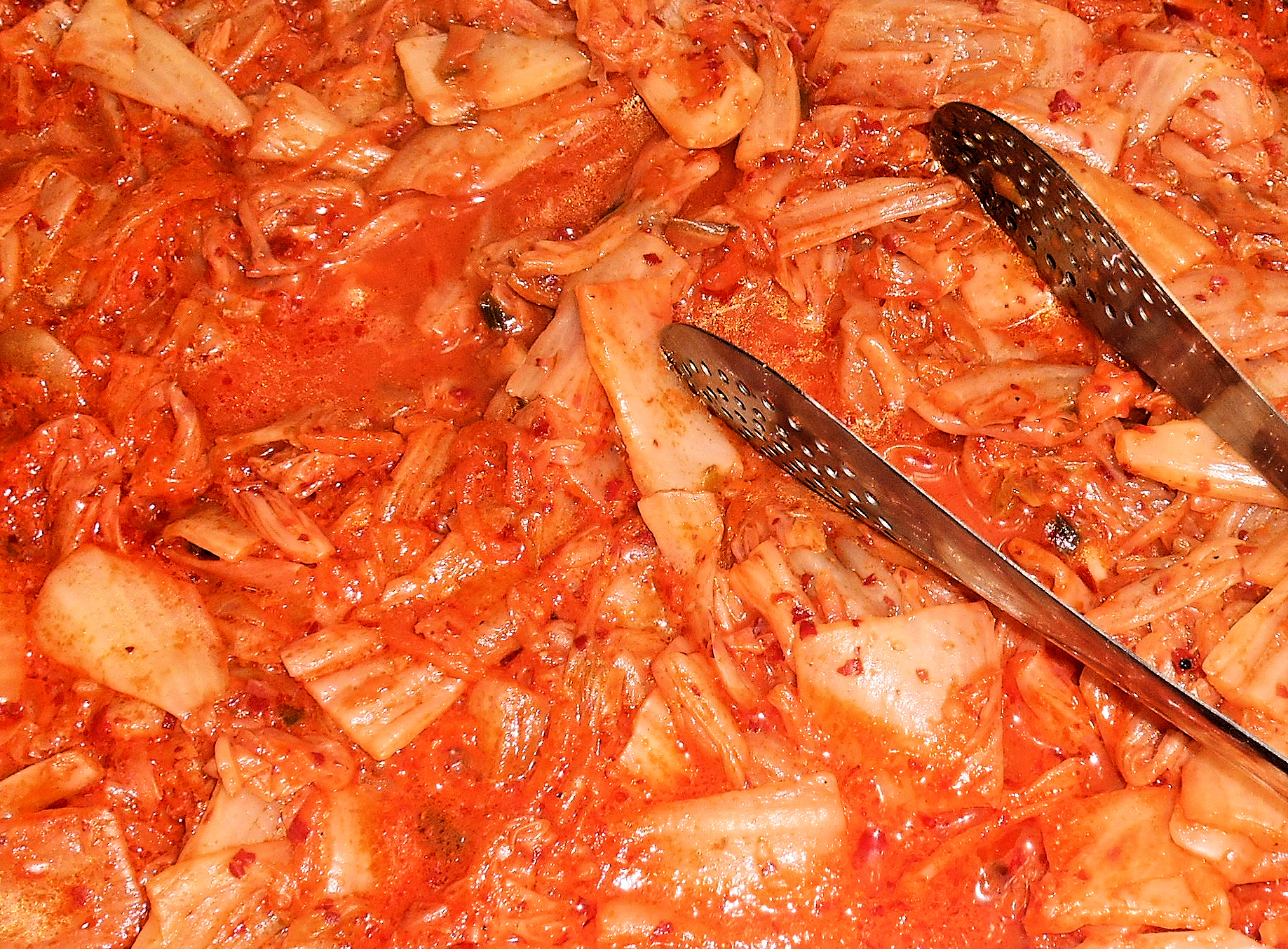
Your kimchi comes in a sealed tub. It counts as a liquid, so it goes in checked baggage; double-bag it in zip bags and wrap it in a towel. Most countries allow personal quantities, but countries with strict quarantine, such as Australia, should be checked in advance. Keep it in the hotel fridge if you’re staying a few days. Fresh, it tastes of raw cabbage; in three to five days it sours and “ripens.”
The best way to eat it is fresh, with rice. Order boiled pork at a market restaurant, wrap it in your own kimchi, and you have the same finale as a Korean kimjang day. Once it has ripened, it goes into kimchi stew or kimchi fried rice.
Worth a Walk on Their Own? The Markets in Season — Gyeongdong and Gwangjang in November
✔ The markets are worth a walk on their own
In kimjang season the markets are worth a walk on their own. Gyeongdong Market (Jegi-dong Station, Line 1) lines up chili-powder and salted-seafood shops beneath mountains of cabbage. In the side-dish alley of Gwangjang Market (Jongno 5-ga Station, Line 1), fresh kimchi and every kind of paste are sold by weight and the market ladies hand out tastes. On November weekends you may walk into a kimjang under way inside the market.
An efficient order: a class in Insadong in the morning, bossam and bindaetteok at Gwangjang at midday, chili powder and dried goods at Gyeongdong in the afternoon. The markets are covered in this series’ market street-food tour.
Insadong, Then Gwangjang, Then Gyeongdong! On the Map — Recommended Places and Google Ratings
✔ Ratings as of September 4, 2026
Ratings and review counts were checked on Google Maps on September 4, 2026. They change, so tap through for the latest before you go. By the time your kimchi sours, three to five days on, the trip will have ripened nicely too.
- Museum Kimchikan (Insadong) — Google ★4.3 (686 reviews)
- Gwangjang Market — Google ★4.2 (44,270 reviews)
- Gyeongdong Market — Google ★4.1 (11,048 reviews)
Series: Things worth doing in Korea
1 K-glasses tour · 2 K-scrub and head spa · 3 Personal color and K-makeup · 4 PC bang and esports · 5 Market street food · 6 Myeongdong K-pharmacy · 7 K-hiking by subway · 8 Care-cation · 9 Jjimjilbang full course · 10 K-dermatology · 11 KBO baseball night · 12 Hanbok and palace nights · 13 K-hair salon · 14 Saju and tarot café · 15 Daiso and convenience store · 16 Han River evening · 17 Templestay · 18 Kimjang · 19 DMZ tour · 20 LASIK and SMILE · 21 Escape rooms · 22 Screen golf · 23 Seongsu pop-ups · 24 Self photo studios · 25 Running in Seoul · 26 KBL Basketball · 27 Coin karaoke · 28 K-pop dance class · 29 Korean nails · 30 Ski day trip · 31 Manhwa cafe · 32 Korean medicine clinic
FAQ
Can I fly home with kimchi?
In a sealed container in checked baggage, most countries allow personal quantities. It counts as a liquid, so keep it out of carry-on and double-bag it. Check ahead for countries with strict quarantine.
How much does it cost?
Travel-site classes run 20,000–50,000 won for one to two hours; the Insadong museum charges about 5,000 won admission plus a program fee. Two- to three-hour cooking classes are 50,000–100,000 won.
Is it available in English?
Travel-site classes come with English-, Chinese- or Japanese-speaking instructors. Museum Kimchikan is used to foreign visitors, and you can confirm the language when booking.
When is kimjang season?
Mid-November to early December. Seoul’s Kimjang Culture Festival is held around Gwanghwamun in early November, with 2026 dates announced in October.
What if I can’t handle spice?
Classes let you adjust the chili powder yourself, and some teach white kimchi, made without chili.
- 뮤지엄김치간 공식(인사동, 화〜일 10〜18시)
- 서울시 내 손안에 서울: 김장문화제 체험 신청
- 식품저널: 샘표·한식진흥원 외국인 대상 김치 클래스
- 유네스코 인류무형문화유산: 김장, 김치를 담그고 나누는 문화
- Market street-food tour (series no. 5)
- 통인시장 엽전도시락(서울시)
How this was checked: official listings for each shop or facility and Google Maps ratings were verified online (2026-09-05). The author lives in Seoul and folds in what was seen on the ground; the piece is updated when things change.