- The canon is fixed. 1.
- Seating is communal by default.
- The alley peaks at lunch (12:00–14:00) and weekend evenings.
Who this is for
- Anyone who saw Gwangjang on Netflix and has no idea how to actually order
- People arriving with zero Korean and one credit card
- Anyone who wants the market as the starting engine of a Dongdaemun night
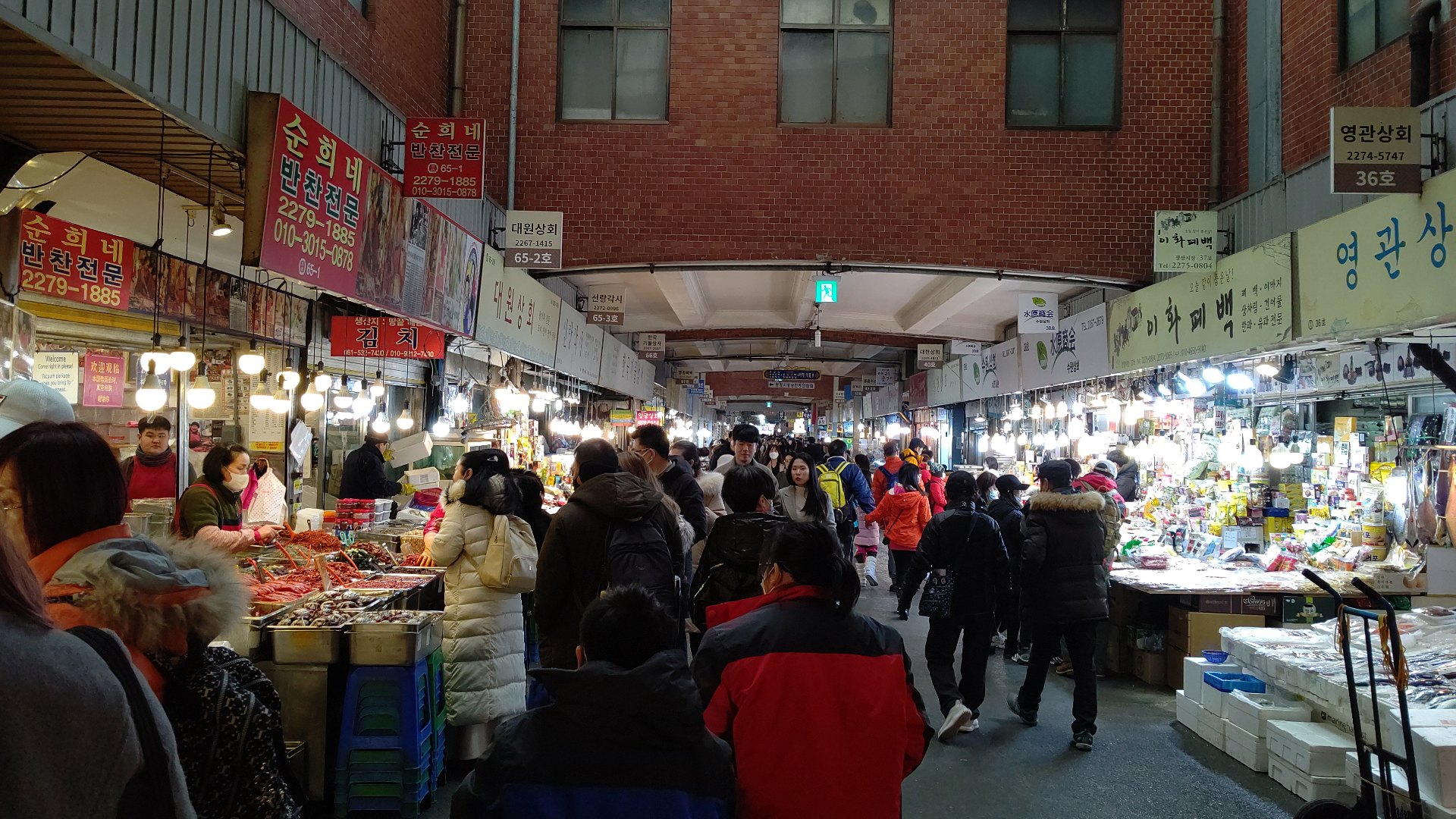
If you get one market meal in Seoul, the answer has been settled for decades: Gwangjang Market in Jongno. Korea’s oldest permanent market opened in 1905, and in the middle of its bedding-and-hanbok wholesale halls runs a food alley packed shoulder to shoulder with stalls. Bottom line: 15,000 KRW covers three signature dishes per person.
Netflix made it world-famous, and the crowds followed. Here’s the thing, though—what you need to understand hasn’t changed: this is not a tourist facility, it’s a working person’s cafeteria. Move with its rhythm and you take home the real thing; fight it and you take home queue photos.
“So what do I eat, and how do I order?” What to eat, what it costs, when to come, and the holiday trap—field notes only. Let’s get into it.
Contents
1. What to eat — the big three, plus one
2. The etiquette — how to sit, how to order
3. When to come — crowd waves and the holiday trap
4. The pairing — your next hour after the market
5. Frequently asked questions
1. The Canon Is Fixed! What to Eat—the Big Three, Plus One
✔ The canon is fixed
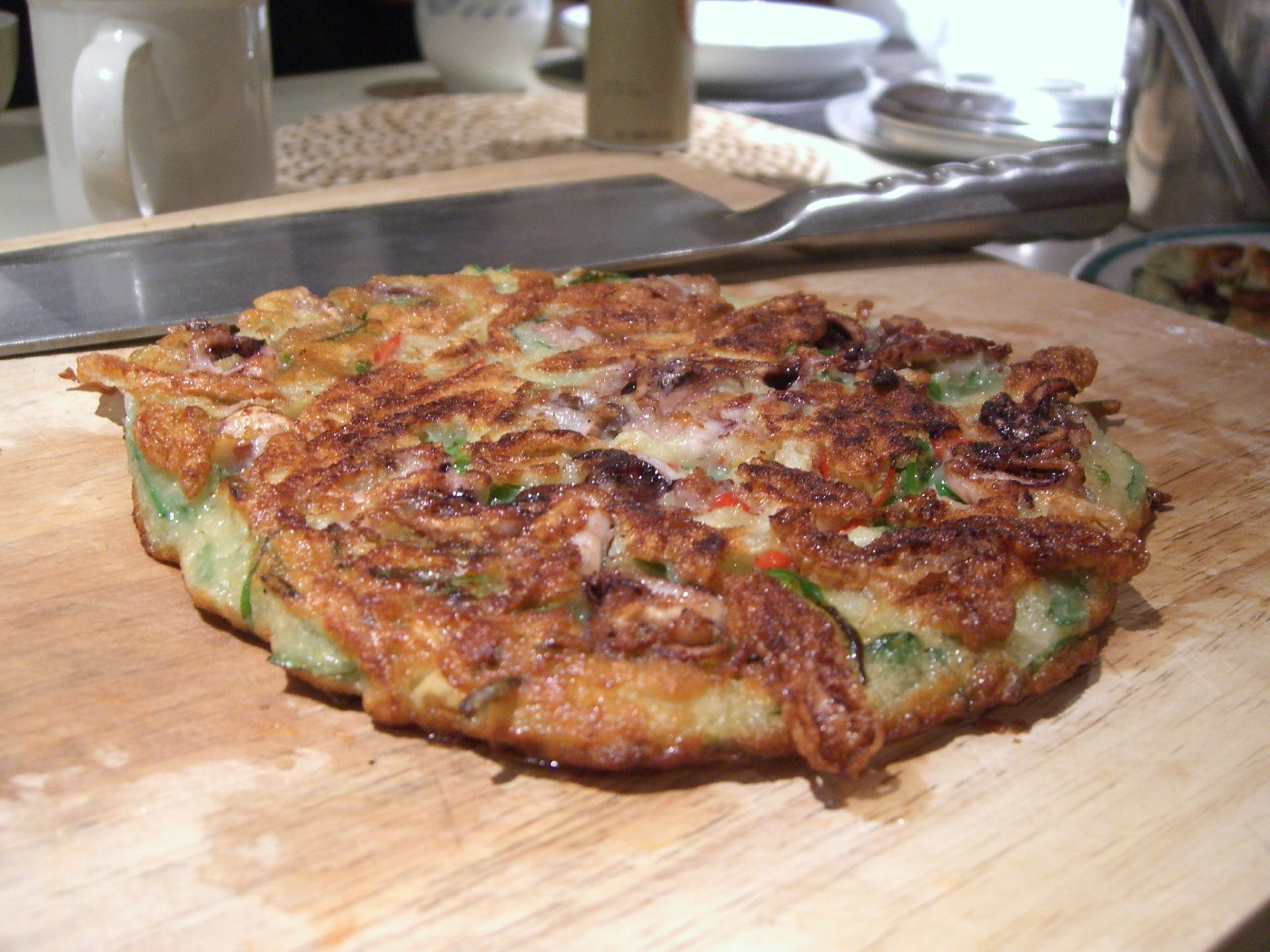
1. Bindaetteok—a mung-bean pancake, crisp outside and chewy within; the orthodox pairing is makgeolli rice wine. 2. Mayak gimbap—bite-size seaweed rolls with a mustard dip, named “narcotic gimbap” for their addictiveness. 3. Yukhoe—Korean beef tartare, served by a dedicated row of specialists competing on freshness. Then plus one: kalguksu or sujebi, the steaming noodle stalls at the market’s warm center.
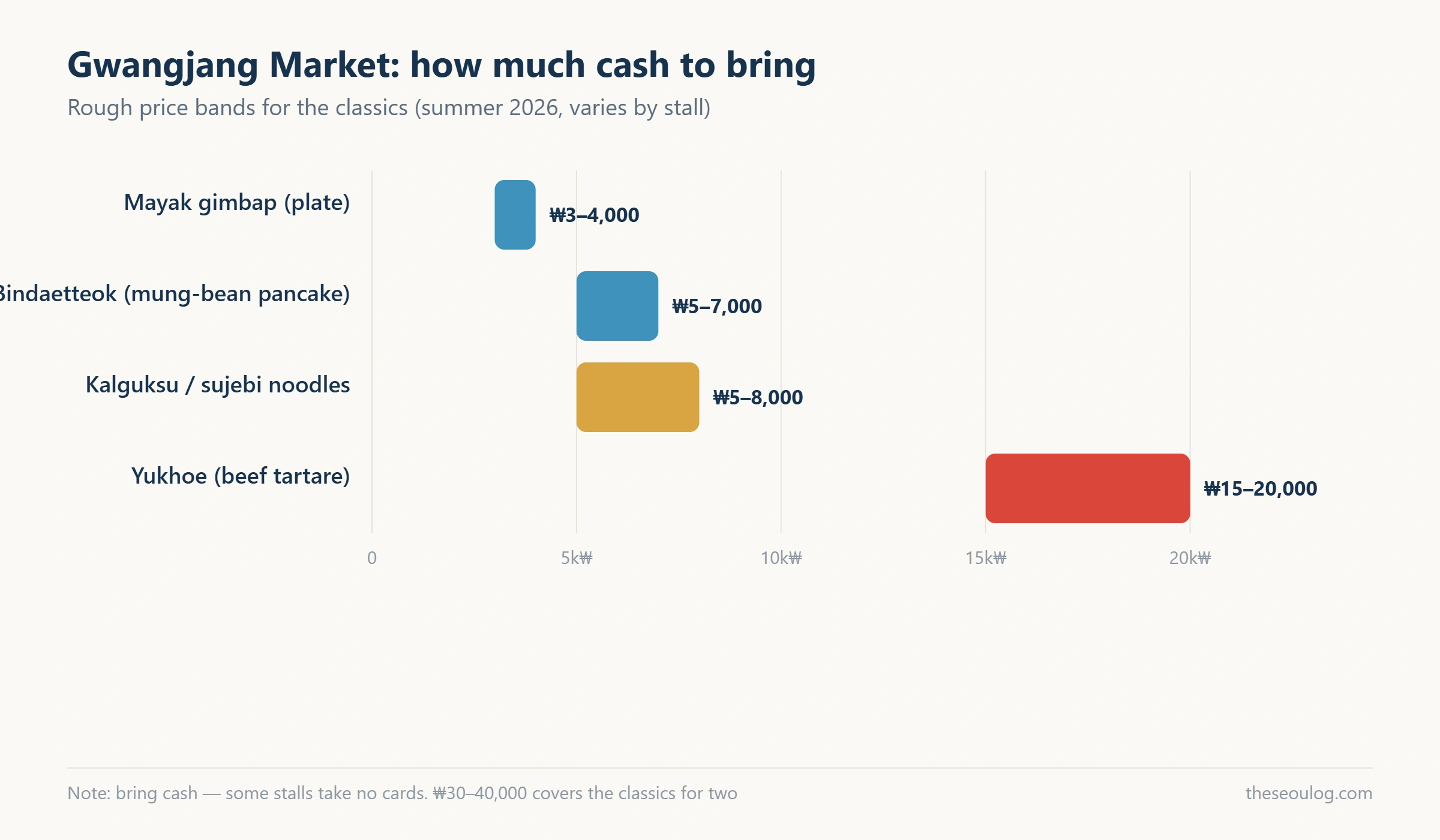
| Must-try | Budget | Note |
|---|---|---|
| Bindaetteok (mung-bean pancake) | 5,000–7,000 KRW | Pick the stall with a line |
| Mayak gimbap | 3,000–4,000 KRW | The mustard sauce is the point |
| Yukhoe (beef tartare) | 15,000–20,000 KRW | Head to the specialist alley |
| Hotteok & fruit | 2,000–5,000 KRW | Dessert on the go |
✔ If that wasn’t enough detail. “Seoul’s Market Street-Food Tour” goes further in.
2. No Korean Required? The Etiquette—How to Sit, How to Order
✔ Seating is communal by default
Slide onto any free stool, point at what you want, done—no Korean required. Prices are posted, and even in its touristy era the market has kept overcharging rare.
Three rules keep you in rhythm. Carry cash—card acceptance has grown, but cash is faster and certain at stalls. Don’t eat everything at one stall—order one dish, move on, work the alley. Don’t linger—these businesses live on turnover; finish, pay, yield the stool.
3. Mind Sundays and Chuseok! When to Come—Crowd Waves and the Holiday Trap
✔ Peak is lunch and weekend evenings
The alley peaks at lunch (12:00–14:00) and weekend evenings. Come weekday mornings for photographs, Friday night for the full roar. Most stalls run morning to night, but closing days vary by stall—Sundays see the most shutters down.
The big warning is Chuseok: over the core holiday days (24–27 September 2026) the market as a whole rests. If your trip overlaps, eat your market meal by the 23rd. Details in our holiday open/closed map.
4. Fifteen Minutes to Dongdaemun! The Pairing—Your Next Hour After the Market
✔ Use the market as a starting engine
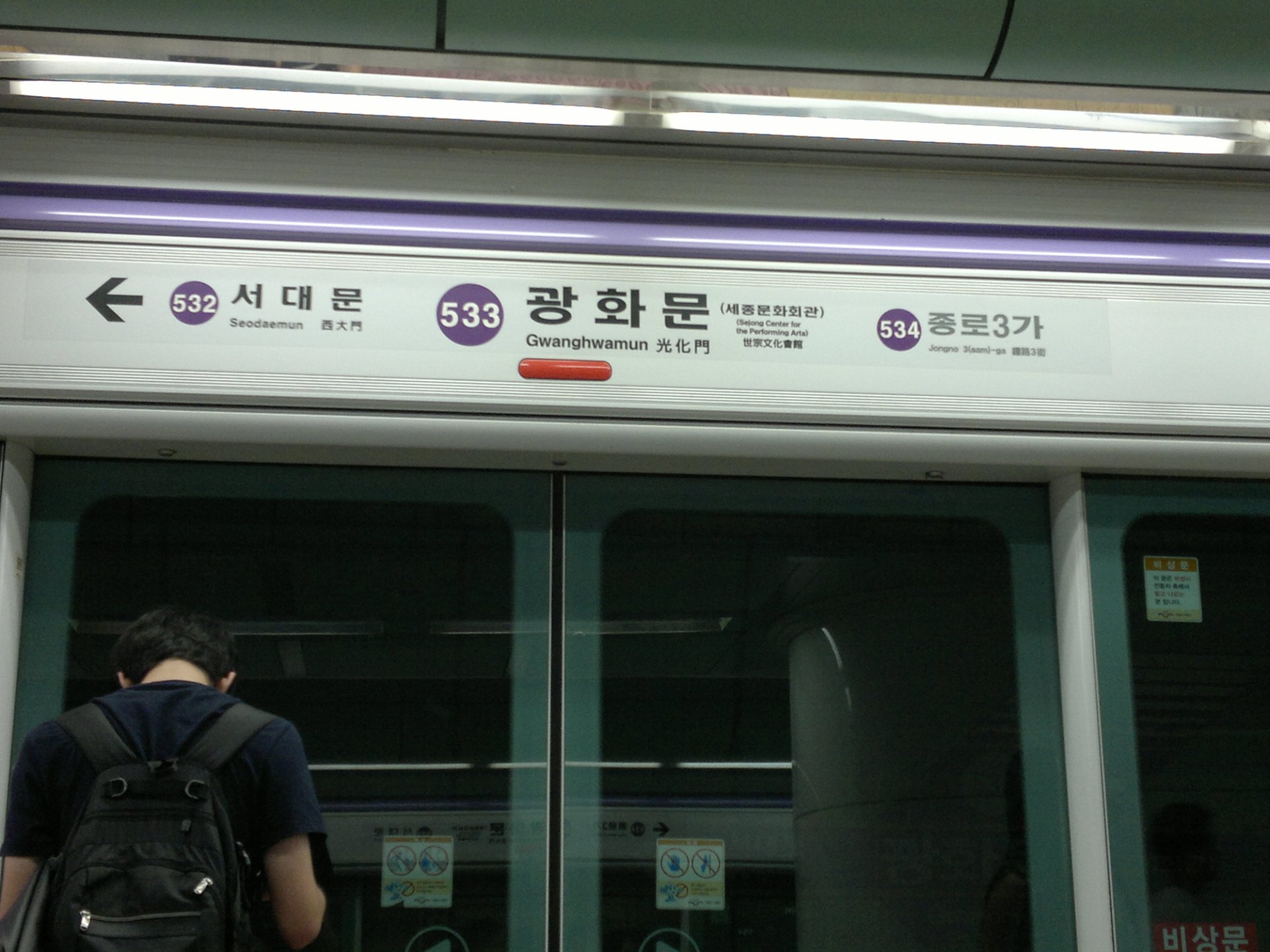
Gwangjang sits at Jongno 5-ga on subway Line 1. Cross the Cheonggyecheon stream and Dongdaemun is a fifteen-minute walk—night markets, the DDP’s architecture, and a jjimjilbang to finish: the complete Dongdaemun night. Come at midday instead, and Insadong and Bukchon lie west along Jongno.
Fill up at the market, walk the stream, flow into the evening. Gwangjang works best not as a destination but as the starting engine of a Seoul day. Go grab a stool!
In short
• The canon: bindaetteok, mayak gimbap, yukhoe — plus kalguksu
• ₩30–40,000 for two covers the classics; bring cash
• Communal stools, point-to-order, yield your seat when done
• Many stalls close Sundays; the whole market rests over Chuseok (24–27 Sep)
• Fifteen minutes on foot to Dongdaemun — the night-course starting point
On the map — recommended places and Google ratings
Ratings and review counts were checked on Google Maps on September 4, 2026. They change, so tap through for the latest before you go.
- Gwangjang Market — Google ★4.2 (44,270 reviews)
- Miok Yukhoe (Gwangjang) — Google ★4.9 (269 reviews)
- Changsin Yukhoe, Branch 3 — Google ★4.8 (125 reviews)
- Sunhee-ne Bindaetteok — Google ★4.0 (1,726 reviews)
- Tongin Market — Google ★3.8 (7,672 reviews)
- Gyeongdong Market — Google ★4.1 (11,048 reviews)
- Starbucks Gyeongdong 1960 — Google ★4.6 (727 reviews)
Frequently asked questions
Do stalls speak English?
Mostly not, and it does not matter. Prices are posted and pointing completes every order.
Can I pay by card?
Increasingly yes, but cash is the sure thing at stalls. A few ₩10,000 notes make everything smooth.
Is the beef tartare safe?
The yukhoe row turns over fast and competes on freshness — that is its whole business model. If unsure, start with the cooked dishes.
Best time to visit?
Weekday mornings for photos, Friday nights for atmosphere. Expect queues at lunch and weekend evenings.
Is it open during Chuseok?
The market rests over the core holiday days (24–27 September 2026). Schedule your market meal by the 23rd.
Information current as of 17 August 2026. Prices vary by stall and change over time. Photos: Wikimedia Commons (credited in captions).
This article is based on the official information below. Rules can change, so please check the original before you travel.
· Korea Tourism Organization official site
Information as of 2026-09-03 (official listings and Google Maps as shown at publication). Updated when things change.