- Seongbuk-dong is reached from Hansung Univ. Station (Line 4) Exit 6 by village bus (Seongbuk 02 or 03) up the hill. Gilsangsa (★4.6, 3,193 reviews, free), Simujang (★4.4, 480, free), the Korea Furniture Museum (★4.5, 327, by reservation), Samcheonggak (★4.2, 1,807) and the Bugak pavilion (★4.3, 11,582) sit within 10 minutes of each other.
- For Bukhansan, take the Ui-Sinseol Line to Bukhansan Ui Station Exit 2; Baegundae (836 m) is a 4-hour round trip. The Seoul Hiking Tourism Center Bukhansan (★4.8, 77, closed Monday) lends boots and poles free (book on Klook). Dream Forest (★4.5, 4,785, 24 hours) is a big park with an observatory.
- Honestly, beauty and nightlife are Seongbuk’s weak points. At night the choice is the Bugak pavilion (to midnight) or a Korean course dinner at Samcheonggak; there are almost no bars. For food: Ssangdari pork bulbaek (★4.0, 1,402, closed Monday), Guksijip (closed Monday) and traditional tea at Suyeon Sanbang (closed Mon-Tue). Gilsangsa is busiest on Sunday.

Who this is for
- Anyone worn down by the Myeongdong and Hongdae crowds who wants one quiet day in Seoul
- People who’d like to climb Baegundae but didn’t pack hiking boots
- Anyone who loves a history walk—temples, villas and royal tombs
Seongbuk is the quiet district on Seoul’s northern mountain edge. Along the lanes of Seongbuk-dong stand ambassadors’ residences, Joseon-era villas and the former homes of poets and painters; Gilsangsa, a luxury restaurant donated to become a temple in 1997; the Korea Furniture Museum, which showed Korean traditional furniture to the world; and the octagonal pavilion on the Bugak Skyway along the ridge of Bugaksan. Ten minutes from central Seoul by subway, it sees a hundredth of Myeongdong’s visitors.
North of it rises Bukhansan, the spine of Seoul. Baegundae (836 m) is a four-hour round trip past granite peaks and the northern stretch of the city wall. Since 2023 the city has run Hiking Tourism Centers at Bukhansan, Bugaksan and Gwanaksan, lending boots and backpacks to foreign visitors free of charge. At the foot of the mountain are the April 19th National Cemetery, temple stays at Hwagyesa and the observatory of Dream Forest.
“So how do I build a quiet day out of this?” Here’s the thing: this guide cuts Seongbuk and Bukhansan into nine themes (sights, food, shopping, beauty, wellness, nature and walks, nightlife, play, art) and lists only places whose address, hours and rating we verified on Google Maps. To be candid, beauty and nightlife are this district’s weak points, and we lean on neighboring Myeongdong (10 minutes on Line 4) and Daehangno. Still, this is the only place in Seoul where mountain, temple and old villas fit into one day on foot. Let’s get into it.
A Restaurant Turned Temple? Sights and History: Gilsangsa, Simujang, the Villas of Seongbuk-dong, Jeongneung
✔ The restaurant’s guest pavilions are now monks’ quarters
Gilsangsa (길상사): 68 Seonjam-ro 5-gil, Seongbuk-gu, 10 minutes by village bus Seongbuk 02 from Hansung Univ. Station Exit 6 (last stop). ★4.6 (3,193 reviews), free, sunrise to sunset. The owner of Daewongak, a luxury restaurant of the 1950s-80s, donated its land and buildings to the monk Beopjeong, and it became a temple in 1997. The restaurant’s guest pavilions serve as monks’ quarters, and the Avalokitesvara statue was carved by a Catholic sculptor. It’s most beautiful at the May lantern festival and in autumn; Sunday mornings are crowded with services.
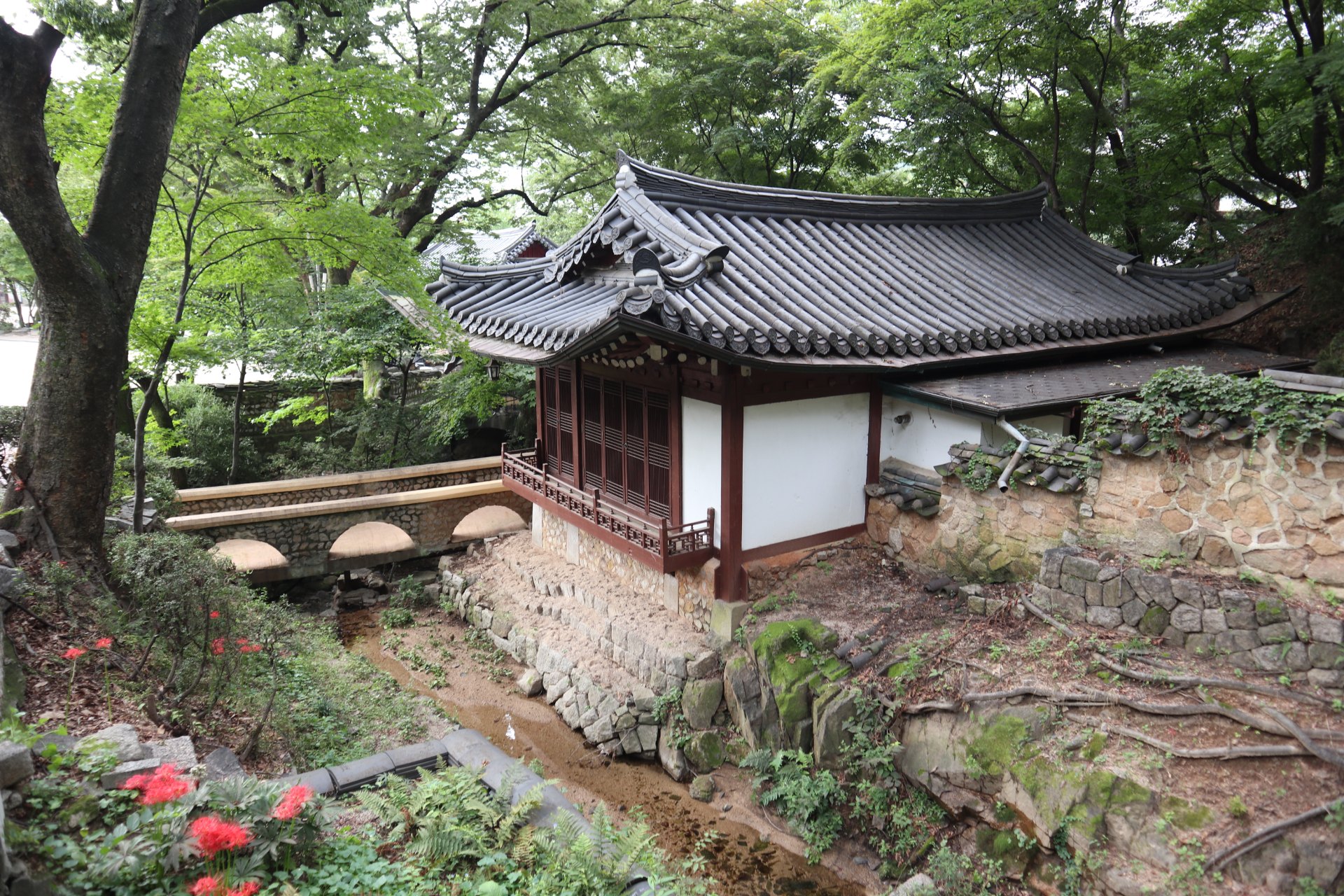
Simujang (심우장): 24 Seongbuk-ro 29-gil, ★4.4 (480 reviews), 9 am-6 pm, free. The hanok built in 1933 by the poet and independence activist Han Yong-un (Manhae), famously facing north so as to turn its back on the Japanese Government-General building. Up the Seongbuk-dong hill at the end of a narrow lane. The Choi Sunu House (최순우 옛집) (9 Seongbuk-ro 15-gil, Tue-Sat 10 am-4 pm, April-November, free) is the hanok of a former director of the National Museum, with a fine garden. Seongnagwon (성락원), a Joseon villa garden, opens only in limited periods by reservation.
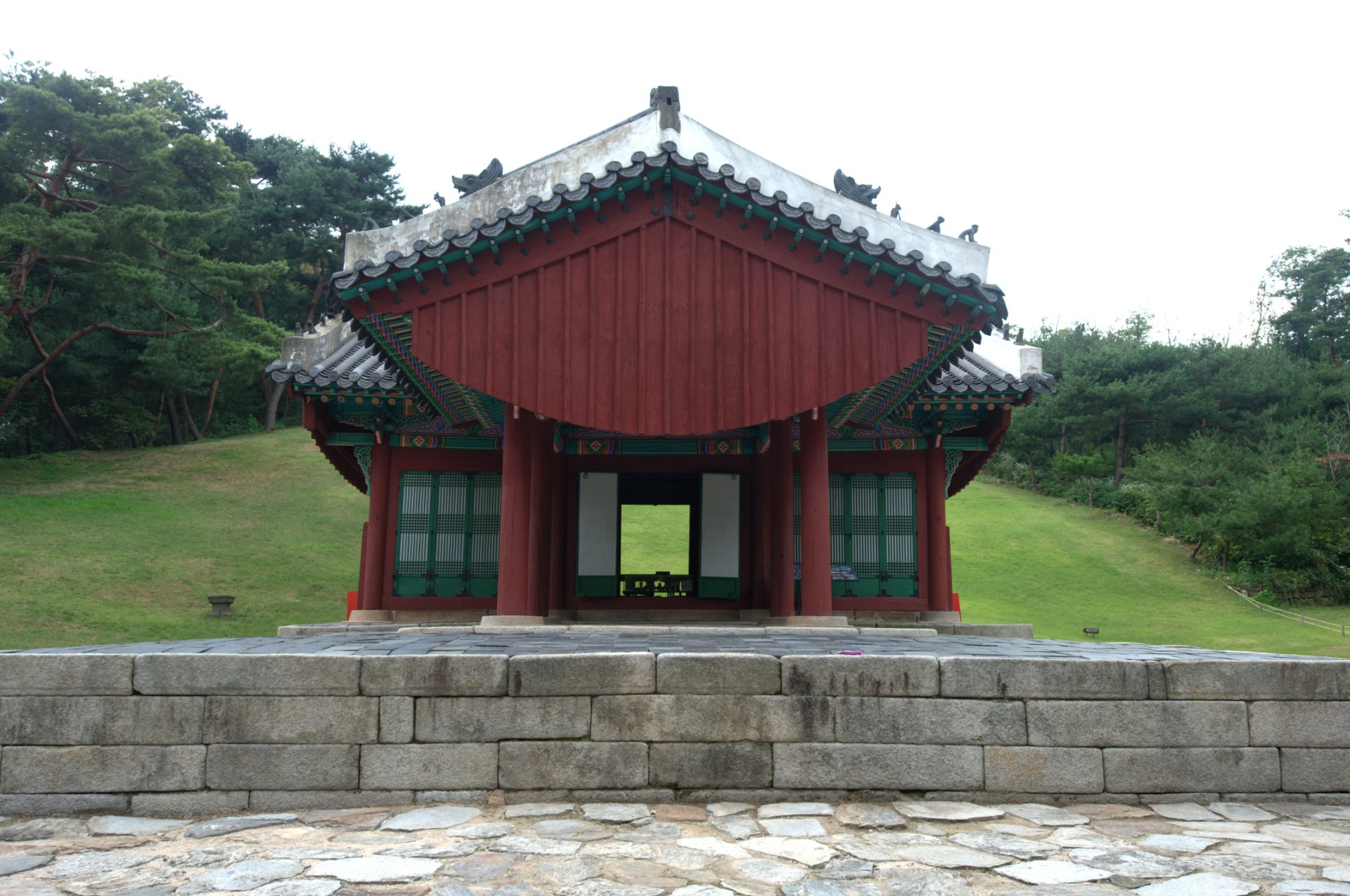
Jeongneung (정릉): 116 Jeongneung-ro, Seongbuk-gu, by bus from Gireum Station, ★4.5 (659 reviews), 9 am-6 pm (seasonal), closed Monday, 1,000 won. The tomb of Queen Sindeok, second consort of Taejo, founder of Joseon, and part of the World Heritage royal tombs. A quiet tomb with almost no tourists and a long pine-forest path. The whole of the Seongbuk-dong hillside is a designated heritage district, and its mix of ambassadors’ residences (more than 30 countries) and hanok is a sight in itself.
| Item | Details |
|---|---|
| Nearest stations and exits | Hansung Univ. (Line 4) Exit 6 = Seongbuk-dong (village bus Seongbuk 02 toward Gilsangsa and Samcheonggak, Seongbuk 03 toward Simujang) / Bukhansan Ui (Ui-Sinseol Line) Exit 2 = Baegundae trailhead and Doseonsa / Suyu (Line 4) = April 19th Cemetery (bus) / Gireum (Line 4) = Jeongneung (bus) / Dolgoji (Line 6) Exit 3 = Dream Forest (15 min walk) / Sungshin Women’s Univ. (Line 4) = Seongbukcheon stream and the Rodeo street |
| Best time | Gilsangsa on weekday mornings (Sunday services are crowded); Bukhansan on weekday early mornings in spring and autumn (queues at Baegundae on weekends); the Bugak pavilion 30 minutes after sunset. Seongbuk-dong foliage peaks in early November |
| Closing days | Suyeon Sanbang: Mon-Tue. Ssangdari pork bulbaek, Guksijip and the Hiking Tourism Center: Monday. Jeongneung: Monday. Korea Furniture Museum and Kansong Art Museum: by reservation on limited days. Gilsangsa and the pavilion never close |
| Toilets and Wi-Fi | Gilsangsa, the Bukhansan trailheads, Dream Forest, the stations. Few public toilets on the Seongbuk-dong lanes (use Gilsangsa and Samcheonggak). Free “Seoul_WiFi” at stations and parks |
| Tourist info | Seoul Hiking Tourism Center Bukhansan (5F, 52 Samyang-ro 173-gil, 9 am-6 pm, closed Monday): free gear rental, route advice, English/Chinese/Japanese. Seongbuk-gu information at the district office by Hansung Univ. Station |
| Fees and reservations | Gilsangsa, Simujang, the April 19th Cemetery and Dream Forest: free. Jeongneung 1,000 won. Korea Furniture Museum: guided tours by reservation (paid). Kansong Art Museum: exhibition periods only, by reservation. Samcheonggak: reservations recommended for the course meal |
| Rain or winter | The Baegundae stairs may close in rain or snow. On wet days, go to the Korea Furniture Museum (reserve), Suyeon Sanbang or the Dream Forest art center. The Seongbuk-dong lanes ice over in winter |
✔ Got this far? Then this is your next move. “K-Hiking Three Seoul Peaks—Bukhansan” is the step after.
The Local Lunch Since the 1970s! Food: Pork Bulbaek, Kalguksu at Guksijip, Tea at Suyeon Sanbang, Korean-Style Western Food
✔ The local lunch—go right at opening or after 2 pm
Ssangdari Dwaeji Bulbaek main branch (쌍다리돼지불백): 4 Seongbuk-ro 23-gil, 10 min from Hansung Univ. Station Exit 6. ★4.0 (1,402 reviews), 9 am-9 pm, closed Monday. A sweet-spicy stir-fried pork set meal (around 10,000 won) served since the 1970s, Seongbuk-dong’s local lunch; it’s quietest right after opening or after 2 pm. Guksijip (국시집): 9 Changgyeonggung-ro 43-gil, Seongbuk-dong, ★3.8 (382 reviews), 11:30 am-2:30 pm and 5-9 pm, closed Monday. An old house of Gyeongsang-style kalguksu noodles and hot pots; the rating is modest but the regulars go back 50 years.
Suyeon Sanbang (수연산방): 8 Seongbuk-ro 26-gil, ★4.1 (812 reviews), 11:30 am-5:50 pm (weekends to 7:50 pm), closed Mon-Tue. The hanok built in 1933 by the novelist Lee Tae-jun, run by his descendants as a traditional teahouse; pumpkin porridge and ssanghwa tea (around 10,000 won) while looking at the garden. Thirty-minute waits on weekends; weekday afternoons are best.
Geumwang Donkkaseu main branch (금왕돈까스) ★3.6 (1,695 reviews) and Seoul Wang Donkkaseu ★3.8 (1,062 reviews) serve Korean-style Western pork cutlets along the Bugak Skyway, low-rated but preserving the memory of 1980s drive-in restaurants. Samcheonggak (삼청각) (3 Daesagwan-ro, ★4.2, 1,807 reviews, noon-9 pm), a 1972 restaurant complex turned city cultural venue, serves Korean course meals (lunch from 50,000 won) and traditional tea. Alley food culture of the kind in our traditional-market article is scarce in Seongbuk; the student district in front of Sungshin Women’s Univ. Station has the cheap eateries.
Half Myeongdong Prices? Shopping: The Sungshin Rodeo Street, Daehangno, and Honestly Not Much Else
✔ Seongbuk is not a shopping district
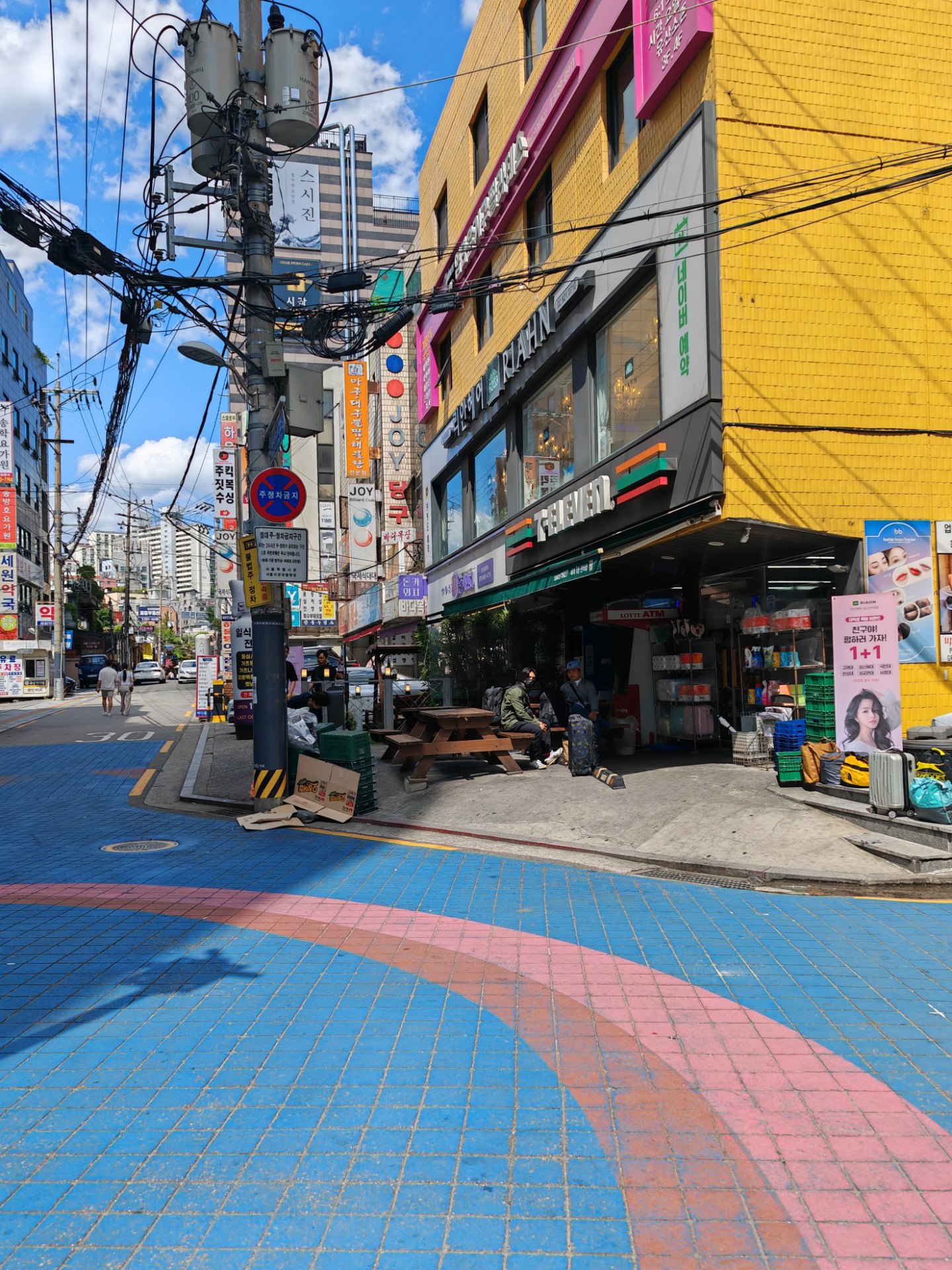
Seongbuk is not a shopping district. What it has is the Rodeo street in front of Sungshin Women’s Univ. Station (Line 4), packed with cheap student clothes, shoes, cosmetics, Olive Young and Daiso at half Myeongdong prices, plus nail and hair salons at student rates. Between Dolgoji Station and Jangwi-dong, before Dream Forest, there’s a traditional market (Jangwi Market) with cheap side dishes and fruit.
For souvenirs: the shop at Gilsangsa (prayer beads, incense, the books of Beopjeong), traditional teas at Samcheonggak, and the museum shop at the Korea Furniture Museum (woodwork, for tour visitors only). Outdoor shops line the Bukhansan trailhead at Ui-dong, and Korean outdoor brands cost less here than in Myeongdong.
For serious shopping, take Line 4 ten minutes to Myeongdong (see our Myeongdong and Namdaemun guide) or one stop to Daehangno (Hyehwa Station). Olive Young and Daiso at Sungshin give instant tax refunds (15,000 won or more per purchase); the shops in Seongbuk-dong mostly do not.
Haircuts From 10,000 Won! Beauty and K-Care: Student Prices, the “Inner Beauty” of a Temple Stay, Treatments in Myeongdong
✔ No flagships, just student prices
Seongbuk has no foreigner-oriented dermatology clinics or K-beauty flagships. What it has are the hair, nail and lash salons of the Sungshin Rodeo street at student prices (haircuts 10,000-20,000 won, gel nails in the 30,000s). Don’t expect foreign-language service, but translation apps work. Olive Young and Daiso are on the same street.
Seongbuk’s own kind of beauty is the temple stay at Hwagyesa (화계사) (117 Hwagyesa-gil, Gangbuk-gu, ★4.4, 878 reviews). Founded in 1522, this Jogye Order temple has been known since the 1980s as an international temple where foreign monks trained, and it runs English-language temple stays weekly (two days, 70,000-100,000 won). Our temple stay article explains how to book. Gilsangsa also holds occasional day programs.
For real dermatology, personal color analysis and hair treatments, go to Myeongdong (10 minutes on Line 4, where clinics serve 63% foreign clients) or Gangnam. Our articles on the three big dermatology treatments and personal color verified clinics in Myeongdong and Gangnam. If you are staying in Seongbuk, plan beauty appointments in Myeongdong.
Boots, Poles and Headlamps, Free! Wellness: Hiking Bukhansan, the Hiking Tourism Center, Dream Forest, Temple Mornings
✔ Wellness here means the mountain
Wellness in Seongbuk means the mountain. Seoul Hiking Tourism Center Bukhansan (서울 등산관광센터 북한산): 5F, 52 Samyang-ro 173-gil, Gangbuk-gu, 5 min from Bukhansan Ui Station on the Ui-Sinseol Line. ★4.8 (77 reviews), 9 am-6 pm, closed Monday. Run by the city for foreign visitors, it lends hiking boots, backpacks, poles and headlamps free (book on Klook) and gives route advice in English, Chinese and Japanese. Gear up here before Baegundae. Our K-hiking article compares the three centers.
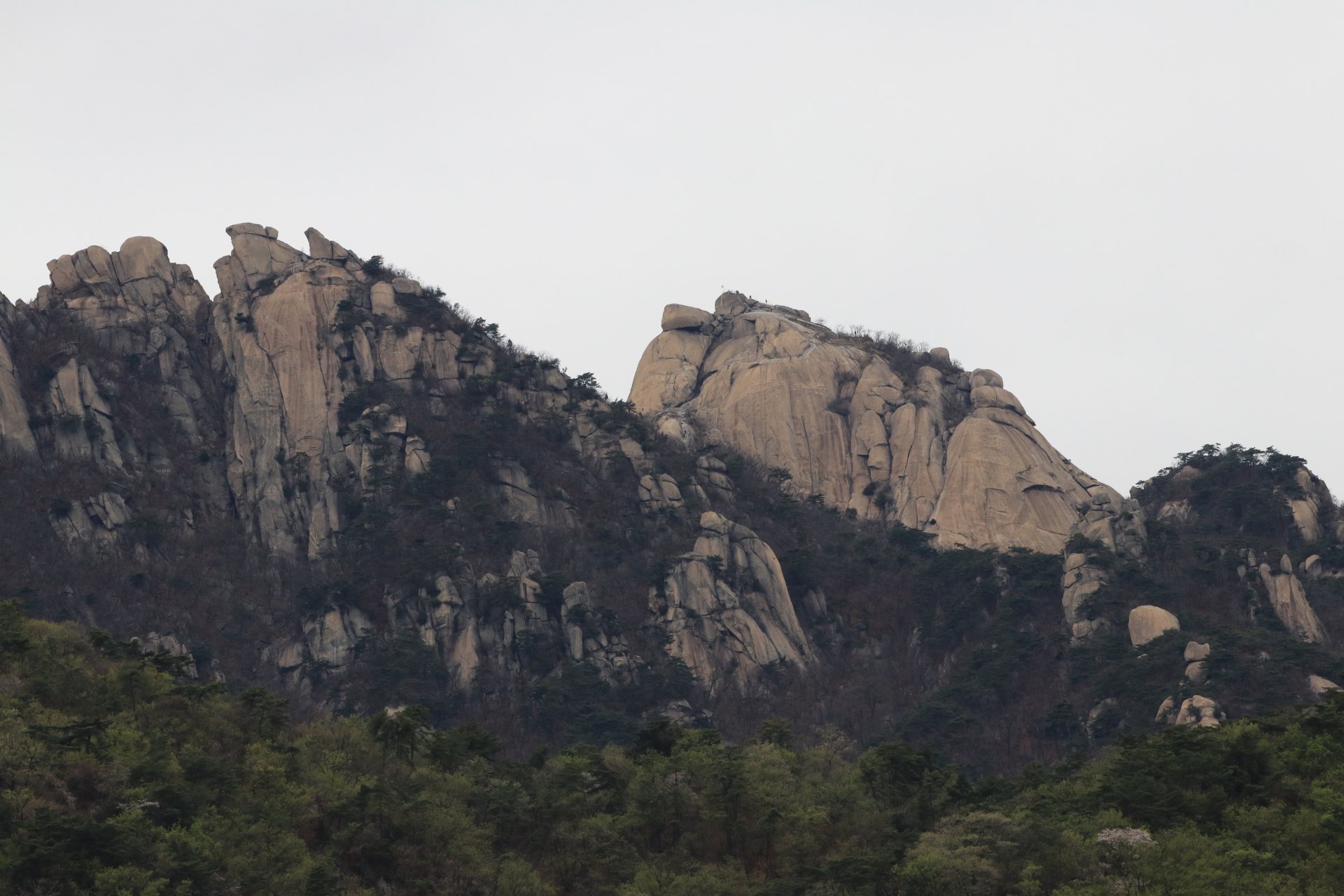
The Baegundae route: Bukhansan Ui Station Exit 2 to Doseonsa, Harujae pass and Baegundae (836 m), about 7 km and 4 hours round trip; the last 200 m is rock with railings and cables. For an easy two-hour round trip, take the Ui-Suyu section of the Bukhansan Dulle-gil loop trail (flat, passing the April 19th Cemetery). Best on weekday early mornings in spring (April-May) and autumn (October-November); on weekends there is a 30-minute queue at the summit.
Dream Forest (북서울꿈의숲): 173 Wolgye-ro, Gangbuk-gu, 15 min from Dolgoji Station Exit 3. ★4.5 (4,785 reviews), free, 24 hours. The former Dreamland amusement park became a park of about 660,000 m² in 2009, with a free observatory looking from Bukhansan to Lotte Tower, lawns, ponds and an art center; a walking park for northern Seoul with almost no tourists. Mornings at Gilsangsa (around 6 am) are among the quietest hours in Seoul. No sauna or spa could be verified in Seongbuk; use Sparex in Dongdaemun (Dongdaemun Station on Line 4).
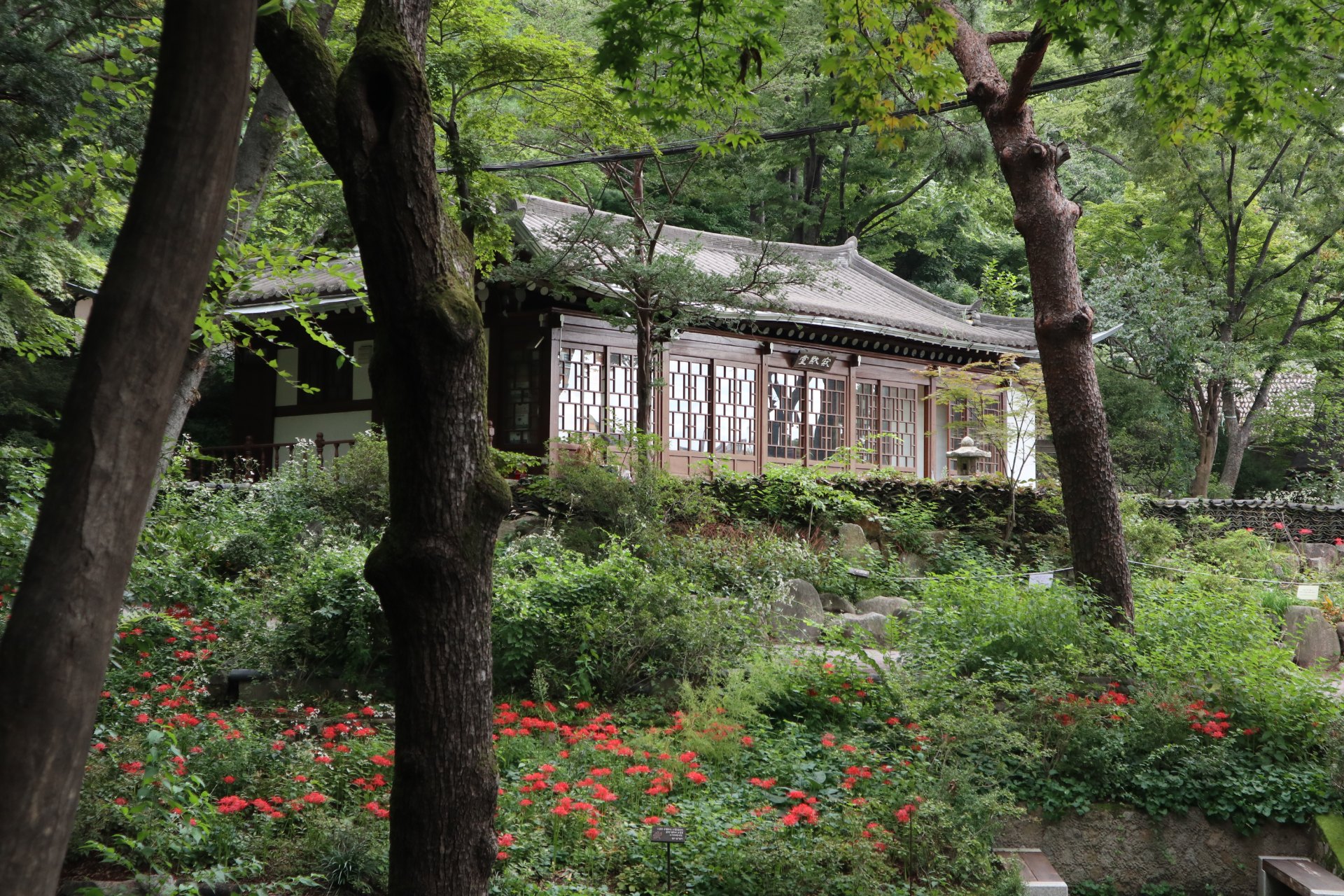
City and Mountain in One View? Nature and Walks: The Bugak Skyway, Seongbukcheon, Blossoms at the April 19th Cemetery, the Pines of Jeongneung
✔ City and Bukhansan in one view from the ridge
Bugak Skyway and its pavilion (북악팔각정): 267 Bugaksan-ro, Jongno-gu, 40 minutes on foot from Seongbuk-dong or 10 minutes by taxi (no bus). ★4.3 (11,582 reviews); the pavilion cafe runs 11 am-midnight. It’s the summit of a scenic road opened in 1968 along the Bugaksan ridge, with views of both the city and Bukhansan. On foot, take the stairs beside Samcheonggak up to the ridge path (about an hour). The city’s Bugaksan city-wall route, Sukjeongmun to Changuimun, hasn’t required reservations since 2022.
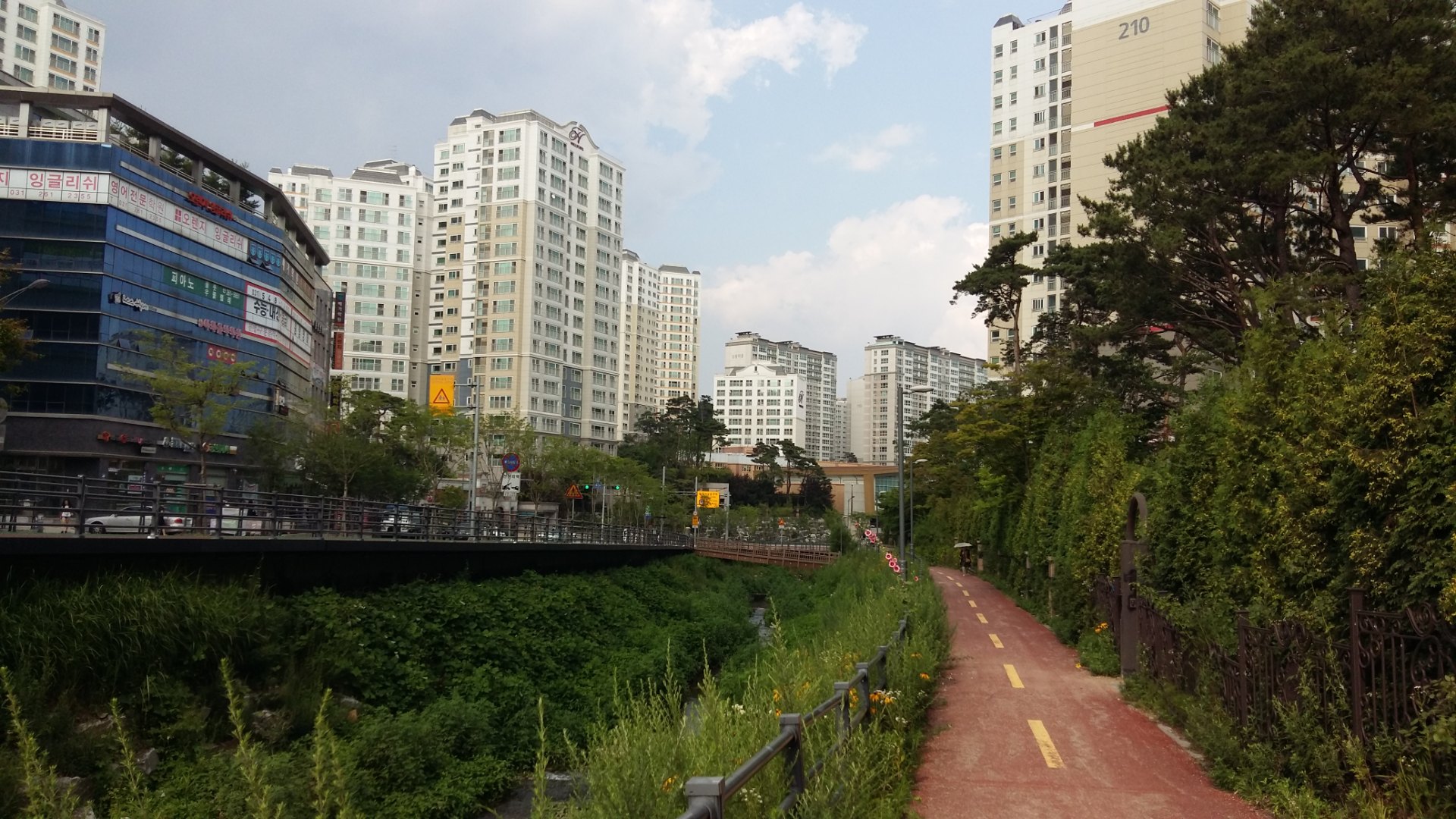
Seongbukcheon (성북천): 1.5 km along the stream from Sungshin Women’s Univ. Station to Hansung Univ. Station, ★4.5 (45 reviews). Cherry blossoms in early April, a fountain plaza and cafes on both banks. The April 19th National Cemetery (국립4·19민주묘지): Suyu-dong, Gangbuk-gu, ★4.6 (150 reviews), 6 am-6 pm, free. The cemetery of those killed in the April Revolution of 1960; its cherry-lined avenue and memorial tower against Bukhansan make it the quietest blossom spot in Seoul.
The pine forest of Jeongneung (★4.5, 659 reviews, closed Monday, 1,000 won) is among the least visited of the royal tombs, a 30-minute loop. The hill behind Gilsangsa blooms with red spider lilies in September, turning the streamside inside the temple red. Seongbuk-dong’s foliage peaks in early November, when the lane from Samcheonggak past Gilsangsa to Simujang is at its best.
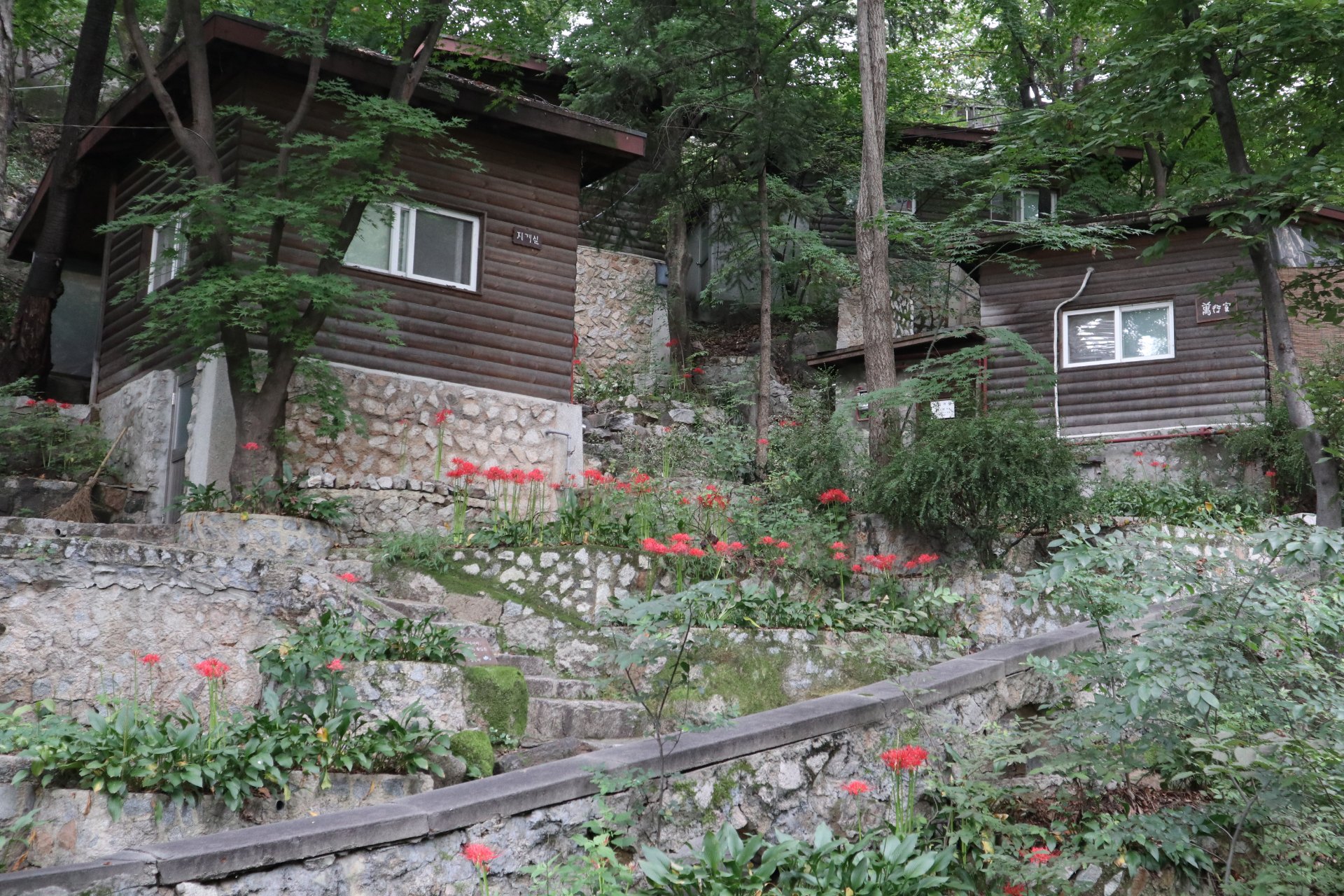
Two Options After Dark! Nightlife and Events: The Pavilion Night View, Evenings at Samcheonggak, the Lantern Festival, and Daehangno
✔ Quiet nights, two options
Seongbuk’s nights are quiet, with two options: the city night view from the Bugak pavilion cafe (to midnight), or a Korean course dinner and traditional performance at Samcheonggak (to 9 pm). A taxi is the realistic way to the pavilion (10 minutes from Seongbuk-dong, around 5,000 won), and you’ll need to call one back. The view starts 30 minutes after sunset; in winter the air is clear enough to see the Bukhansan ridgeline.
Events: the Gilsangsa lantern festival (May, the week around Buddha’s Birthday, the grounds filled with lanterns, free) and the Seongbuk-dong Culture Festival (October, when villas and hanok open together). The April 19th commemoration takes place at the cemetery, and the New Year’s Eve bell at Hwagyesa draws many foreign participants.
For bars and clubs, go one stop on Line 4 to Daehangno (Hyehwa Station), a district of more than 150 small theaters where pubs and bars stay open past 10 pm. Honestly, Seongbuk-dong has almost no bars; the nearest option for a drink near your lodging is the student district in front of Sungshin Women’s Univ. Station. Our Seongsu and Hongdae guides cover Seoul’s night districts.
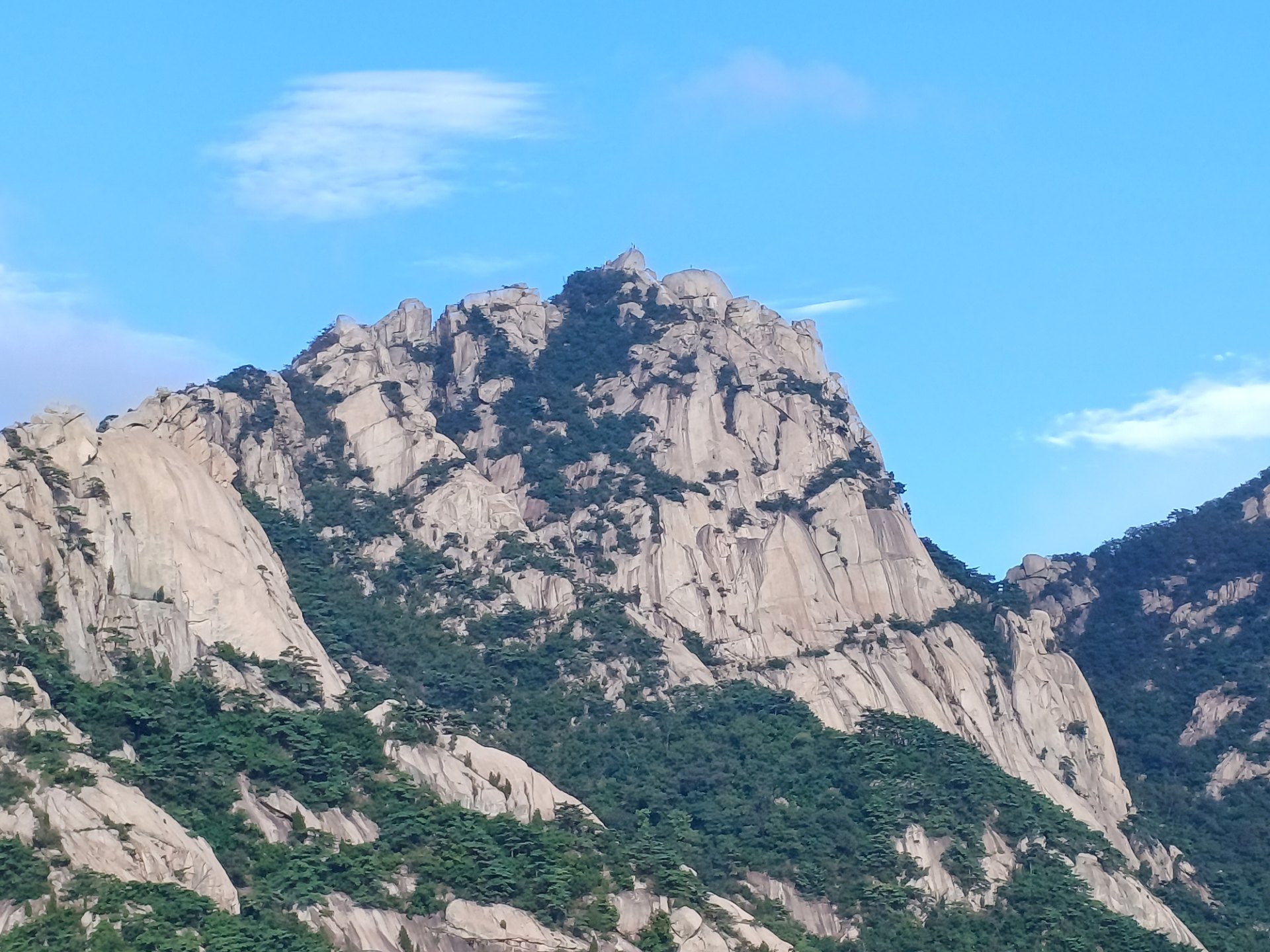
The Last 200 m on Railings! Play and Sports: Baegundae, Doseonsa, the Rock of Bukhansan, Dream Forest
✔ Play here is Bukhansan itself
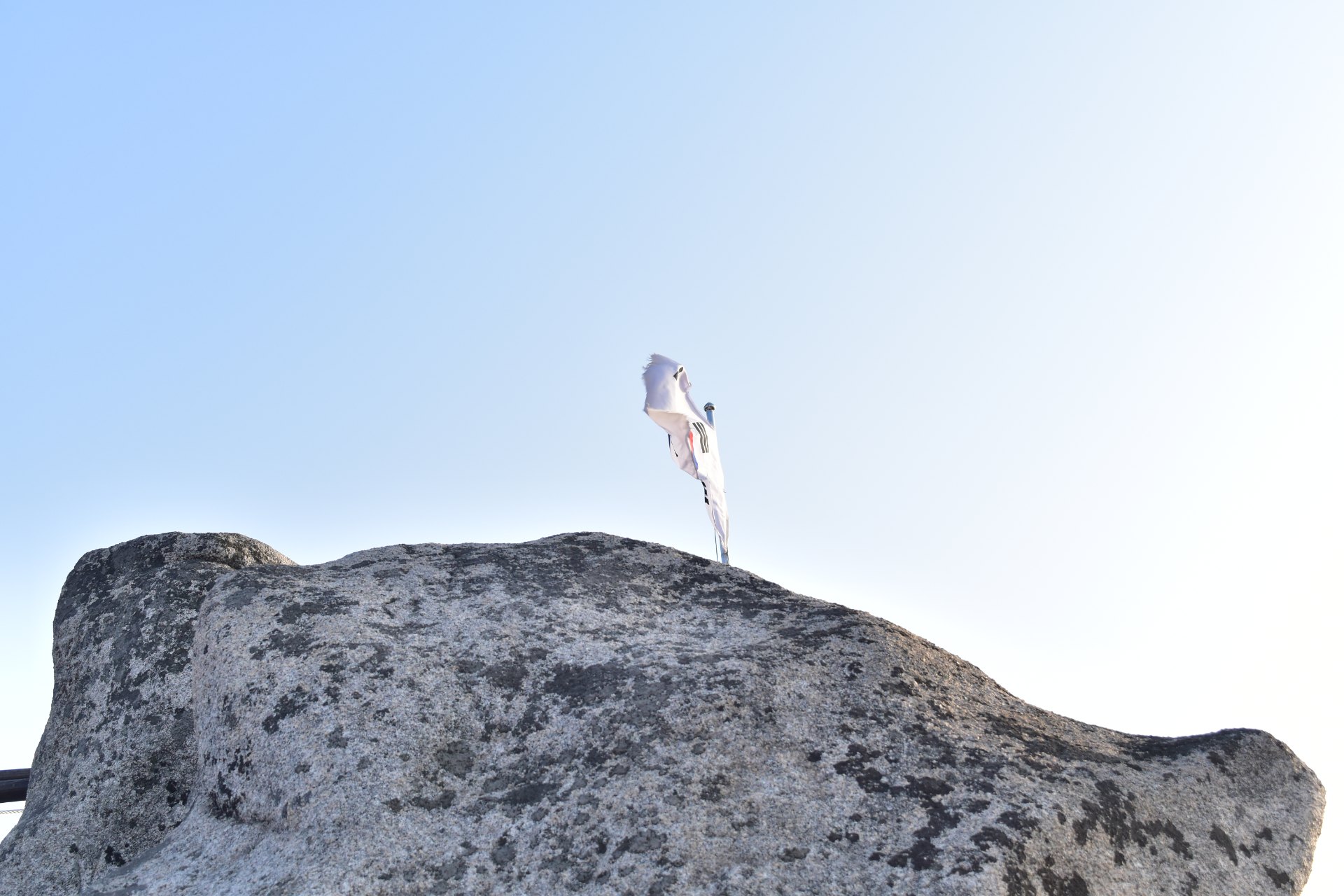
Play in Seongbuk is Bukhansan itself. Summiting Baegundae (백운대) is the day that expats in Seoul always put on their “things to do” list: the last 200 m up the granite peak on railings is a thrill, and the photo in front of the Korean flag at the top is the ritual. Intermediate difficulty, hiking boots recommended (free rental at the Hiking Tourism Center). Avoid July-August for heat and thunderstorms; in winter, crampons are needed on snow.
Doseonsa (도선사), founded in 862, sits partway up the Baegundae route with a road to its gate, a 40-minute walk. Insubong (인수봉) is the holy ground of Korean rock climbing, and on weekends you can watch climbers clinging to its face from below. The 71 km Bukhansan Dulle-gil loop trail has a flat “pilgrim road” section from Ui to Suyu suitable for children.
Dream Forest has wide lawns, ponds, playgrounds and a sledding hill in winter. Seongbuk has almost no bowling, PC bangs or escape rooms; our escape room and PC bang articles feature venues in Hongdae and Gangnam. Daehangno (Hyehwa Station) has small theaters and a few escape rooms.
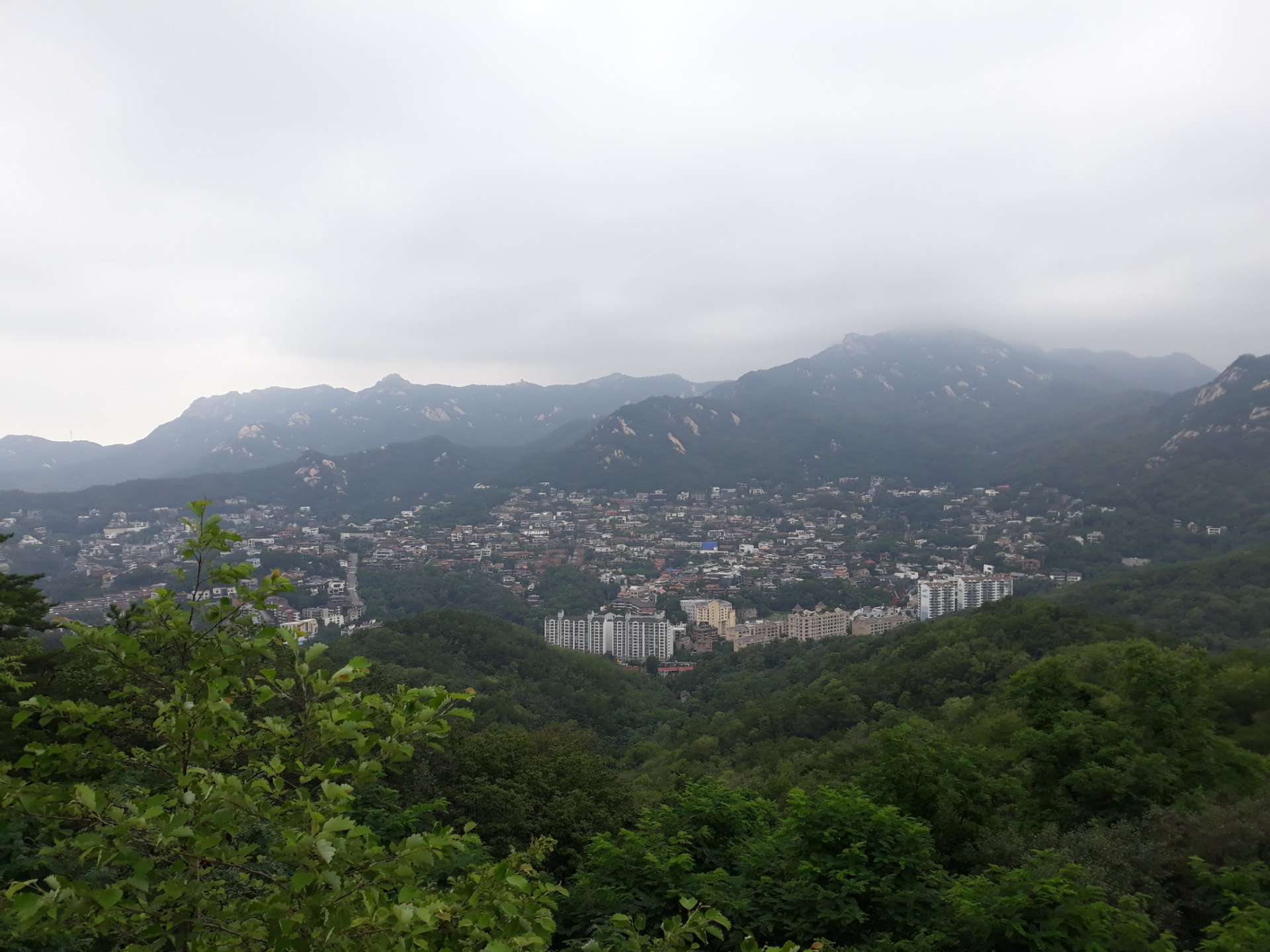
A Private Museum That Hosts Heads of State? Art and Design: The Korea Furniture Museum, Kansong Art Museum, Hanok, Samcheonggak
✔ A private museum that has hosted heads of state
Korea Furniture Museum (한국가구박물관): 121 Daesagwan-ro, Seongbuk-gu, ★4.5 (327 reviews), guided tours by reservation only (English and Korean, paid, booked on the official site). A private museum showing 2,500 pieces of Joseon wooden furniture across ten hanok; its way of presenting traditional furniture in a living setting is admired worldwide and has drawn visiting heads of state. Tours last an hour; no photography. It’s at the top of the Seongbuk-dong hill, 5 minutes from Samcheonggak.
Kansong Art Museum (간송미술관): 102-11 Seongbuk-ro, ★4.3 (198 reviews). Korea’s first private art museum, opened in 1938, holding national treasures including the Hunminjeongeum Haerye. Since its 2024 renovation it opens only for spring and autumn exhibitions, by reservation; check its official channels for dates. The Seongbuk Museum of Art (134 Seongbuk-ro) shows free contemporary exhibitions, often of the painters and poets who lived in Seongbuk-dong.
The six hanok buildings of Samcheonggak (1972), the restaurant-turned-temple spaces of Gilsangsa, and the hanok of Simujang and the Choi Sunu House: Seongbuk-dong is a place to see how hanok are used, and the history of conversion, restaurant to temple, villa to museum, home to teahouse, is the exhibition itself. Keep cameras away from private homes and the guarded ambassadors’ residences.
Start at Gilsangsa, 10 Minutes to the Villas! On the Map: The Main Spots of Seongbuk and Bukhansan With Their Google Ratings
✔ Start from Gilsangsa
The map centers on Gilsangsa. The Seongbuk-dong villas are 10 minutes on foot, the Bugak pavilion 10 minutes by taxi, Bukhansan Ui Station 40 minutes by subway and bus. Ratings as of 6 Sep 2026.
- Gilsangsa Temple — Google ★4.6 (3,193 reviews)
- Bukhansan National Park — Google ★4.6 (2,926 reviews)
- Seoul Hiking Tourism Center Bukhansan — Google ★4.8 (77 reviews)
- Bugak Pavilion — Google ★4.3 (11,582 reviews)
- Samcheonggak — Google ★4.2 (1,807 reviews)
- Korea Furniture Museum (reservation) — Google ★4.5 (327 reviews)
- Simujang — Google ★4.4 (480 reviews)
- Suyeon Sanbang (teahouse) — Google ★4.1 (812 reviews)
- Ssangdari Dwaeji Bulbaek — Google ★4.0 (1,402 reviews)
- Jeongneung Royal Tomb — Google ★4.5 (659 reviews)
- Dream Forest — Google ★4.5 (4,785 reviews)
- April 19th National Cemetery — Google ★4.6 (150 reviews)
- Hwagyesa (temple stay) — Google ★4.4 (878 reviews)
- Kansong Art Museum — Google ★4.3 (198 reviews)
FAQ
How do I get to Gilsangsa in Seongbuk-dong?
From Hansung Univ. Station (Line 4) Exit 6, village bus Seongbuk 02 takes about 10 minutes to its last stop at the temple; on foot it is 25 minutes uphill. Free, from sunrise to sunset. Sunday mornings are crowded with services, so weekday mornings are best.
Can a beginner climb Baegundae on Bukhansan?
It is an intermediate route: about 7 km and 4 hours round trip from Bukhansan Ui Station, with a final 200 m of rock with railings and cables. Hiking boots and poles can be borrowed free at the Seoul Hiking Tourism Center beside the station (closed Monday; book on Klook). Avoid summer thunderstorms and winter snow.
Can I visit the Korea Furniture Museum without a reservation?
No. It runs guided tours by reservation on its official site (English and Korean, paid), and photography is not allowed. It is 5 minutes on foot from Samcheonggak at the top of the Seongbuk-dong hill.
Is there public transport to the Bugak pavilion?
No bus. Take a taxi from Seongbuk-dong (in front of Samcheonggak), about 10 minutes and 5,000 won, or walk the ridge path from the stairs beside Samcheonggak in about an hour. The cafe is open until midnight; call a taxi by app for the way back.
Is there anything to do at night in Seongbuk?
Honestly, little. The choice is the night-view cafe at the Bugak pavilion or a Korean course dinner at Samcheonggak, and there are almost no bars. For a drink, go one stop on Line 4 to Daehangno (Hyehwa Station) or to the student district at Sungshin Women’s Univ. Station.
What is the difference between Jeongneung and Jeongneung in Gangnam?
The Jeongneung in Seongbuk (정릉) is the tomb of Queen Sindeok, consort of King Taejo, reached by bus from Gireum Station, and is separate from Seolleung and Jeongneung in Gangnam. 9 am-6 pm, closed Monday, 1,000 won, with a quiet pine-forest path and few tourists.
- Seoul Metropolitan Government: Seoul Hiking Tourism Centers (Bukhansan, Bugaksan, Gwanaksan)
- Korea National Park Service: Bukhansan National Park trails
- Gilsangsa Temple, official
- Korea Furniture Museum, official (reservations)
- Korea Heritage Service, Royal Palaces and Tombs Center: Jeongneung
- Seongbuk-gu Office: Seongbuk-dong heritage district and culture festival
Verified 6 Sep 2026 · Addresses, hours and ratings from Google Maps; trail and gear-rental information from Seoul city and the national park service; reservation rules from official sites. Re-check village bus numbers and exits on site.