日本語|繁體中文|English|Bahasa Melayu|Bahasa Indonesia|한국어

Appearance Decides Nothing! Vegetarian and Halal Food in Seoul—the Stock and Salted-Shrimp Traps, Temple Cuisine as an Option, and the One Sentence to Have Ready

Seoul vegetarian and halal dining guide card image

Korean food looks vegetable-heavy, but stocks are often anchovy or beef bone and kimchi usually contains salted shrimp. Here’s the thing: appearance decides nothing, so you have to ask. Seoulog covers temple cuisine built without animal ingredients, ordering in ordinary restaurants, the translation-app trick, and convenience stores and cooking as the practical answer.
Budget About 1.5x the Seafood Price! Noryangjin Fish Market—Buy Downstairs, Eat Upstairs, Negotiate, and Ask the Cooking Fee Before You Sit

Noryangjin fish market guide card image

At Seoul’s fish market you buy seafood at a ground-floor stall, carry it upstairs, and a restaurant cooks it in front of you. Here’s the thing: the cooking fee and cover are separate, so the total lands around 1.5x the seafood price. Seoulog walks the floor with you—how to buy, what to confirm upstairs, why weekday early evening wins, and how not to get caught out.

Bindaetteok for 5,000, Mayak Gimbap for 3,000, a Brass-Coin Lunchbox for 10,000 Won! Seoul’s Market Street-Food Tour—Gwangjang, Tongin and Gyeongdong, With the Cash and Timing Tips [Things Worth Doing in Korea #5]

Gwangjang opened in 1905 and draws about 65,000 people a day; Tongin sells 500-won brass coins to build a lunchbox; Gyeongdong hides a Starbucks in a dead cinema. Here’s the thing: the fun is in the details—prices, hours, how much cash to carry and when to go. Seoulog lines up all three markets.

The Same Americano Becomes Three Different Experiences! Seoul Coffee Is a Question of Neighborhood—Factory Seongsu, Alley Yeonnam, Hanok Ikseon

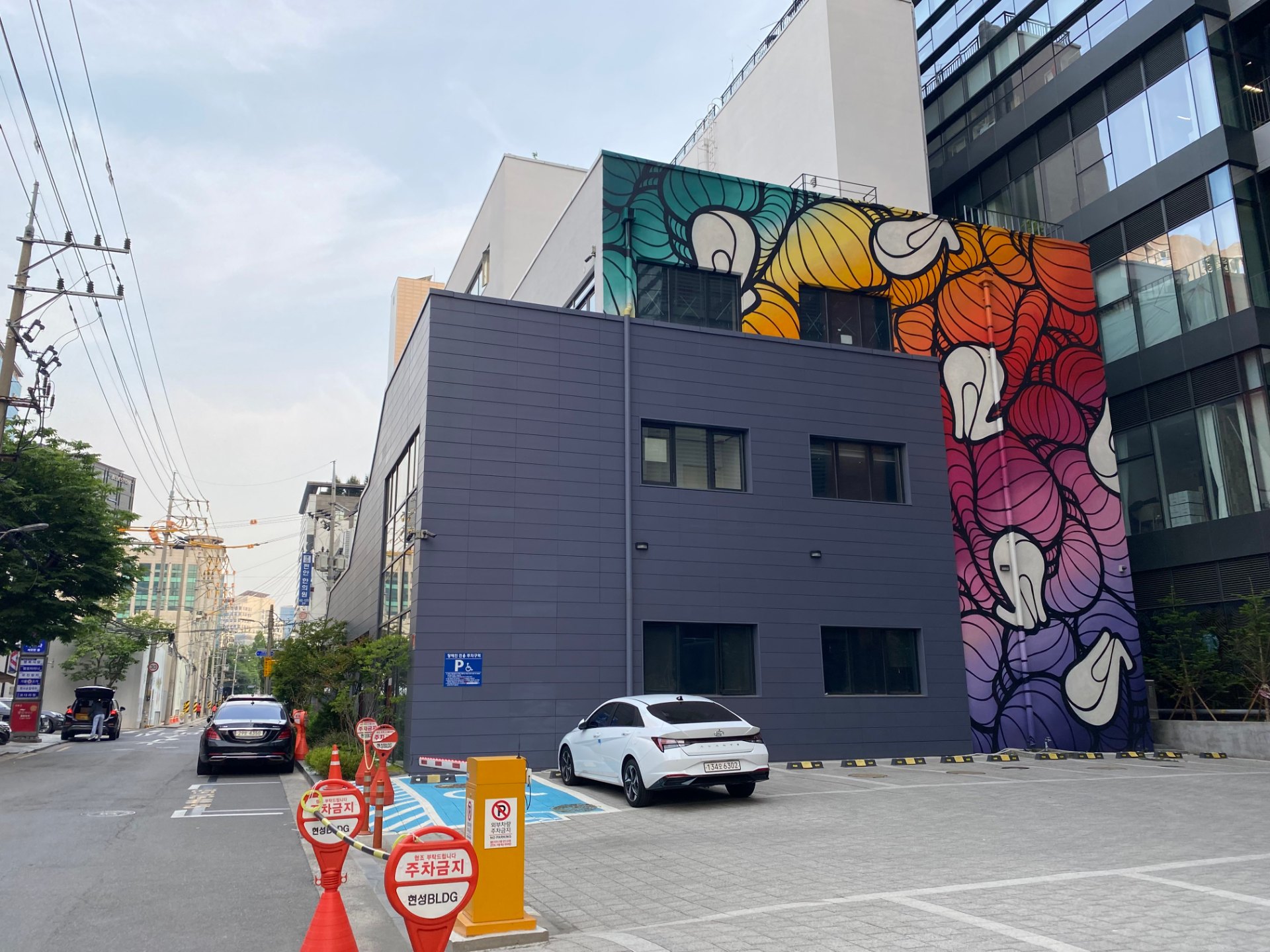
Graffiti art in Seongsu-dong

In Seoul you pick the neighborhood first and the cafe second. Here’s the thing: a warehouse district turned into cafes, alleys of one-house rooms and coffee under hanok tiles all serve the same ₩5–6,000 americano—and it tastes like three different cities. Seoulog maps the districts, the unspoken rules and why October is the season.

A ₩5,000 Convenience-Store Ramyeon Buys the Best Riverside Seat in Seoul! The Han River Script—Ramyeon, Chicken and a Sunset

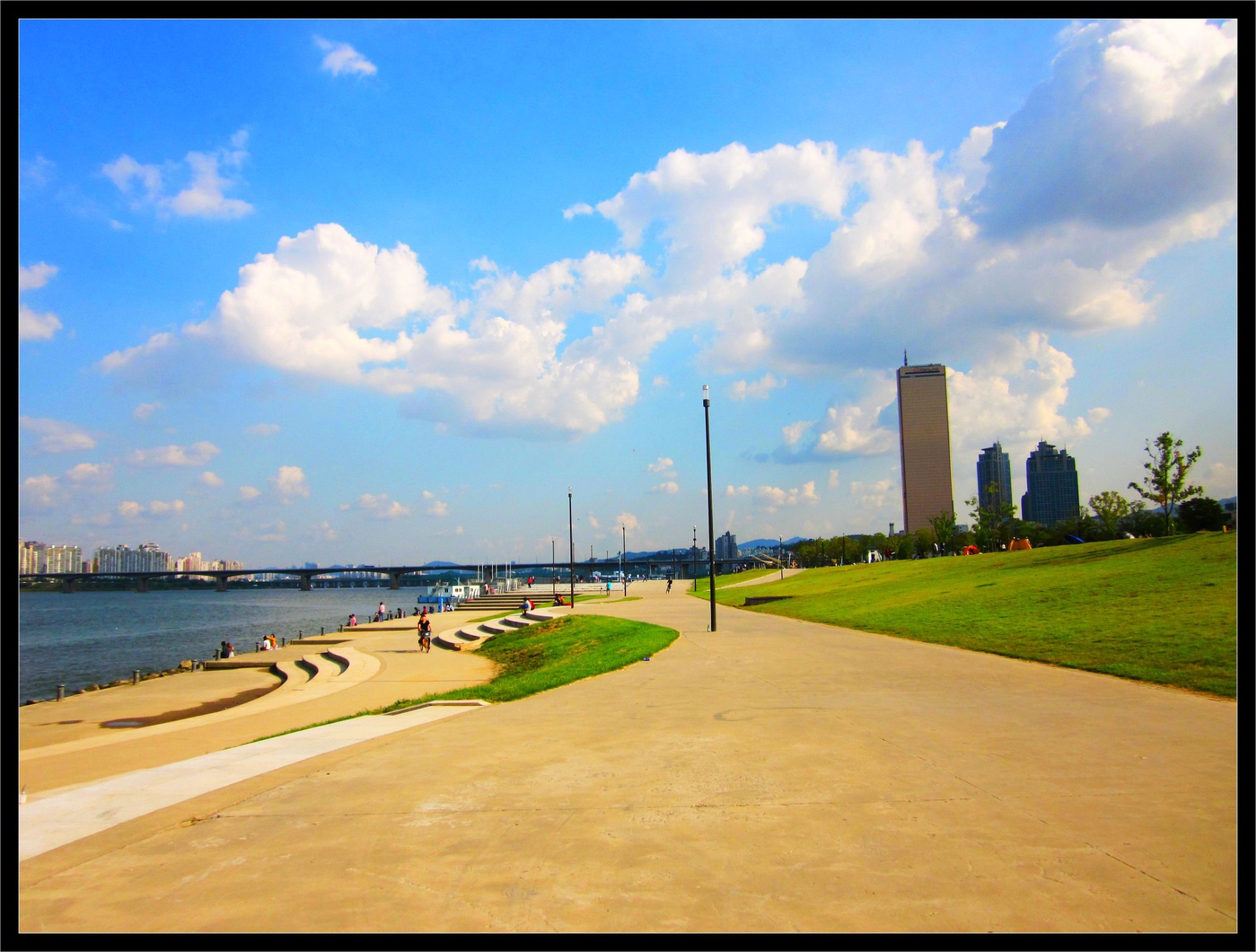
October Welcome Backstrike City - Panorama Tower Seoul Korea - Master Asia Photography 2012 Truth the Colors o

No ticket, no reservation—just grass, water and a sunset. Here’s the thing: the Han only works if you know the script. Ramyeon machines, chicken-delivery zones, ₩4,000 mats, public bikes, and the one rule that matters: arrive 90 minutes before sunset. Seoulog wrote it down.

15,000 KRW Covers Three Signature Dishes! The Gwangjang Market Method—Communal Stools, Point-to-Order and Cash in Seoul’s Oldest Market

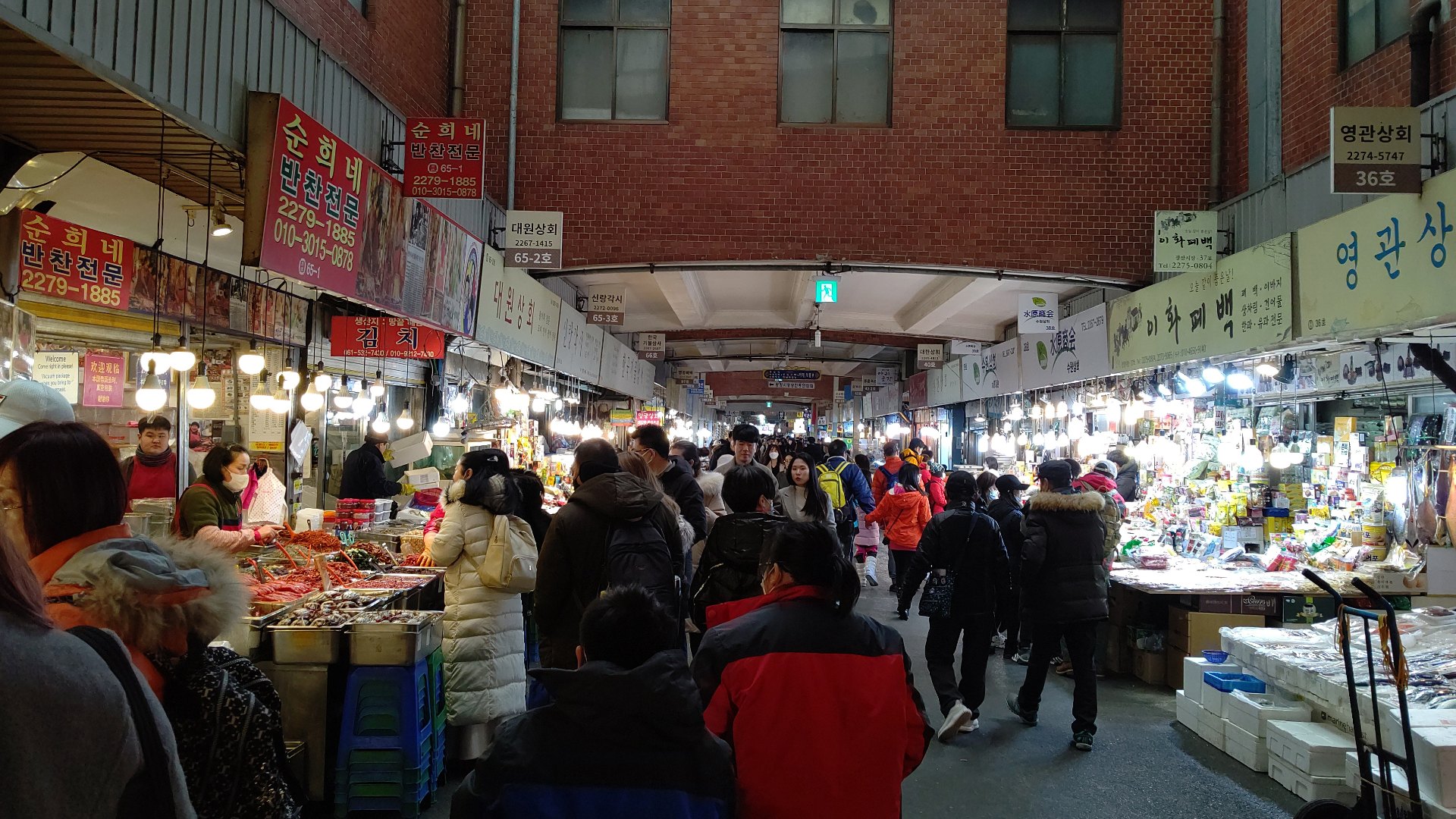
Gwangjang Market, Seoul 2020-02-01

Korea’s oldest market opened in 1905, and its canon is fixed: bindaetteok, mayak gimbap, yukhoe. Here’s the thing—slide onto a free stool, point, eat, yield the seat, and you’re in rhythm. Crowd waves and the Chuseok trap (the whole market rests 24–27 Sep) included. Field notes only.

Fried Chicken to Your Hotel Room on Your Home Credit Card! Baemin Took Apple Pay With Foreign Cards on 2 June 2026—the English-Interface Order Flow and the One Hurdle Left

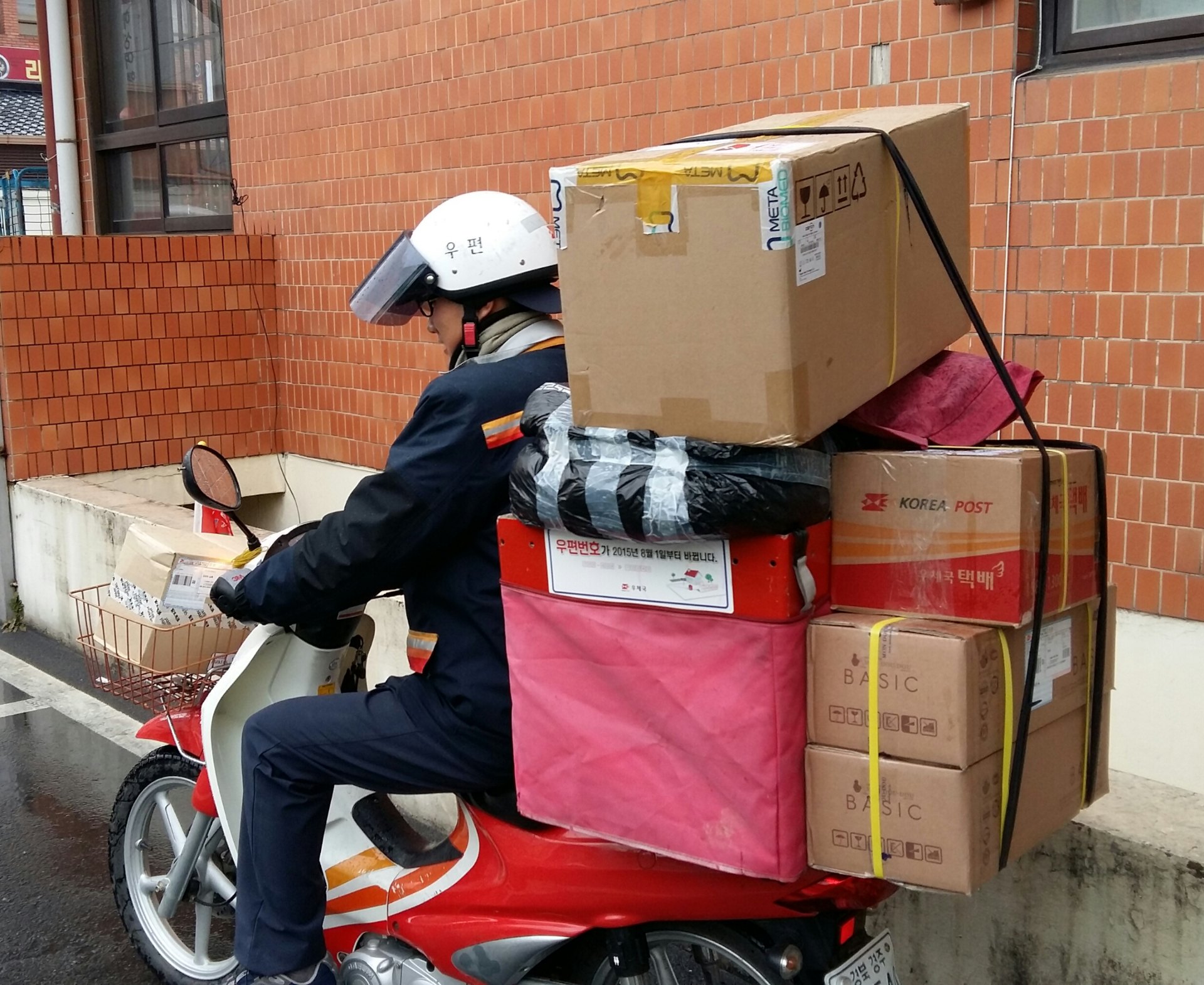
Koreapost delivery motorcycle package delivery

The world’s delivery country finally let travelers in. Here’s the thing: Baemin now runs in English, and since 2 June Apple Pay clears Visa, Mastercard, JCB and Amex. Enter the hotel in Korean, set pickup to the lobby, pay ₩2,000–4,000 in fees and tip nobody—plus the phone-verification wall and the way around it (Shuttle). Walked in screen order.

They’re Selling Seats, Not Drinks! Korean Cafe Culture—the Unwritten Rules: Buzzer Ordering, One Drink per Person, and the ₩1,500 vs. ₩5,000 Americano

Korean Cafe Culture: The Unwritten Rules Nobody Tells You

Sitting for hours is assumed, outlets are free, and time limits barely exist. Here’s the thing: one drink per person is the unwritten rule and you bus your own tray—the line between what’s provided and what’s your job sits in a different place. The ordering flow, seven rules, the two-tier price system, no-kids zones and the 11 a.m. opening problem.

1+1 Means Grab the Second One Yourself! Korean Convenience Stores, GS25 and CU, Like a Local

Korean Convenience Stores: How to Use GS25 and CU Like a Local

A Korean convenience store isn’t a simplified version of the ones you know—it runs on different rules. Rice balls are an afterthought, lunchboxes are excellent, there’s no restroom but there’s a noodle machine. Here’s the thing: every day someone on a 1+1 deal pays double. Learn what differs and it’s faster and cheaper.

It’s Structure, Not Etiquette! Korean Restaurant Etiquette—10 First-Timer Surprises: Free Banchan, Self-Serve Water, the Call Button, and Never Tipping

Korean Restaurant Etiquette: 10 First-Timer Surprises

Nobody brings water because the dispenser is in the corner; nobody checks on your table because there’s a call button. Here’s the thing: almost every moment that reads as inattentive service is simply a different division of labour. Refillable banchan, two-portion minimums, paying at the counter, honbap, and the one phrase that earns real smiles.

Privacy PolicyDisclaimerAboutContact