- Public transport in the city is dense enough that a car slows you down.
- For coastlines and mountains, a car changes what is reachable.
- An international driving permit must be obtained at home before you travel.

Who this is for
- Anyone wondering whether to rent a car for central Seoul
- People planning to reach the coast or the mountains
- Anyone who wants to know before they fly whether to get an international permit
Should you rent a car in Seoul? If you are staying in the city, no.
The metro and buses are dense, parking is expensive, and traffic is real. A car often makes journeys slower, not faster.
“So when does a car actually help?” Here’s the thing: outside the city it is a different question. Along the coast, in the mountains, and anywhere public transport thins out, a car decides what you can reach. From the licence to the parking reality—let’s get into it.
Get the Permit Before You Fly! The Licence
✔ You cannot get one after arriving
To drive on a foreign licence you need an international driving permit, obtained in your own country before departure. You cannot get one after arriving.
It is only valid alongside your home licence, so carry both, plus your passport.
Some countries have separate reciprocal arrangements that work differently. Check your own before you travel.
Rental companies also set conditions on licence type, age, and years held. Confirm when booking.
| Destination | Car needed? |
|---|---|
| Central Seoul | No — actively inconvenient |
| Nearby cities | Trains are enough |
| Coastal routes | A car helps |
| Mountain areas | Often necessary |
| Islands | Combined with ferries |
| Winter mountain roads | Avoid without experience |
✔ Here’s the question that comes next. “Nami Island Is 4 Hours Round Trip Plus 3 on the Island” picks up right where this leaves off.
Check the Excess First! Renting in Practice
✔ Branches at the airport and major stations
You can book online, with branches at the airport and major stations.
Check the insurance carefully—the excess and what is actually covered. Skipping this is what turns a small incident into a large bill.
Photograph existing damage at pickup. It prevents arguments on return.
Confirm the fuel policy too. Full-to-full and other arrangements settle differently.
Korea Drives on the Right! On the Road
✔ The first half hour deserves particular care
Korea drives on the right. Coming from a left-driving country, the first half hour deserves particular care.
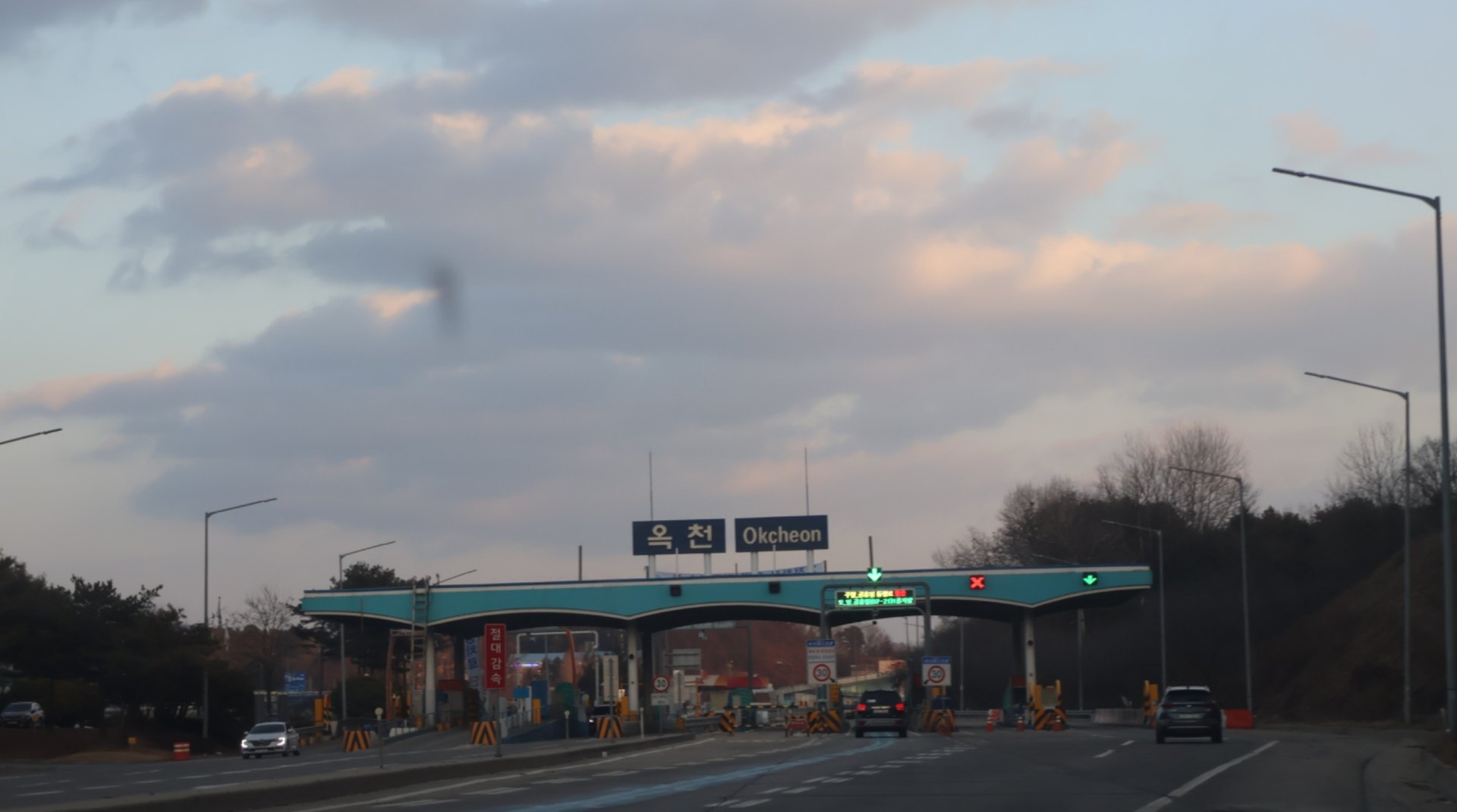
Expressways are tolled. Most rentals carry an electronic tag and settle at return.
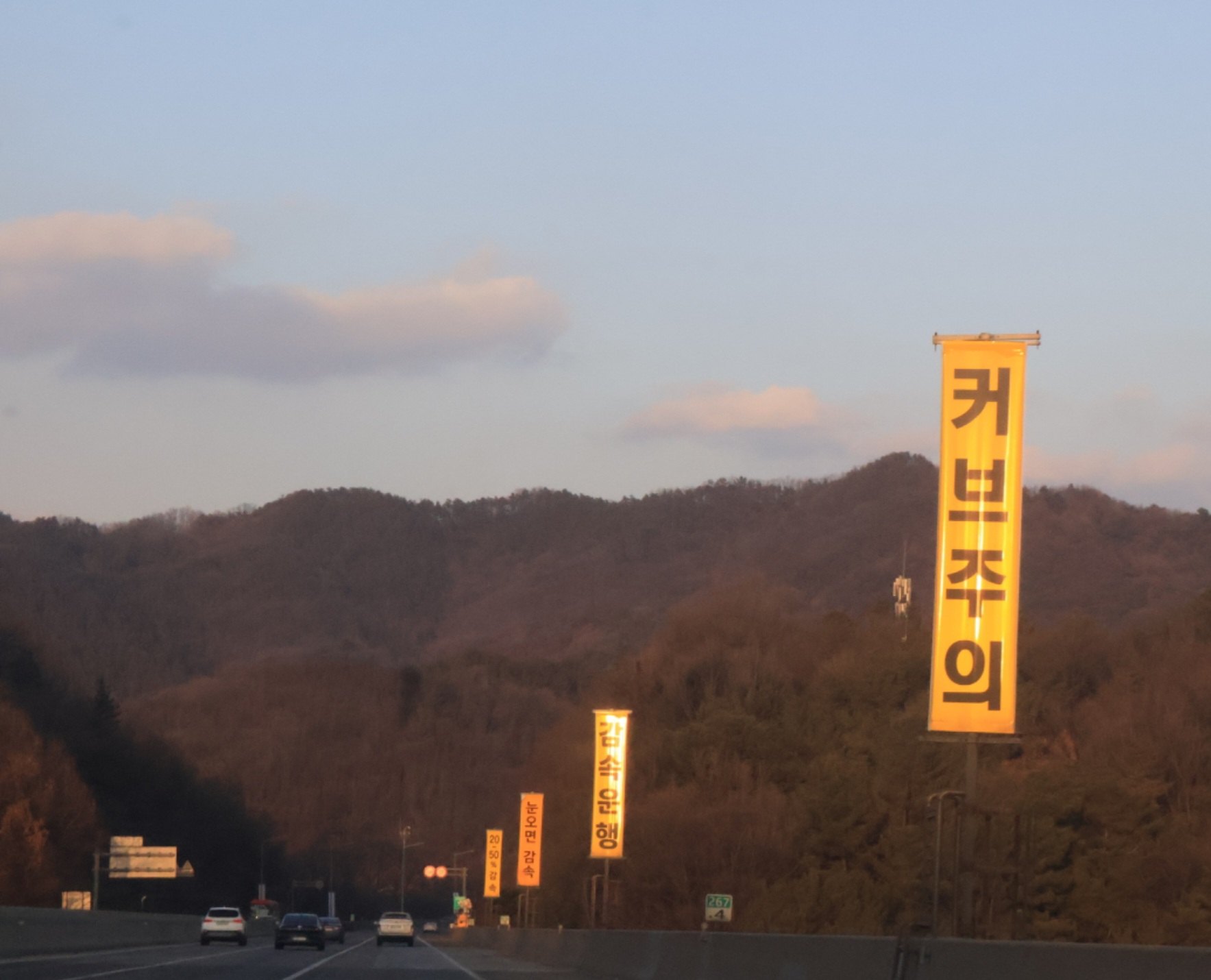
Speed enforcement is common and signposted in advance. Keep to the limits.
Navigation systems default to Korean. Some switch to English, but pairing a phone map app is more reliable. Note that some map apps have limited routing in Korea, so install one that works locally before you arrive.
No On-Street Parking! Parking and the City
✔ Urban parking can be expensive
Urban parking is paid and, in places, expensive, mostly charged by time.
On-street parking is enforced. Avoid it even briefly.
Car parks at popular sights fill on weekends. Arrive early or take public transport instead.
On the day you return to the city, check whether your accommodation has parking. Many do not.
The sensible pattern is public transport in the city, a car outside it—sometimes for just one day.
FAQ
Where do I get an international permit?
In your own country before departure. It is not issued in Korea.
Can I drive on my home licence alone?
Generally no — you need both it and the international permit.
How are tolls paid?
Most rentals have an electronic tag, settled when you return the car.
Is navigation available in English?
Depends on the vehicle. A phone map app is more reliable.
Is renting in the city worth it?
For city-only trips, public transport is faster and cheaper.
Information as of 2026-09-25 (official listings and Google Maps as shown at publication). Updated when things change.