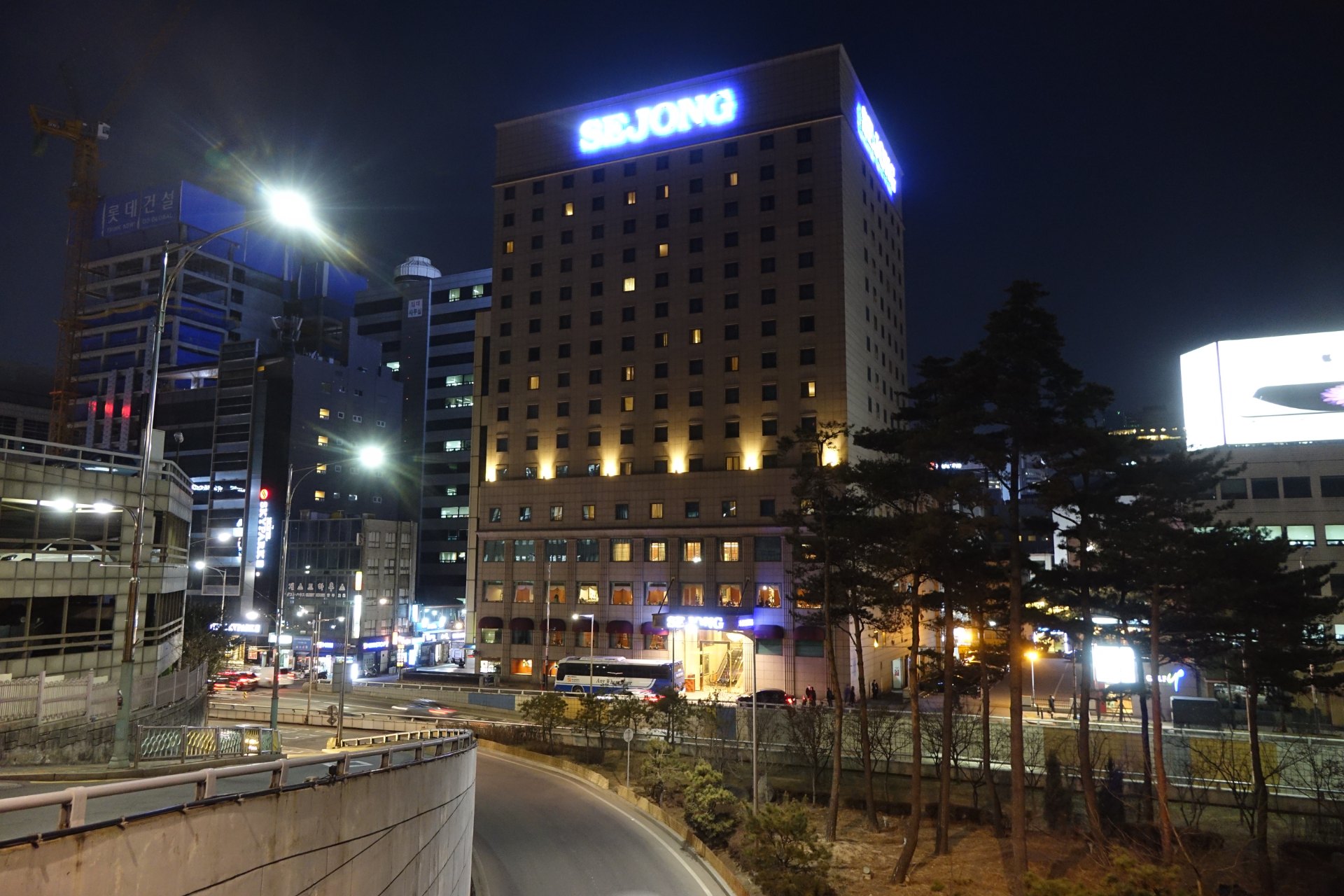
- The gates take T-money (the rechargeable transit card) or a tap-enabled credit card directly — no ticket lines.
- Two apps: Naver Map or Kakao Map (both in English) for routes, transfers, even exit numbers.
- Leave the priority seats empty even when free — the safe-side custom.
Who this is for
- Anyone about to freeze at the gate on day one, unsure which card to tap
- People who’ve been told “Exit 6” and have no idea why that matters
- Anyone who wants to know the options after the last train before they need them
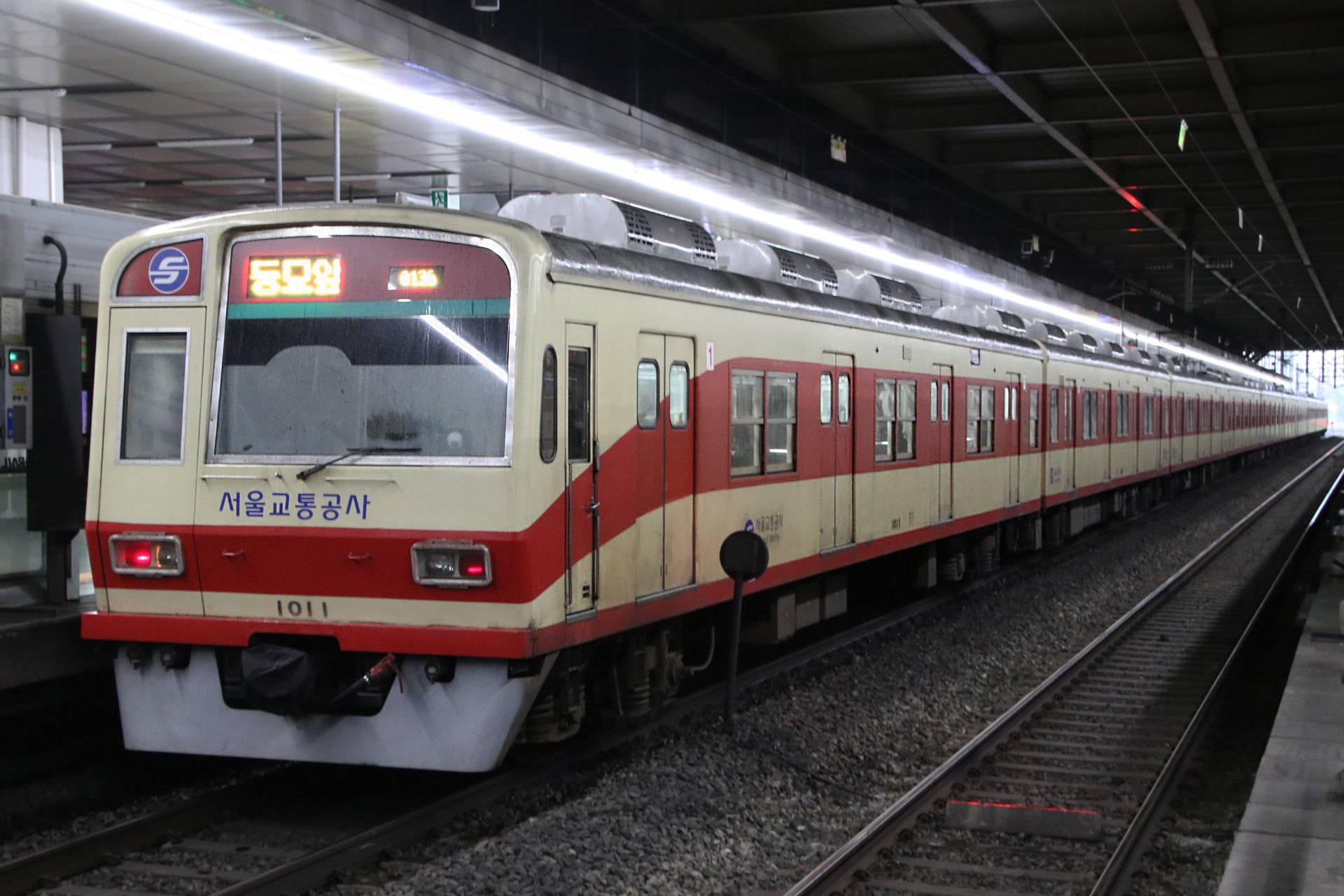
Nearly every article on this blog rests on a single premise: the Seoul subway—one of the largest networks on earth, cheap, clean, and remarkably kind to foreigners. Today the premise gets its own article. Here’s the thing: T-money plus transfer discounts solves 90% of Seoul transit.
Three headline facts. You enter with a T-money card or any tap-to-pay credit card. Signage runs in four languages as standard. And the base fare is ₩1,550—less than half of Tokyo or London, for a network of equal or greater reach.
“Where do I buy a ticket? How do transfers work? When’s the last train?” Boarding basics, transfer craft, and the etiquette of the hours after the last train—this is the subway textbook. Let’s get into it.
Contents
1. Boarding: tap and walk
2. Riding well: three crafts
3. The etiquette, in three lines
4. After the last train: the city’s night grammar
5. Frequently asked questions
1. No Ticket Lines! Boarding Is Tap and Walk
✔ The gate takes a tap, nothing more
The gates take T-money (the rechargeable transit card) or a tap-enabled credit card directly—no ticket lines. iPhone users can go fully cardless via Apple Pay + T-money.
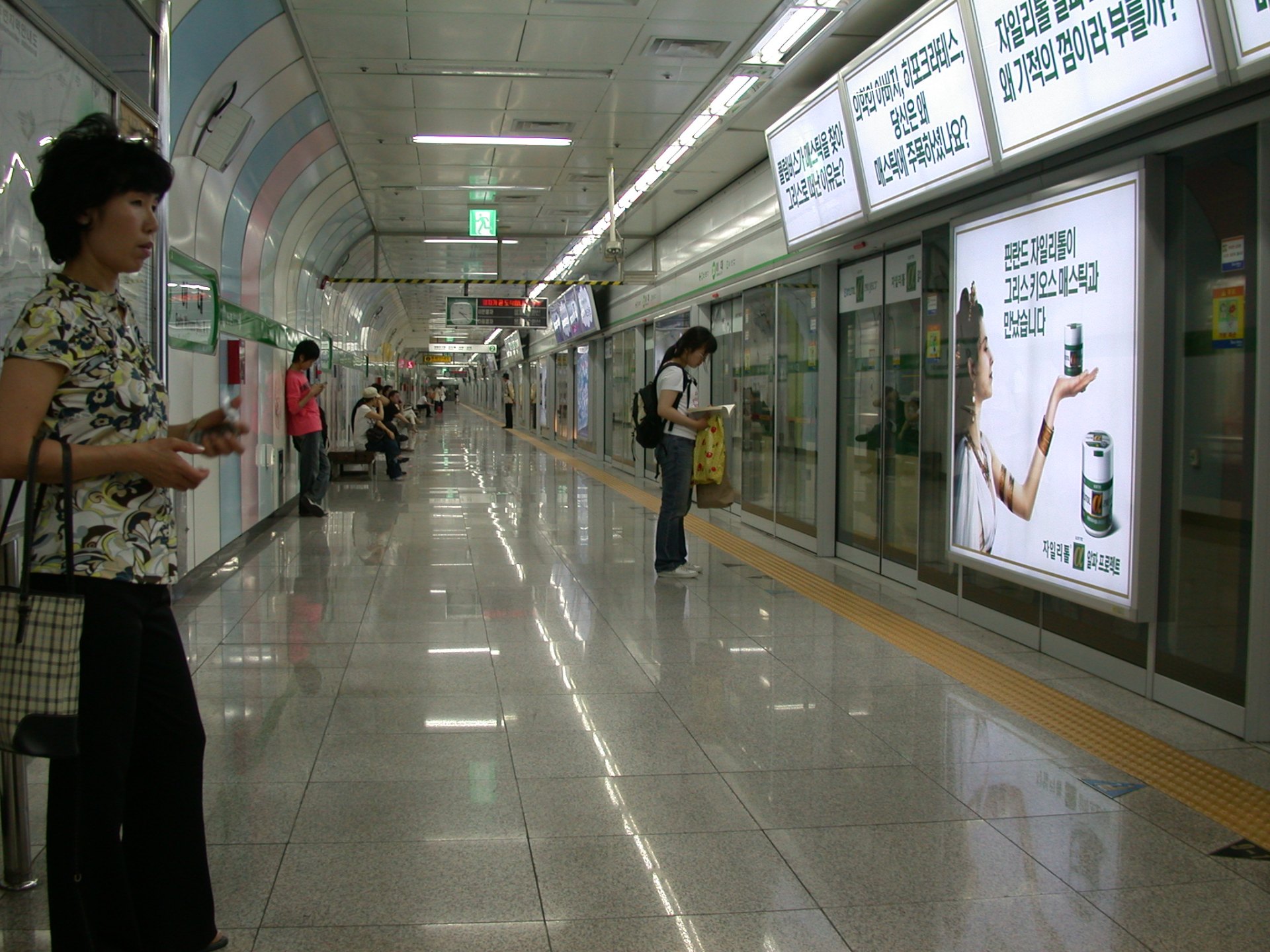
Fares start at ₩1,550 by card, with small distance increments. Three or four rides a day totals ₩5–7,000—among the cheapest big-city mobility anywhere, and you’ll feel it by day two.
| Ticket | Best for | Price |
|---|---|---|
| T-money card | Almost everyone | from 1,550 KRW + transfer discounts |
| Climate Card (short-term pass) | Heavy all-day riders | 1–7 day passes |
| Single-journey ticket | No-card travelers | +500 KRW refundable deposit |
| AREX express / all-stop | Big luggage / budget | Express has reserved seats |
✔ This isn’t the only answer. “Kakao T Taxi in Seoul” is the other option worth weighing.
2. Exit Numbers Are the Culture? Riding Well Takes Three Crafts
✔ Apps, exit numbers, express trains—that’s the whole craft
Two apps: Naver Map or Kakao Map (both in English) for routes, transfers, even exit numbers. Exit numbers are the culture: Seoul narrates all meetings and directions as “Station X, Exit N,” so noting your destination’s exit number deletes surface-level confusion. And express trains exist—Line 9 and others run express services that transform longer runs toward Gangnam or the airport.
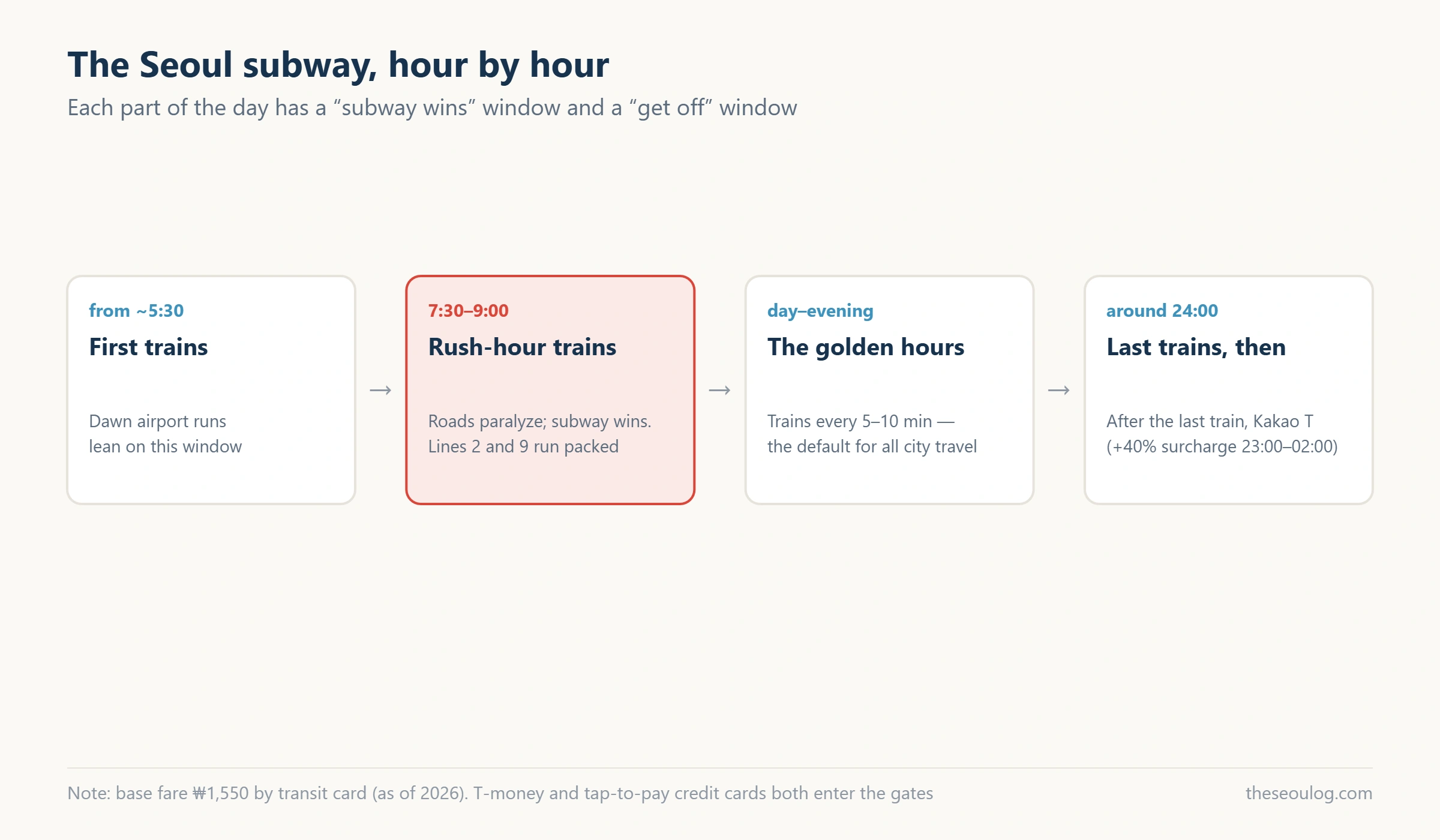
Rush hour (7:30–9:00) on Lines 2 and 9 reaches Tokyo-grade density. Shift luggage days out of that window.
3. Leave the Priority Seats Empty! The Etiquette, in Three Lines
✔ That’s the entire syllabus
Leave the priority seats empty even when free—the safe-side custom. Quiet phone calls are normal (less strict than Japan). Stand right, walk left on escalators. Do those three and you’ll never stand out.
Nearly every major station has lockers payable by T-money or card—the checked-out-but-flight-is-later hours problem, solved underground.
4. Last Trains Run Around Midnight! After That, the City’s Night Grammar
✔ Decide in advance: last train, or sunrise?
Last trains run around midnight, direction and line dependent (weekends slightly earlier). Miss it and Kakao T takes over—inside the 23:00–02:00 +40% surcharge window. As our night-view and jjimjilbang guides keep saying, decide in advance whether the night ends at the last train or at sunrise. That’s how Seoul designs its evenings.
One final, quietly great feature: free, clean restrooms inside and outside the gates at stations across the network. Knowing that makes every itinerary a little easier to draw. One card, one exit number—now go connect the city.
In short
• Tap in with T-money or any tap-enabled credit card; base fare ₩1,550
• Routes via Naver/Kakao Map; navigate the city by station + exit number
• Avoid only rush-hour Lines 2 and 9; Line 9 express saves real time
• Etiquette: skip priority seats, quiet calls, stand right
• Last trains near midnight; after that, Kakao T — mind the surcharge
Frequently asked questions
Can I buy single-journey tickets?
Yes, from machines — with a deposit-refund dance that makes them slower and dearer. Cards win decisively.
Are there child fares?
Yes, via child-registered T-money cards and age tiers at purchase; under-6s ride free.
How is the climate on board?
Heating and cooling both run strong — the October layering rule applies underground too.
Are there night buses?
The N-series “owl buses” cover major corridors, but frequencies are thin; visitors do better with Kakao T.
What about big-luggage days?
Dodge rush hour, check elevator-equipped exits on Naver Map, and use station lockers to move light.
Information current as of 17 August 2026. Fares and timetables change. Source: Seoul Metro published information. Photos: Wikimedia Commons.
This article is based on the official information below. Rules can change, so please check the original before you travel.
· KORAIL (Korea Railroad) official site